McDowell sheriff urges vigilance on human trafficking awareness
Local law enforcement marked National Human Trafficking Awareness Day and urged residents to recognize and report signs of exploitation.
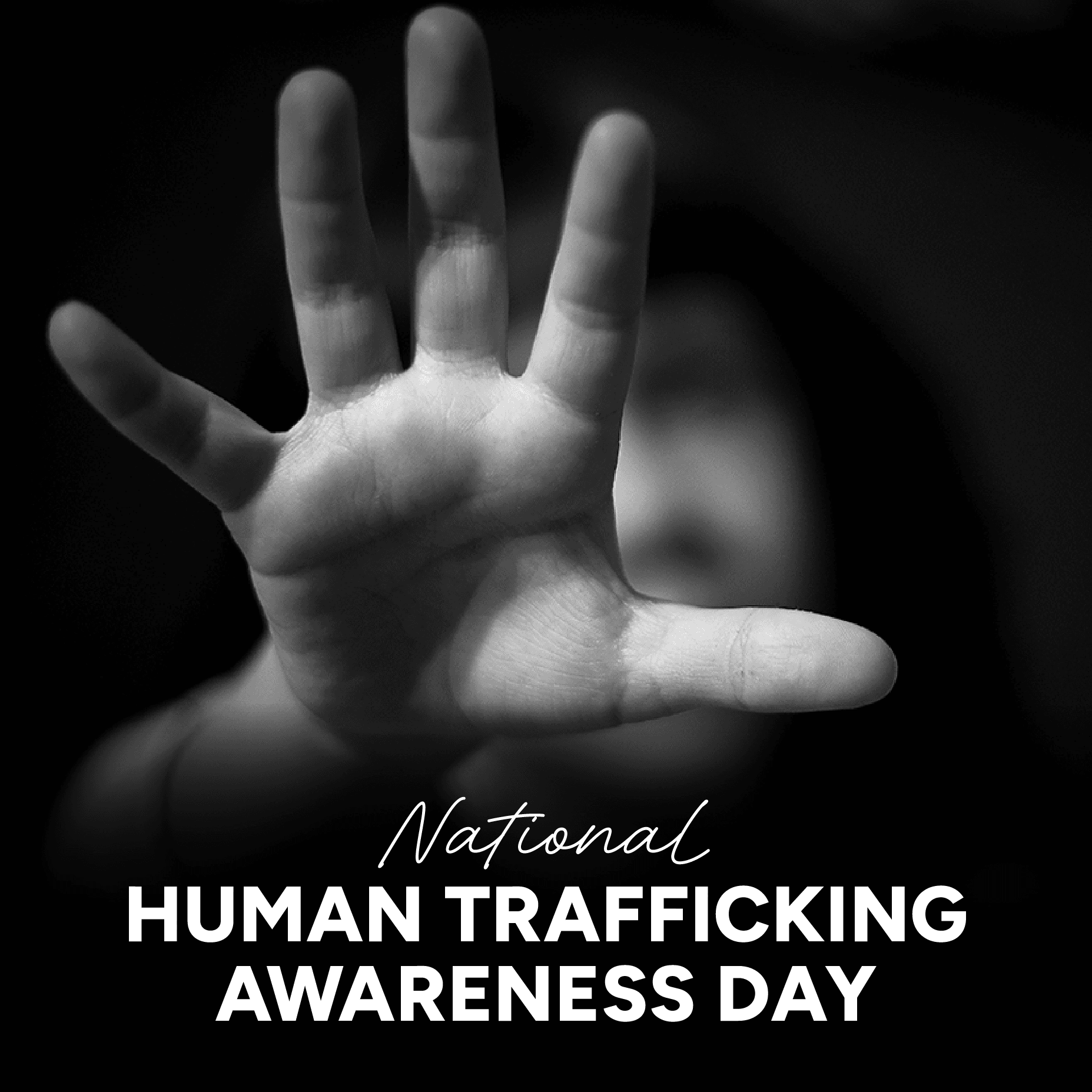
Law enforcement officials in McDowell County used National Human Trafficking Awareness Day to press home a message of vigilance, community reporting, and simple interventions that neighbors can take to help potential victims. Sheriff James Muncy warned that trafficking affects both children and adults, outlined common tactics used by traffickers and described how exploitation often follows a lifecycle of recruitment, control and forced labor or sexual exploitation.
Statewide data underscore the plea. The National Human Trafficking Hotline recorded 38 reported cases in West Virginia in 2024, involving 57 victims, a tally that law enforcement officials cited to emphasize that trafficking is a present local concern rather than a distant problem.
Raleigh County Deputy Matthew Dunlap also emphasized that trafficking happens across the United States and within West Virginia, reinforcing the view that rural communities must remain alert. In McDowell, Sheriff Muncy urged residents to look for signs of someone in distress and to report suspicious activity. He recommended straightforward, practical actions for bystanders such as calling 911 or signaling to a potential victim to seek help, and reiterated, "if you see something, say something."
The focus of the outreach was awareness and empowerment. Officials framed reporting as a community responsibility that can interrupt exploitation and connect victims with help. By stressing clear indicators of distress and low-barrier responses, law enforcement sought to reduce hesitation that neighbors might feel about getting involved.

For McDowell County residents, the message has tangible implications. Rural counties often rely on local knowledge and relationships; neighbors, school staff, health providers and service workers are frequently the first to notice changes in behavior, signs of isolation, or indicators of coercion. Officials said those on the ground can make immediate, meaningful differences by notifying authorities and providing timely information.
The emphasis on simple interventions also reflects resource realities: swift reports can guide law enforcement responses and referrals to services without requiring residents to act as investigators. Training and awareness campaigns aim to sharpen community recognition of grooming, control tactics and exploitation settings so that reports are informed and actionable.
The takeaway? Stay observant, trust your instincts and report concerns to emergency services. Our two cents? If something feels off, make the call — it could be the first step toward freeing someone from exploitation and bringing the situation to light.
Sources:
Know something we missed? Have a correction or additional information?
Submit a Tip