Tug Fork WMA remains vital outdoor resource for McDowell County
Tug Fork Wildlife Management Area provides hunting, hiking and wildlife viewing for McDowell residents; visitors must follow DNR rules and prepare for steep, remote terrain.
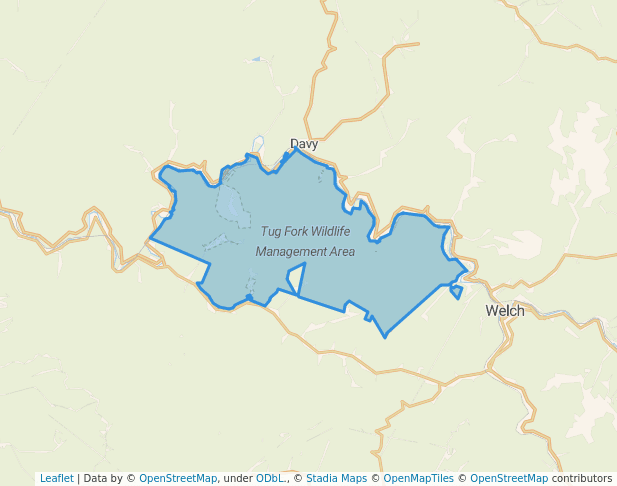
Tug Fork Wildlife Management Area is a 2,165-acre DNR-managed tract about 10 miles northwest of Welch that remains an important, everyday asset for McDowell County residents. The steep, forested hills above the Tug Fork offer deer, turkey and small-game habitat, scenic ridge-line vistas and a network of jeep roads and hollows that local hunters, hikers and wildlife viewers regularly use.
Local hunters rely on the WMA for seasonal deer and turkey opportunities, including special seasons such as the Mountaineer Heritage season. The area’s mixed hardwood coves also support diverse birdlife and white-tailed deer, making it a destination for people who count on the land for subsistence hunting as well as weekend recreation. For many in the county, Tug Fork provides low-cost access to the outdoors and a practical way to stay active and connected to the landscape.
Primary access is off U.S. Route 52 near Premier, with several tracks and old jeep roads offering foot entry points into the interior. Those routes are useful for reaching overlooks and hollows, but the terrain is rugged and remote. Cell service is limited in places, and winter weather can transform steep approaches into unsafe conditions for vehicles and foot travel. Parking areas are limited; visitors should plan for rough roads and carry a map or GPS coordinates rather than relying on mobile reception.
Management and enforcement fall to the West Virginia Division of Natural Resources. Hunters and other visitors must carry proper licenses, obey blaze-orange requirements during seasons that demand it, and follow WVDNR rules for safety and habitat protection. Because the WMA supports both subsistence use and public recreation, respectful sharing of space matters: be mindful of active hunting seasons and leave game and land undisturbed.
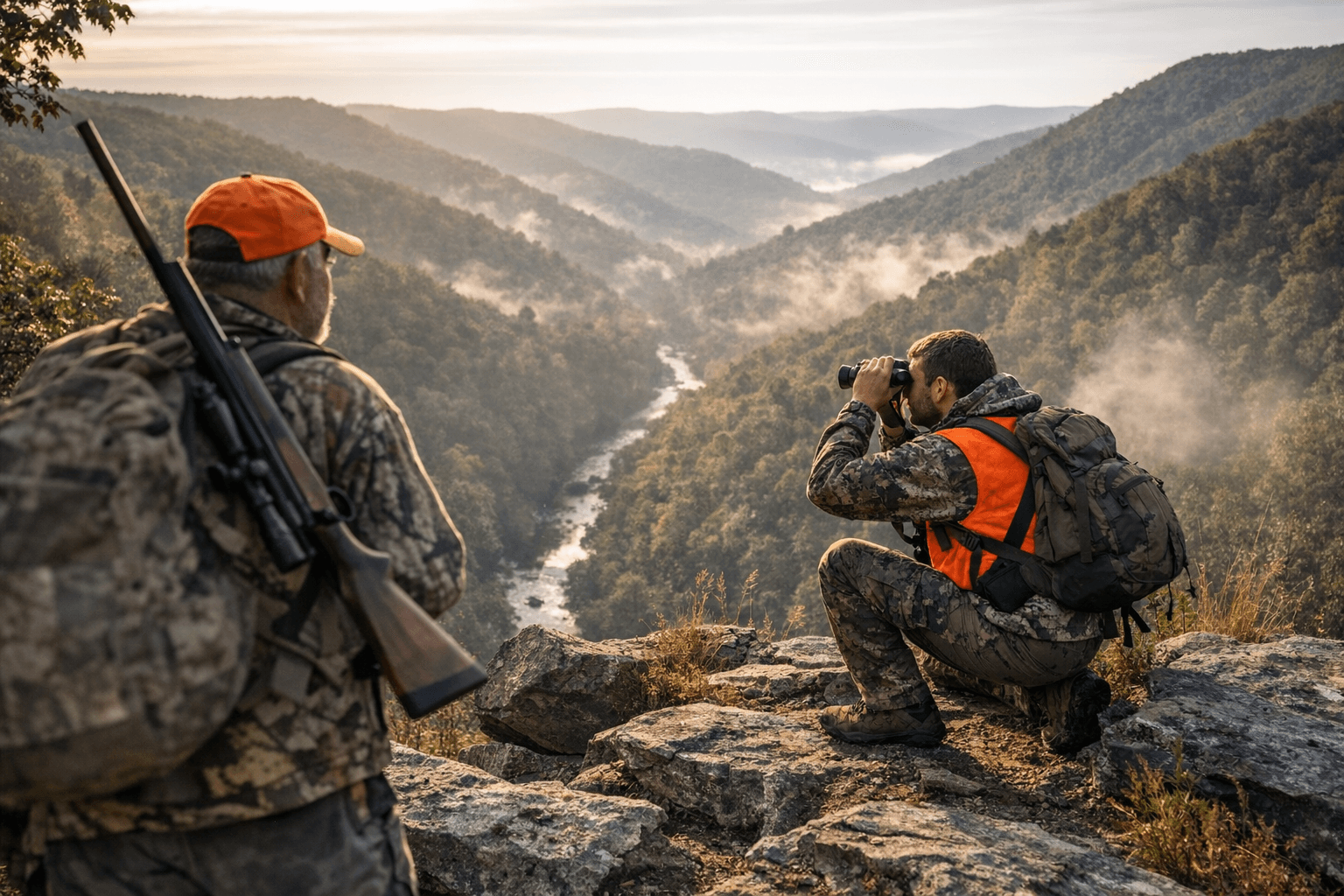
For McDowell County, the WMA is more than public land on a map. It sustains rural traditions, brings modest tourism dollars, and provides accessible outdoor health options where municipal parks are scarce. That mix of ecological value and community utility makes sound management and clear access information essential for local residents.
Our two cents? Before you head up into the hollers, check current season rules with the WV DNR, carry proper licenses, wear blaze-orange when required, tell someone your route, and pack for limited cell service and winter conditions so your trip stays safe and enjoyable.
Sources:
Know something we missed? Have a correction or additional information?
Submit a Tip