McDowell’s coal heritage draws tourists and highlights health equity gaps
Historic mines, memorials, and Homer Hickam sites attract visitors while underscoring long-term health and economic challenges for local residents.
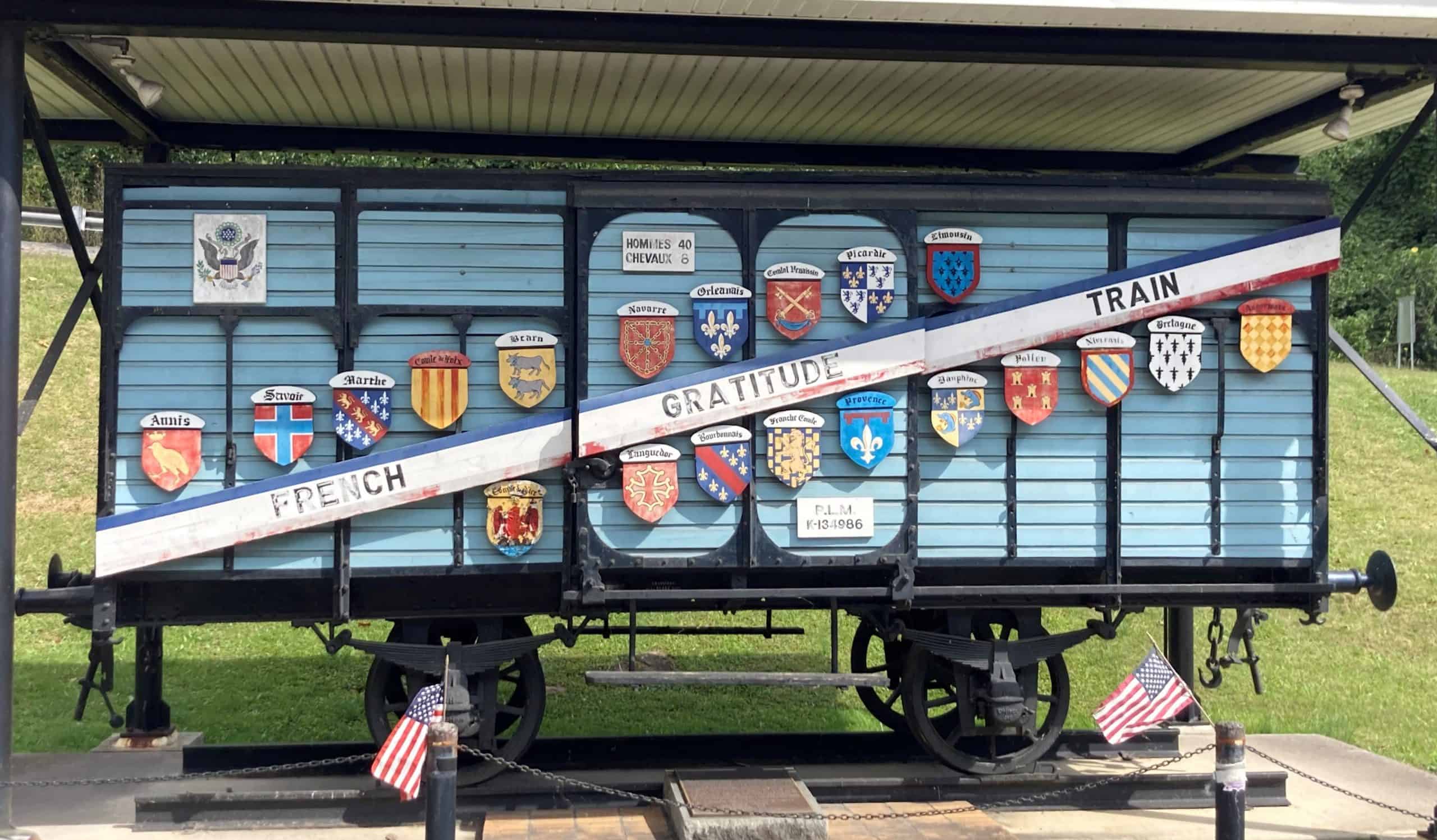
McDowell County’s coal-mining landscape is a living archive that now anchors heritage tourism even as it reminds residents of persistent health and social inequities. From memorials to miners and marked disaster sites to riverfront heritage areas and Patriot Park, the county’s historic places offer both visitors and locals ways to connect with the region’s labor and immigration history.
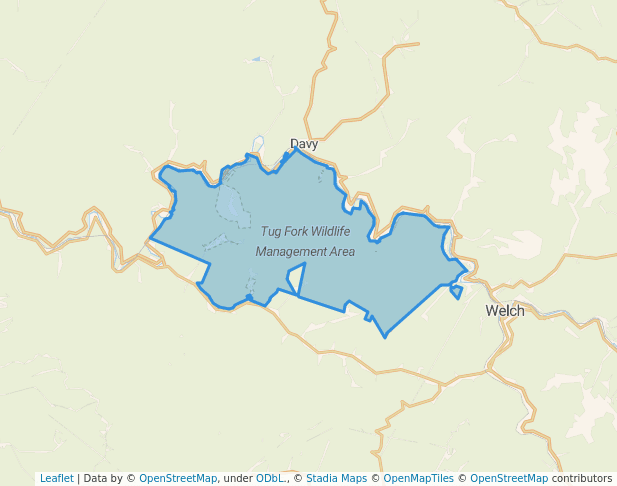
Key sites span Welch, Gary, Kimball and neighboring communities. Visitors can follow markers tied to the county’s mining boom, stop at memorials for the Bartley-area and Kimball mine disasters, and visit locations associated with Homer Hickam, author of October Sky. These attractions support walking and driving tours and provide primary material for researchers and school groups exploring work, migration and community resilience in the coalfields. For a consolidated list of locations and routes, readers can consult ExploreMcDowell.com/history.
The county’s tourism potential carries real community stakes. Heritage trails and memorial programming can generate visitor spending for small businesses, encourage preservation of public spaces along the riverfront, and center multigenerational stories often missing from mainstream narratives. At the same time, the same mining legacy that draws interest has left public health and economic aftershocks: chronic respiratory illness linked to coal work, environmental degradation of waterways and soils, and economic dislocation that shapes access to care and social supports.
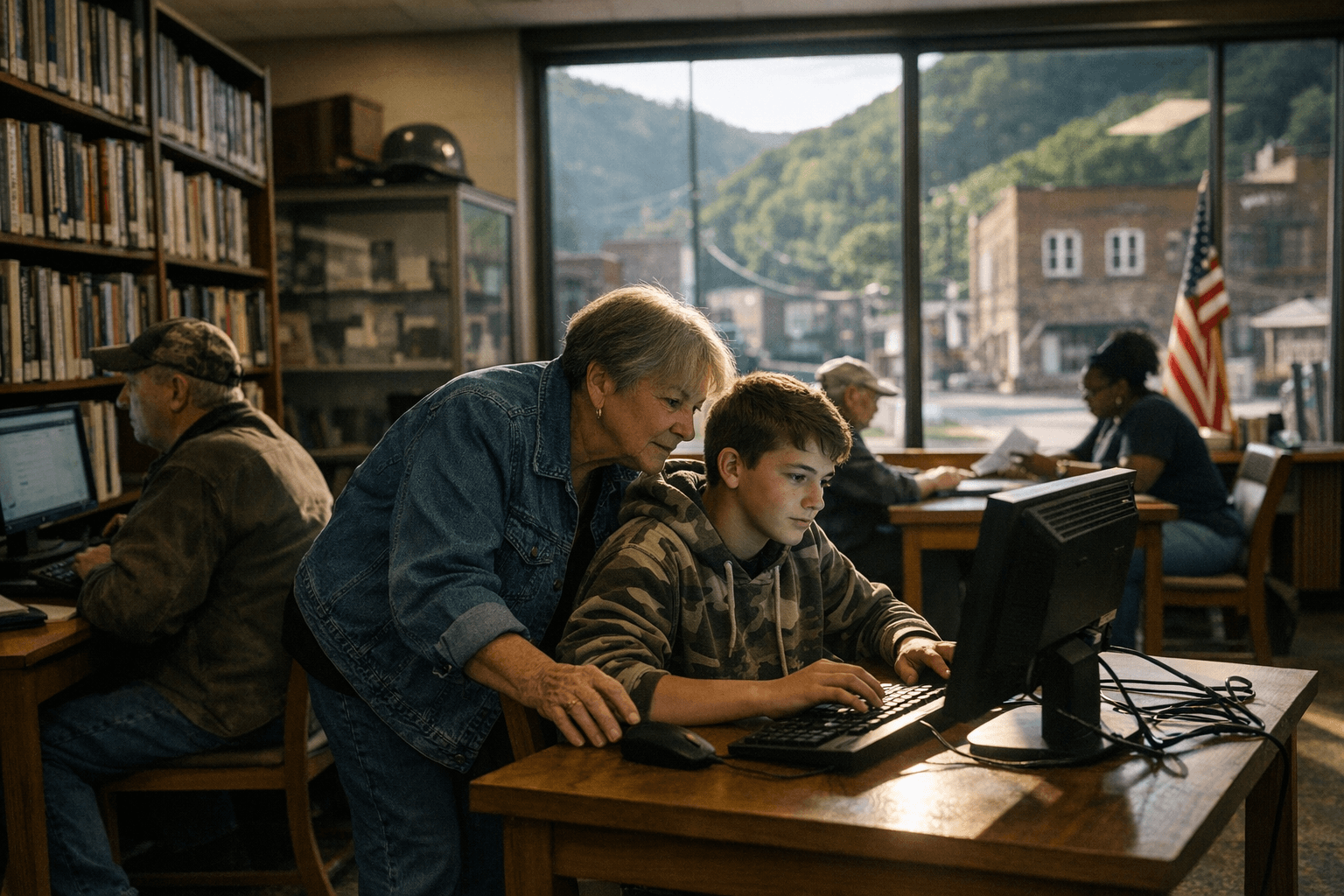
Public health implications extend beyond individual disease. Families bereaved by past mine disasters, aging former miners with chronic conditions, and residents living with limited transportation or broadband all face barriers to prevention, screening and treatment. Strengthening partnerships between local health providers, county leaders and heritage organizations can turn tourism into an opportunity for health outreach—mobile screening events, informational kiosks on occupational risks, and coordinated referrals to clinics and social services.
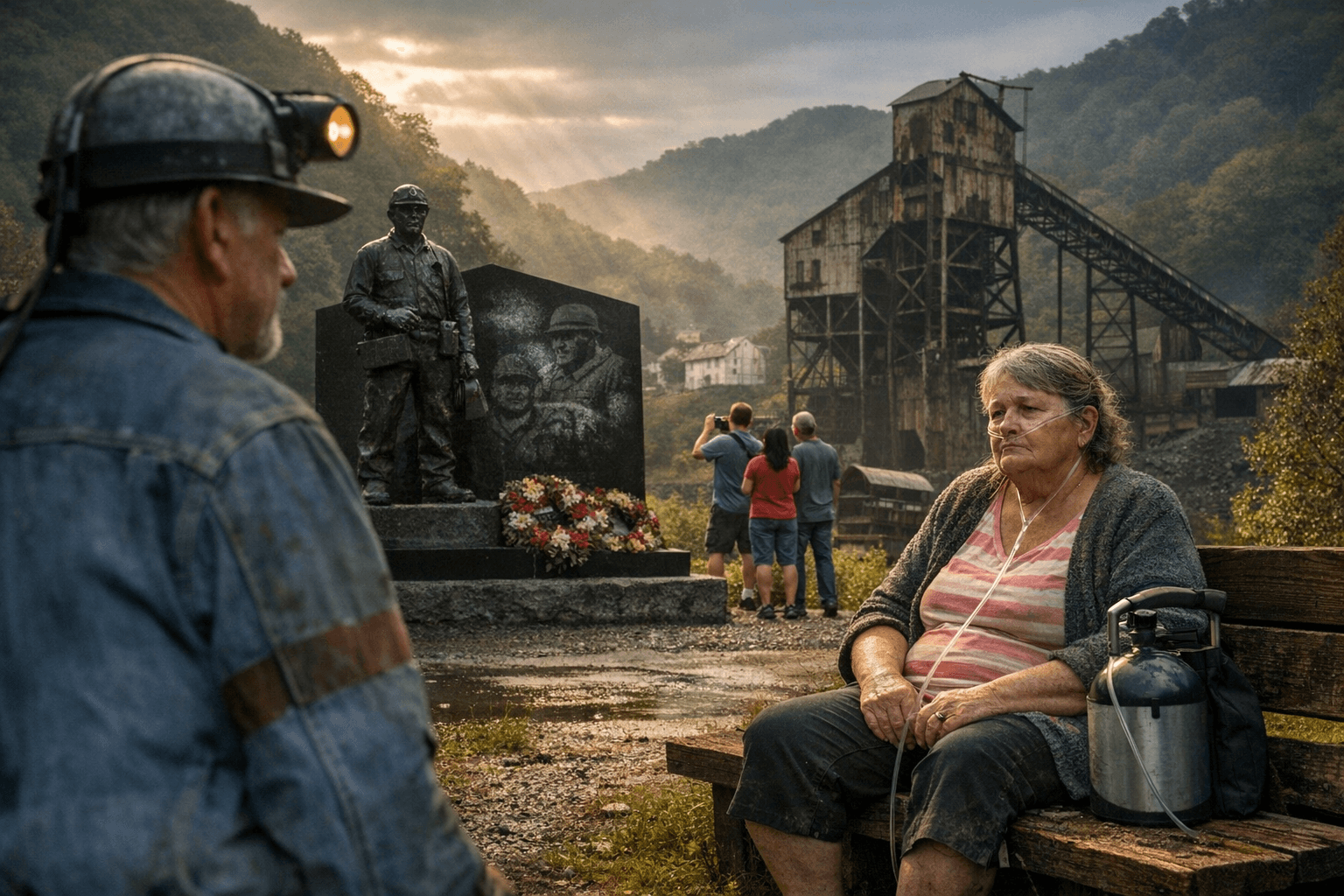
Policy decisions will determine whether increased visitation translates into equitable benefits. Investments in accessible signage, preserved public restrooms, broadband and reliable transit will help ensure tourism dollars reach downtown merchants and outlying hollers alike. Equally important is trauma-informed interpretation of disaster sites and memorials so that commemoration serves surviving families and community memory rather than commodifying loss.
The takeaway? Heritage tourism in McDowell can do double duty: bring needed economic activity and keep alive hard-earned stories of labor, migration and survival. If you plan a visit, use ExploreMcDowell.com/history to map sites, support locally owned businesses in Welch, Gary and Kimball, and consider connecting with community groups that offer deeper context. Our two cents? Treat these places with respect, learn the full story, and push for health and infrastructure investments that let residents share the benefits.
Sources:
Know something we missed? Have a correction or additional information?
Submit a Tip