From Client to Caregiver, Volunteer Helps Feed Springfield Families
On December 7, 2025, Food for Lane County volunteer Luna Jones staffed a monthly mobile pantry in Springfield that focuses on culturally relevant food for local households. Her work illustrates how emergency food programs provide immediate relief and build community resilience, while highlighting persistent gaps in local social safety nets that affect health and equity.

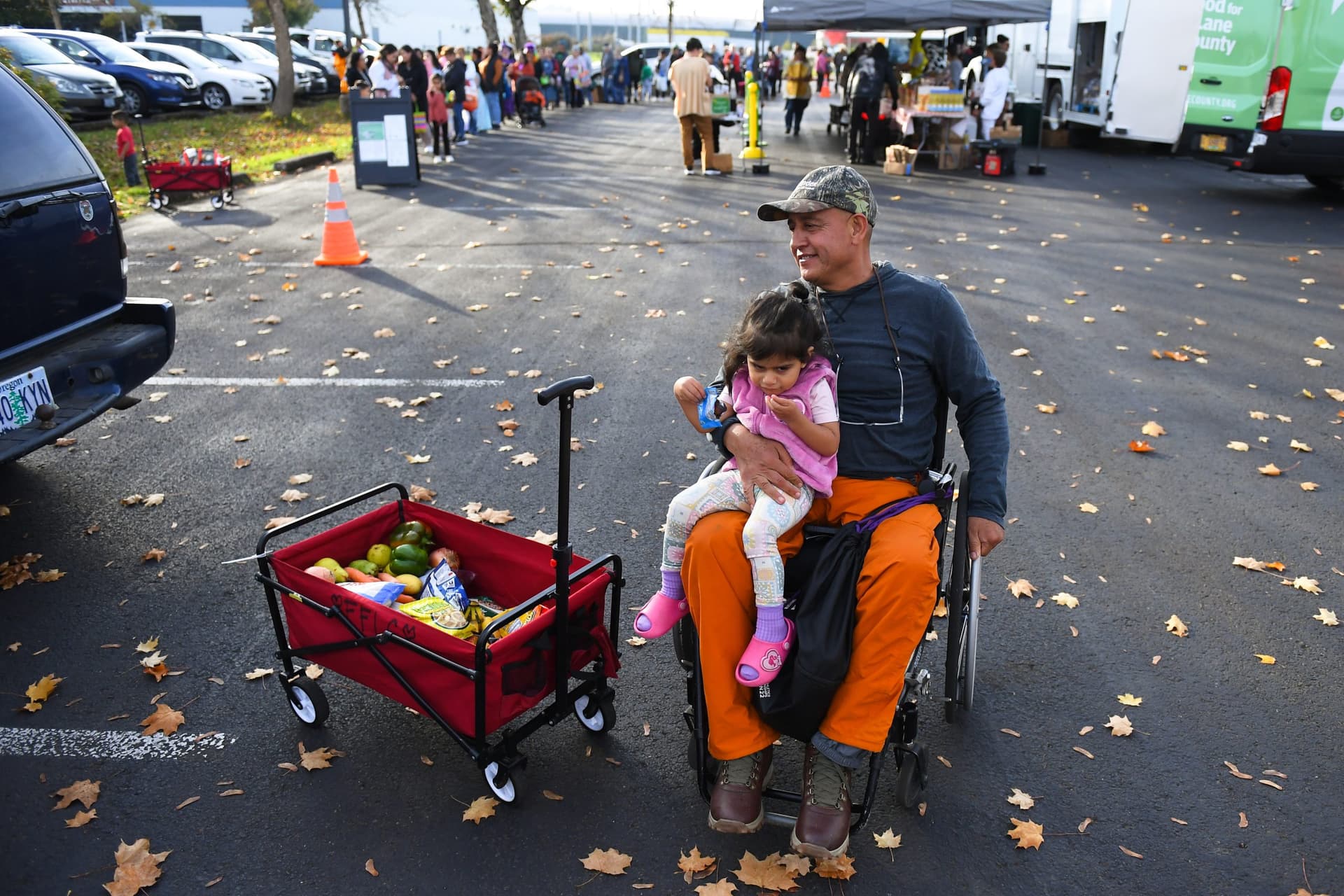
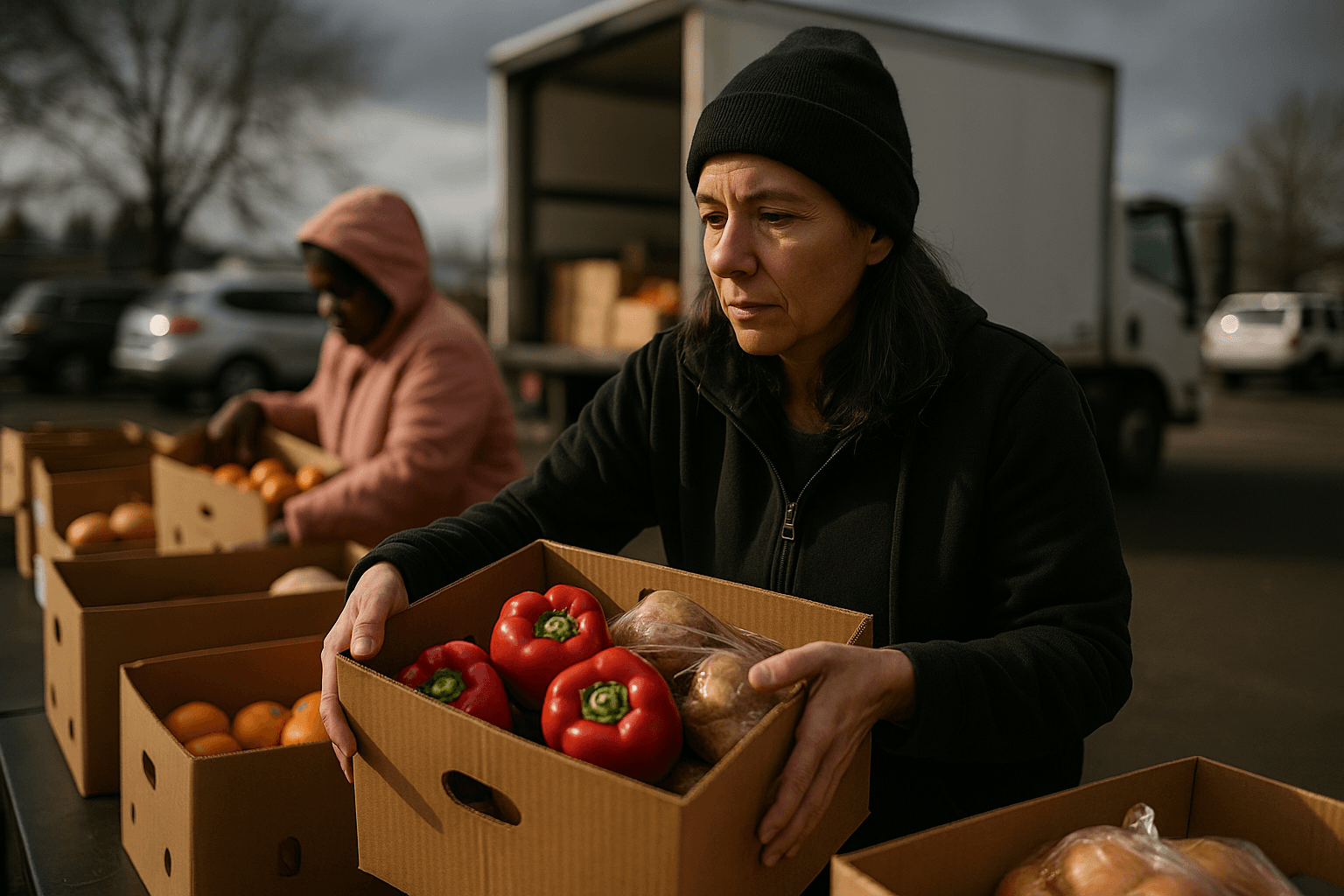
Luna Jones moved through a line of tables at a mobile pantry in Springfield on December 7, helping families load boxes of produce, shelf stable items and culturally familiar staples into cars. The pantry operates monthly and is designed to serve households seeking foods that reflect their cultures and dietary needs. Jones, who once relied on the same network of programs after a partner lost work and she lived hand to mouth, now volunteers to keep the system running for others.
Volunteers handled intake, packed distributions and offered guidance about available resources, all while maintaining a dignity centered approach that staff described as central to the operation. The pantry model seeks to reduce shame and logistical barriers by offering choice and culturally appropriate options, and by positioning volunteers as neighbors and peers rather than gatekeepers. Many volunteers, like Jones, are former clients whose experience informs how distributions are organized and how outreach is done.
Food insecurity in Lane County has direct public health implications. Household food shortages increase risk for chronic conditions, complicate disease management and add stress that affects mental health. Community based food programs fill immediate needs, but they also reveal systemic vulnerabilities related to employment instability, affordable housing and access to culturally competent services. Jones recalled sleeping in her car in her early 20s and later turning to food programs when an unexpected job loss strained the household budget. Those experiences continue to shape her commitment to reducing barriers for others.
The Springfield pantry demonstrates community capacity to respond to need, yet it also points to policy gaps. Sustained funding for emergency food, expanded eligibility for nutrition programs and stronger unemployment and housing supports are necessary to reduce reliance on emergency aid. Volunteers provide vital labor and social capital, but long term solutions require coordinated public investment and policy changes that address root causes of hunger.
Jones and other volunteers embody the way emergency food systems can nurture both survival and civic engagement. Their work keeps families fed today and builds relationships that strengthen community resilience, even as advocates press for broader policy fixes to ensure lasting food security and health equity across Lane County.