New series exposes food insecurity in Lane County, highlights local solutions
A three part special report published on December 7, 2025 examines the scale of food insecurity across Lane County, and the people and groups who respond. The series frames barriers including rising cost of living, limited transportation, and social stigma, and explores how delivery efforts and local systems can be adjusted to meet growing need.
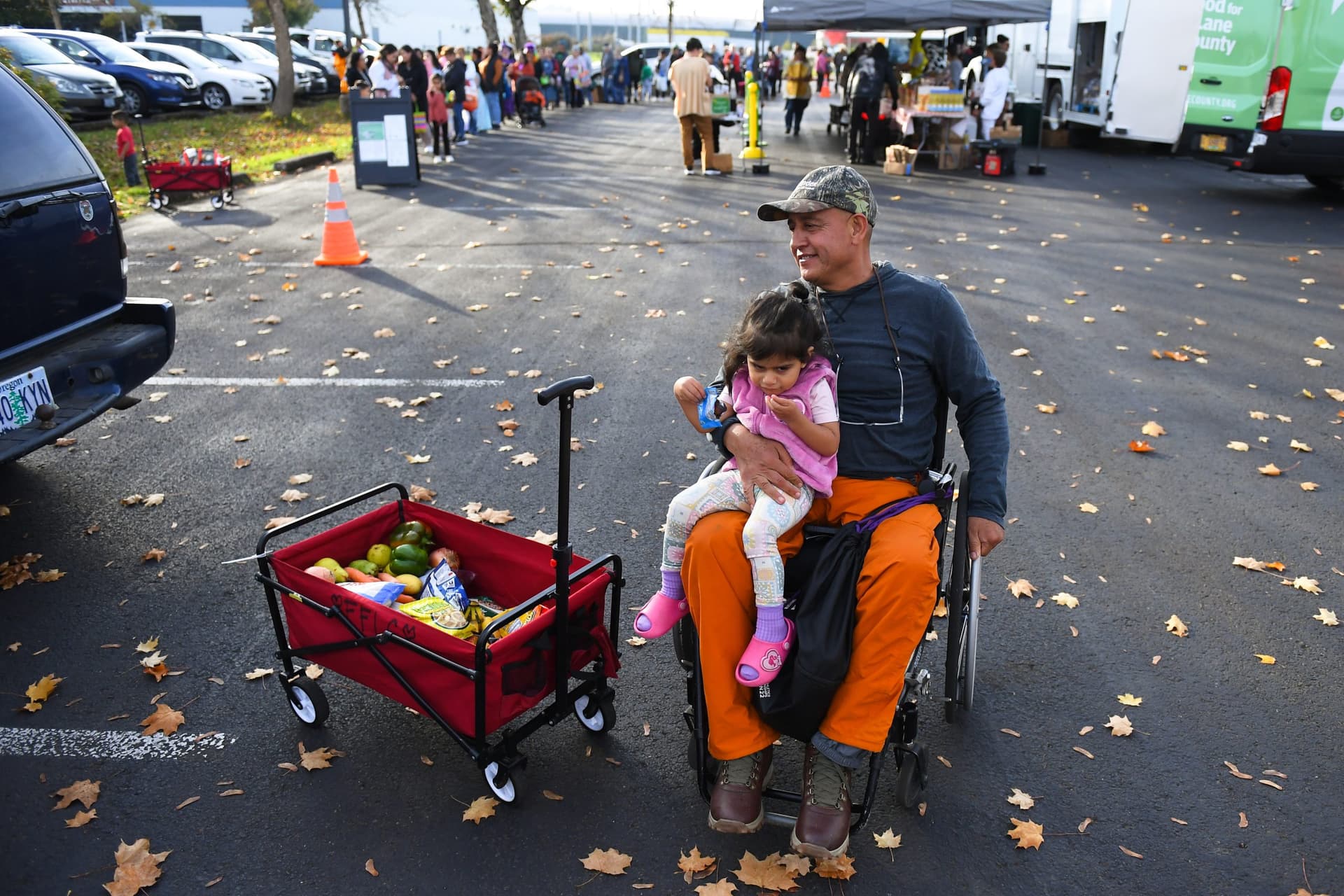
On December 7, 2025 a three part special report launched examining food insecurity in Lane County, documenting the scale of need and the patchwork of organizations and volunteers that deliver meals and groceries. At the center of the reporting are established nonprofits such as Food for Lane County and grassroots collectives including the Burrito Brigade, alongside numerous neighborhood volunteers who fill gaps left by strained public and private systems.
The introductory piece outlines three core aims. First it profiles delivery efforts and the people running them. Second it centers lived experience from residents who rely on emergency food. Third it examines how local service systems operate and where they fall short at connecting supply with demand. Two additional reporting pieces expand on those aims. One profiles volunteers and organizations that keep neighborhood food access functioning. The other analyzes operational programs that deliver food and provide wraparound support like enrollment assistance and referrals.
Local impact is immediate. Growing cost of living pressures household budgets and increases reliance on charitable food, while limited transit options constrain access to distribution sites for seniors, people with disabilities, and low income workers. Stigma around seeking help further depresses participation in existing assistance programs, reducing the effectiveness of resources already stretched thin. For residents this means longer travel times to pick up food, more frequent use of emergency services, and tougher choices between food and other essentials.

There are clear market and policy implications. Food banks and volunteer groups face higher operating costs and unpredictable donations, which complicates planning and limits the ability to scale. Public policy responses that could alter that calculus include expanded outreach for nutrition assistance programs, targeted funding for mobile delivery and transit vouchers, and investments in partnerships that integrate food distribution with health and housing services. Longer term, addressing root causes will require aligning local economic development and affordable housing strategies with food access planning.
This series seeks to catalyze that conversation by mapping who is doing the work, where shortfalls persist, and what practical changes could improve food security in Lane County. The follow up pieces provide deeper looks at volunteer networks and program operations, offering a resource for residents and policymakers weighing next steps.