Global Supermoon Photo Gallery Sparks Local Interest and Reflection
An Associated Press photo gallery posted on WRAL on December 4 highlighted striking images from around the world of December's supermoon, the final full moon in a trio of supermoons in 2025. The curated gallery explains the astronomical reason for a supermoon and offers a visual reminder of how such events can connect Wake County residents to global science and local observation opportunities.
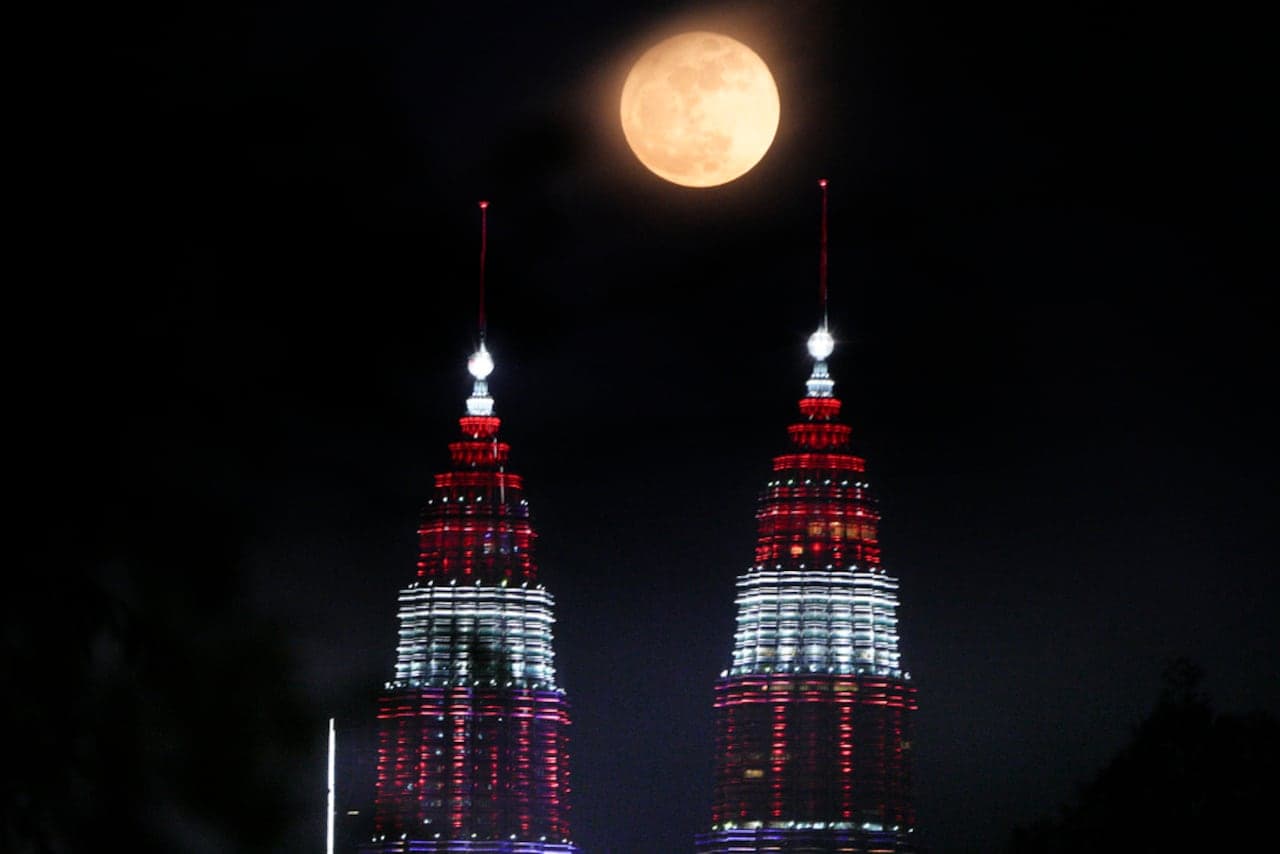
An Associated Press photo gallery, hosted on WRAL and posted on December 4, showcased images captured worldwide of December's supermoon, the last full moon in a series of three supermoons in 2025. The gallery paired striking photographs with captions identifying locations and brief scientific context, explaining that a supermoon happens when the moon is near perigee, its closest point to Earth, which makes the moon appear larger and brighter than a typical full moon.
The visual collection served as both a global roundup and a local prompt. For Wake County residents, the gallery offered a reference point for how the December full moon compared to earlier 2025 supermoons, and it provided an accessible way to talk about orbital mechanics without specialist language. Local photographers and amateur astronomers who watched the sky that night now have a curated set of reference images to compare framing, color and apparent size under different atmospheric conditions.
The event also underlines practical community issues. Light pollution in suburban and urban parts of Wake County can diminish the visual impact of a bright moon, which affects educational outreach at schools and museums that use celestial events to engage audiences. The gallery may prompt local institutions to consider targeted programming or temporary viewing events at darker parks and preserves to maximize visibility for future lunar events.
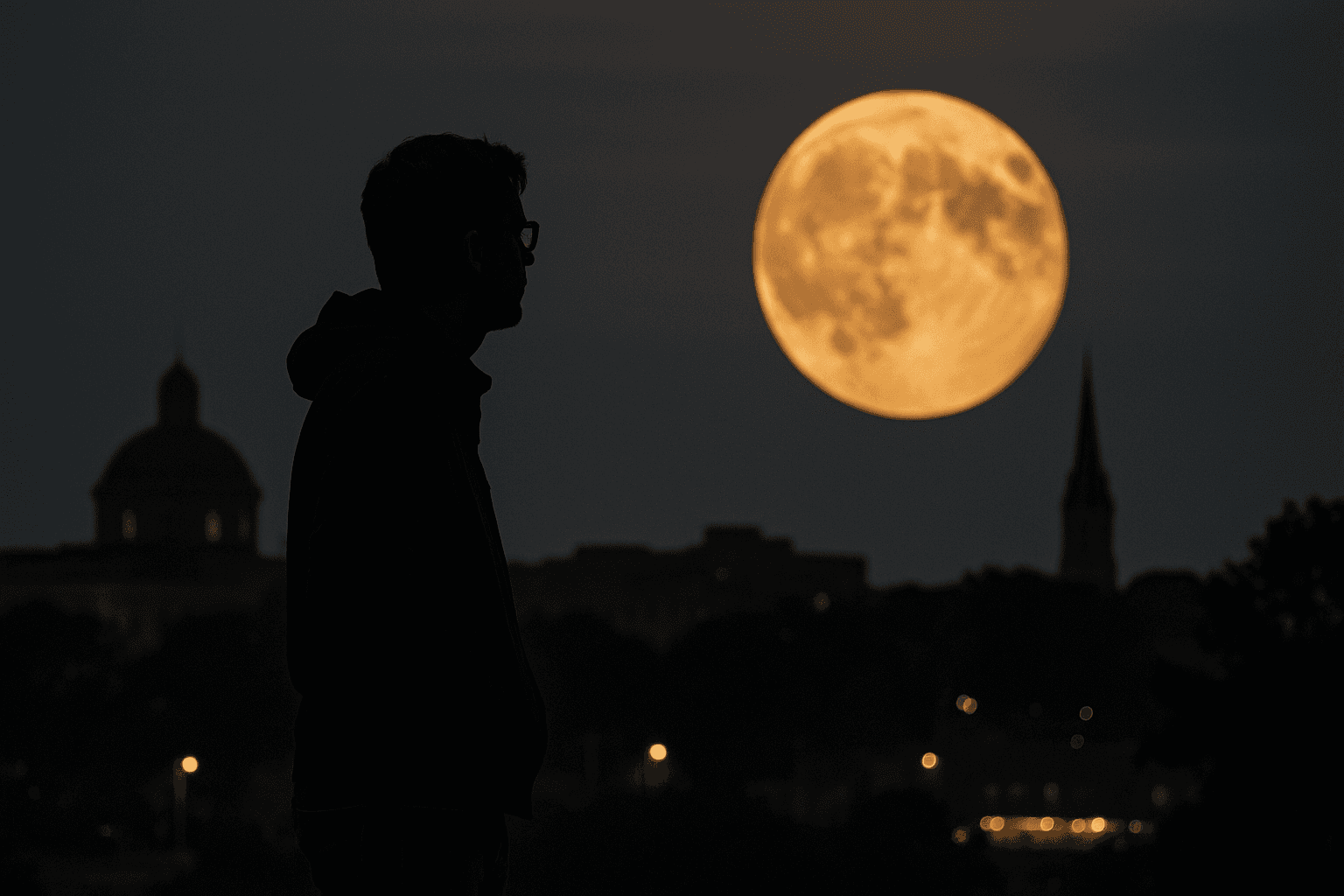
From an economic perspective, astronomical events can generate modest spikes in outdoor activity, foot traffic at parks, and online engagement for local media outlets. Visual galleries like the AP collection tend to increase page views and social sharing, which can amplify local coverage and community conversation about science and the night sky.
Looking ahead, the December supermoon closes a notable sequence of three in 2025 and reinforces a longer term opportunity for Wake County to expand astronomy education, address light pollution through municipal policy, and support local photographers and science groups who harness public interest in visible celestial events.
Sources:
Know something we missed? Have a correction or additional information?
Submit a Tip