Wake County Greenways, Parks Connect Recreation to Community Planning
Wake County’s network of state parks, county parks, and greenways provides extensive outdoor access while highlighting questions about funding, maintenance, and equitable access. The connections between William B. Umstead State Park, Lake Crabtree, Lake Johnson, Falls Lake, and new Crabtree Creek West Trail matter to residents for recreation, active transportation, and local planning priorities.
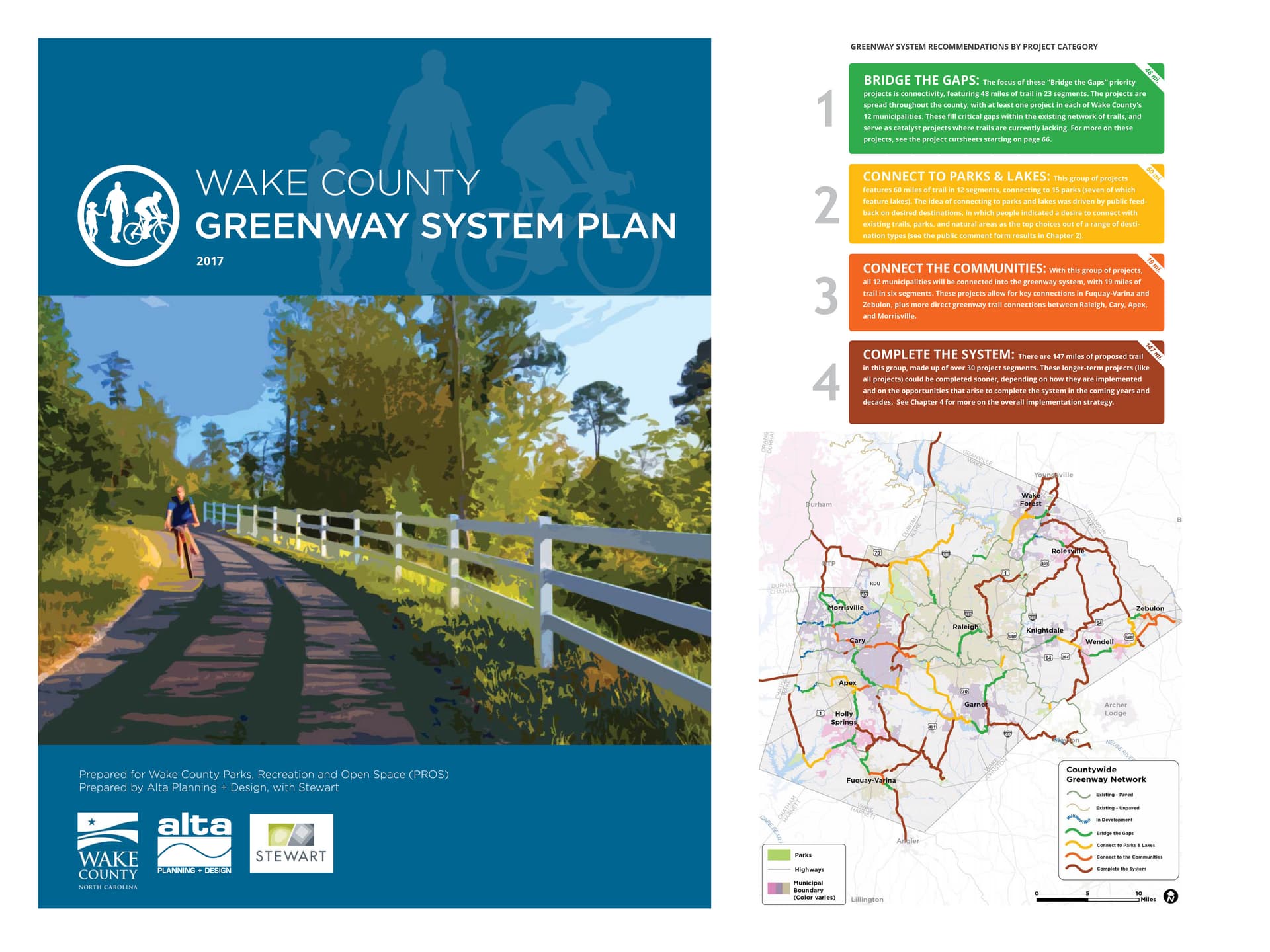
Wake County’s park and trail network spans state managed forests, county parks, and city greenways, creating a contiguous outdoor system that serves recreation, commuting and conservation needs. William B. Umstead State Park anchors the western edge with multiple entrances and established loops such as Sycamore and Company Mill. Lake Crabtree County Park provides water access, fishing and multi use trails that tie into Crabtree Creek greenways. Lake Johnson Park remains a popular family friendly destination with trails, paddle rentals and birding. Falls Lake State Recreation Area offers boating, fishing and camping in the northern part of the county. The Capital Area Greenway system and the new Crabtree Creek West Trail strengthen local connections to neighborhoods and to Umstead. Regional links extend toward the American Tobacco Trail and Neuse River greenway corridors.
These amenities are managed across different institutions with overlapping responsibilities. NC State Parks manages Umstead and Falls Lake, Wake County administers Lake Crabtree, and the City of Raleigh maintains the capital greenway network and project pages for Crabtree Creek Trail work. Local stewardship groups such as The Umstead Coalition perform volunteer maintenance and advocacy. That institutional patchwork produces benefits and challenges. Coordinated planning increases connectivity and regional recreational value. It also creates potential gaps in funding, signage, parking enforcement and maintenance priorities that affect daily users.
Policy decisions at city and county commissions will determine whether recent trail investments translate into long term access and equitable distribution of benefits. Parking availability at trailheads, closures during storms or maintenance, and trail surface upkeep influence usage patterns and public safety. Greenway links that also serve as active transportation corridors shape commuting choices and can reduce localized traffic if investments match demand.
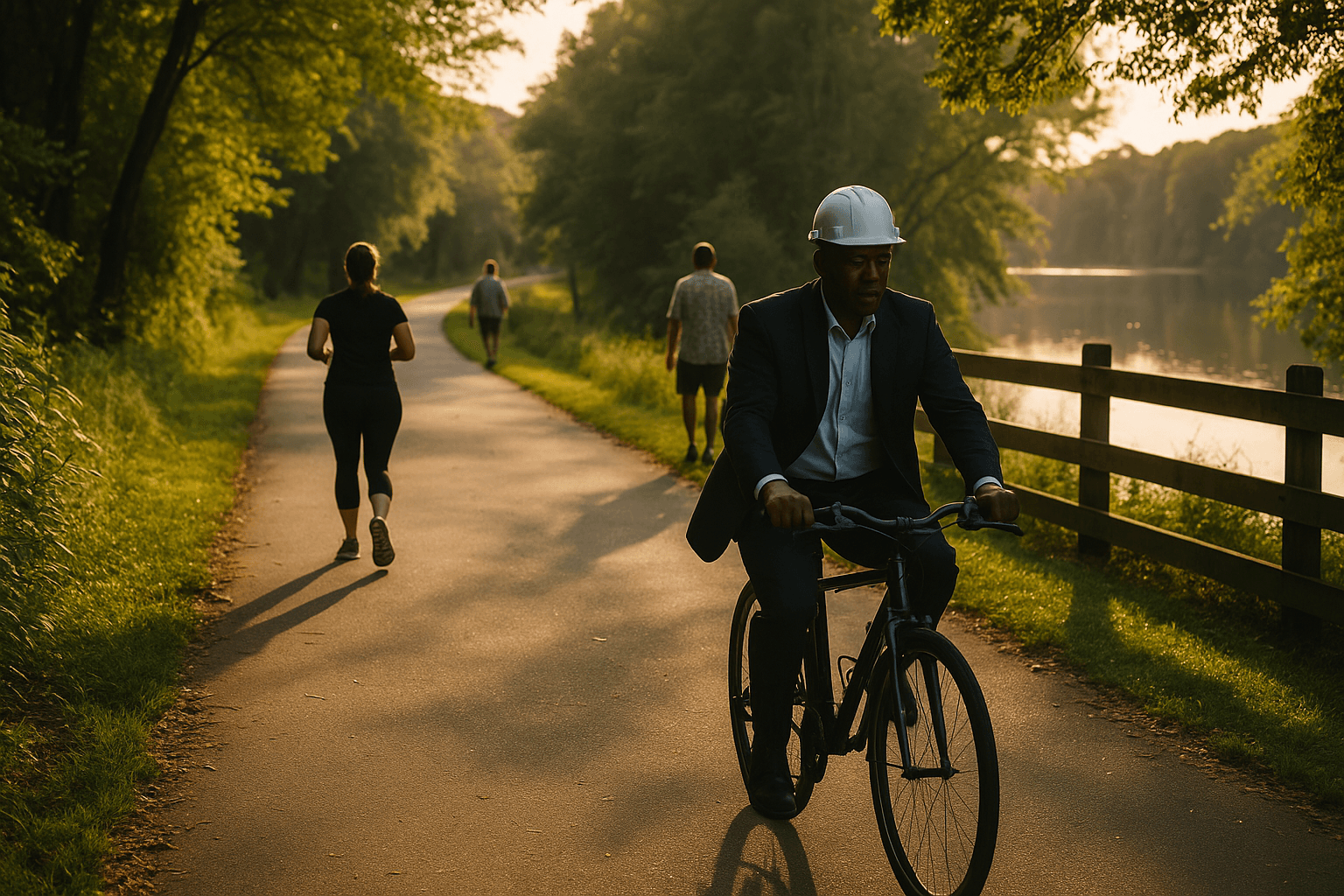
For residents the practical implications are immediate. Check official park pages for maps and alerts, expect variable trailhead parking conditions, dress in layers in winter, carry water and pack out trash. Civic engagement with city project pages and stewardship organizations can influence budget allocations, trail maintenance schedules and planning outcomes. As Wake County continues to expand trail connectivity, policymakers and voters will shape whether these outdoor assets meet recreational needs and broader community goals.
Sources:
Know something we missed? Have a correction or additional information?
Submit a Tip