Unsecured Guns Tied to Child Shootings, Free Locks Available Locally
A recent statewide investigation found at least nine children this year shot after finding unsecured firearms, four of them fatally, highlighting a preventable public health crisis. Wake County residents can access free gun locks through local law enforcement as part of broader efforts to reduce accidental shootings and address uneven legal responses.

A statewide review found a troubling pattern of accidental child shootings linked to firearms left unsecured in homes. At least nine children were shot this year after finding guns, and four of those children died. The incidents underscore how access to unsecured firearms remains a leading driver of preventable injury and death among children statewide.
Prevention efforts are underway that combine distribution of safety devices with education. State programs aim to put free gun locks into the hands of families, and national and local initiatives are part of the effort. Programs identified by investigators include NC SAFE and Project ChildSafe, which provide resources for safe firearm storage and outreach campaigns designed to change household practices around gun safety.
Responses from prosecutors vary across jurisdictions which affects both accountability and deterrence. Some jurisdictions bring charges in cases involving improper storage, while others exercise charging discretion that results in fewer prosecutions. That inconsistency has public health implications because it shapes community perceptions about risk and responsibility, and because legal approaches interact with prevention strategies to reduce harm.
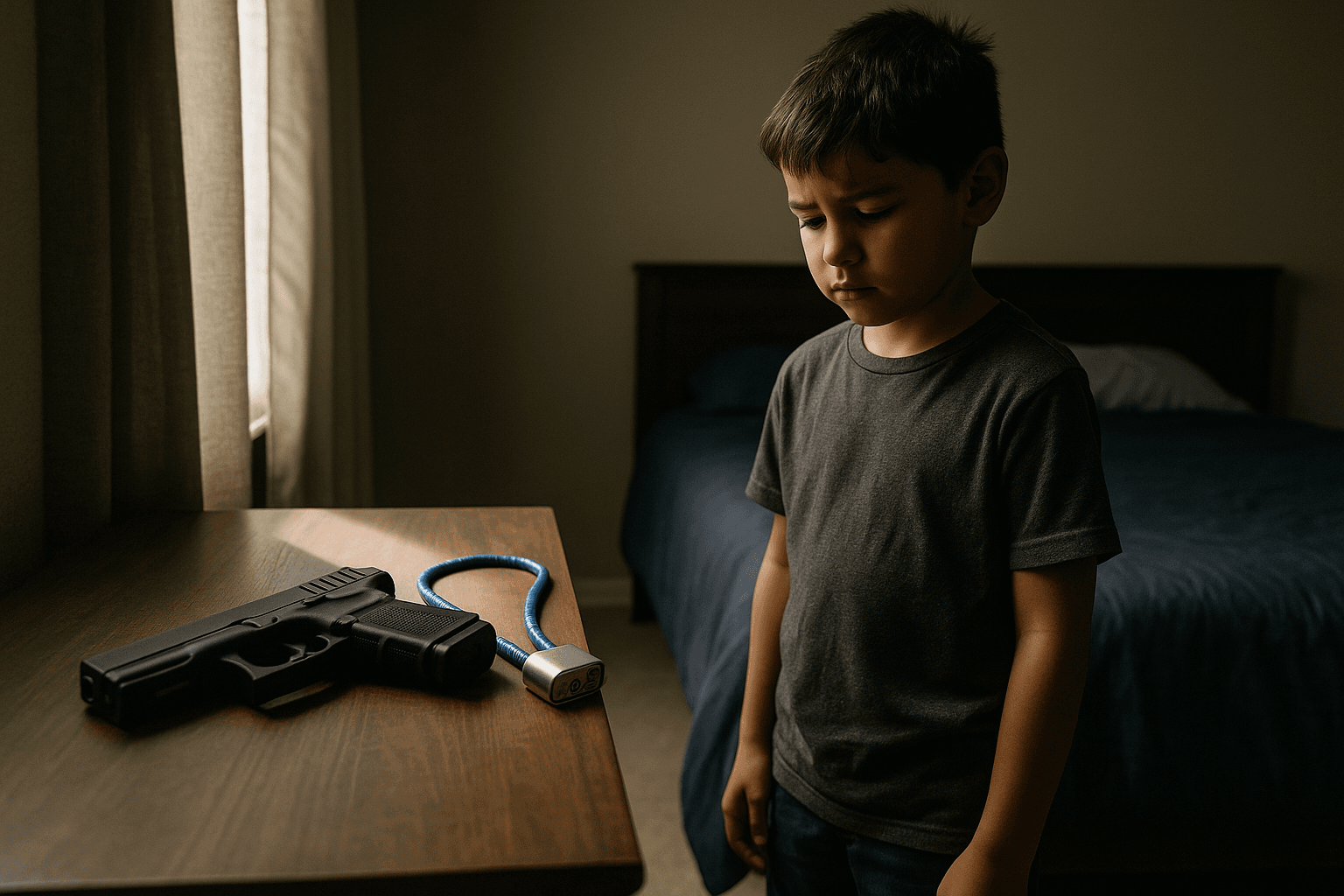
In Wake County, residents can pick up free gun locks at the Raleigh Police Department and the Wake County Sheriff’s Office. Local distribution complements public education campaigns that emphasize storing firearms locked, unloaded, and separate from ammunition. Making locks available without cost removes a practical barrier for many families and is a tangible step toward reducing accidental shootings.
Beyond individual behavior, the pattern of incidents reveals systemic issues. Communities with fewer resources may face greater obstacles to safe storage, and inconsistent enforcement can widen disparities in protection and accountability. Public health leaders say comprehensive approaches that combine accessible safety devices, culturally competent education, and consistent legal standards are needed to prevent future tragedies.
The recent investigation makes clear that accidental shootings among children are largely preventable. Expanding access to free gun locks, strengthening education efforts, and addressing uneven prosecutorial practices are all part of a public health response that prioritizes child safety and equity.
Sources:
Know something we missed? Have a correction or additional information?
Submit a Tip