Hamas demands stronger international pressure on Israel before next truce phase
Hamas said mediators must compel Israel to fully implement the first phase of the ceasefire before any move to a second phase, citing ongoing strikes, border closures and restricted aid deliveries. The call highlights deep mistrust, discrepancies in humanitarian reporting and the diplomatic obstacles that now imperil progress on prisoners, withdrawals and reconstruction.

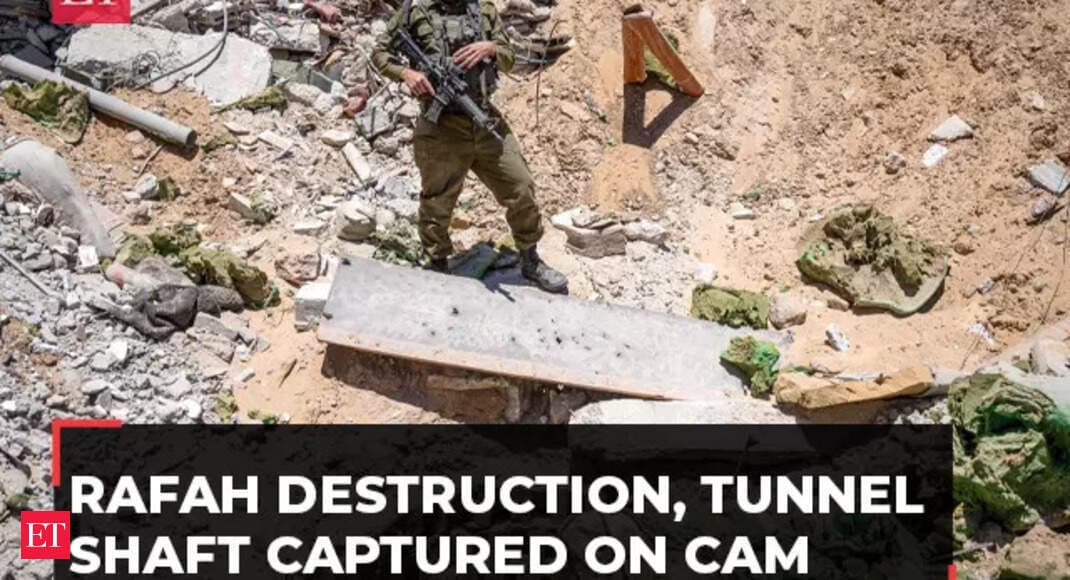
On December 9, Hamas issued a statement urging mediators to step up international pressure on Israel to complete the first phase of the ceasefire before negotiations advance to a second phase. The group set out specific preconditions, including a halt to military strikes and demolitions, the reopening of key border crossings and unfettered humanitarian access to areas where civilians continued to suffer.
The demand underscored persistent mistrust between the parties and presented a fresh challenge to diplomats who have been trying to convert a fragile cessation of hostilities into a durable truce. Mediators face the task of sequencing complex and sensitive issues that were envisioned for the second phase, including arrangements for prisoner and hostage matters, Israeli withdrawals and longer term reconstruction planning. Hamas said those steps could not proceed while the first phase remained incomplete on the ground.
Reporting by The Associated Press highlighted troubling discrepancies between Israeli government figures and United Nations tallies for aid truck deliveries during the ceasefire, a gap that has fed suspicion and competing narratives about the humanitarian situation. The AP also described continuing violence and civilian suffering despite the truce, a dynamic that has undercut confidence in the implementation of agreed provisions.
The diplomatic picture is complicated by the practicalities of verifying compliance, the fractured political landscape in the Palestinian territories and the contested security needs cited by Israel. For mediators, the ability to produce reliable independent verification of openings at crossings and the movement of aid convoys has been central to building the mutual confidence required for the second phase. Without clear, mutually accepted data, each side risks using differing reports to justify halting negotiations or taking unilateral steps.

Humanitarian agencies have repeatedly warned that access and protection for civilians are prerequisites for any sustainable calm. The call from Hamas for unfettered humanitarian access echoes those concerns and puts pressure on external actors to produce tangible improvements in aid delivery and border operations. At the same time, the insistence on halting demolitions and strikes raises questions about how immediate security imperatives will be reconciled with humanitarian demands.
International response in the coming days is likely to determine whether the fragile pause deepens or unravels. If mediators succeed in tightening oversight and closing gaps in reporting, they may create conditions for talks on the contentious second phase items. If not, the stalemate could harden, with consequences for civilians and for the regional diplomatic architecture that has sought to manage the conflict.
The dispute over implementation also carries legal and reputational implications. Continued targeting of civilian infrastructure and restrictions on aid movement have prompted scrutiny under international humanitarian law, while differing casualty and delivery figures complicate accountability and public diplomacy. As negotiators deliberate on sequencing and verification, the plight of ordinary civilians remains the immediate test of whether the ceasefire can yield meaningful relief or whether it will remain a fragile pause in a wider confrontation.