Israeli Forces Lead Journalists Through Rafah Tunnel, Show Hostage Body
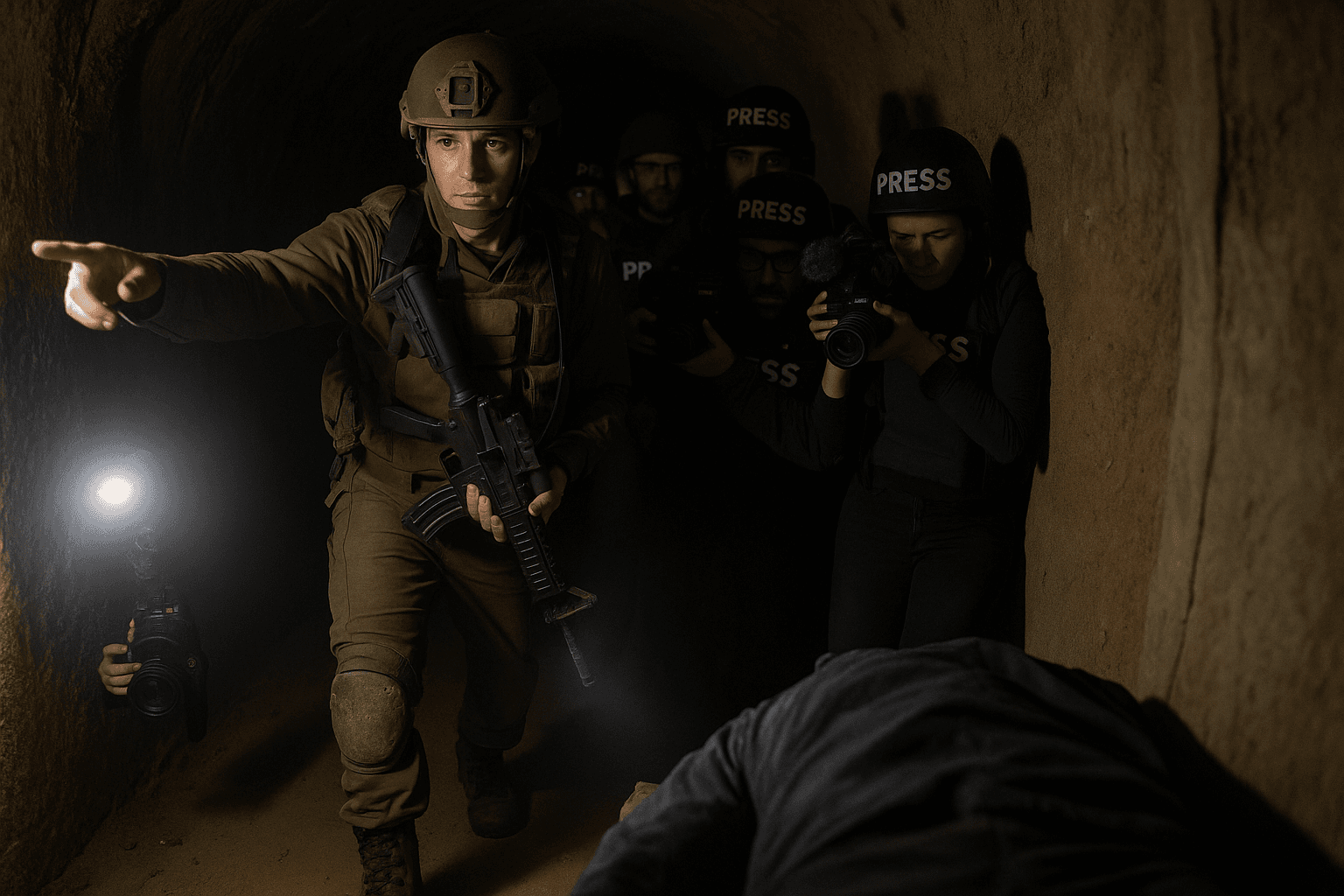
Israeli troops escorted journalists on December 9 into a tunnel complex beneath Rafah that the military said had been used by Hamas, including areas the army described as militant infrastructure and the body of a long held hostage. The rare, tightly controlled visit unfolded as a U.S. brokered ceasefire entered a fragile phase, underscoring deep disputes over implementation, accountability, and urgent humanitarian access.
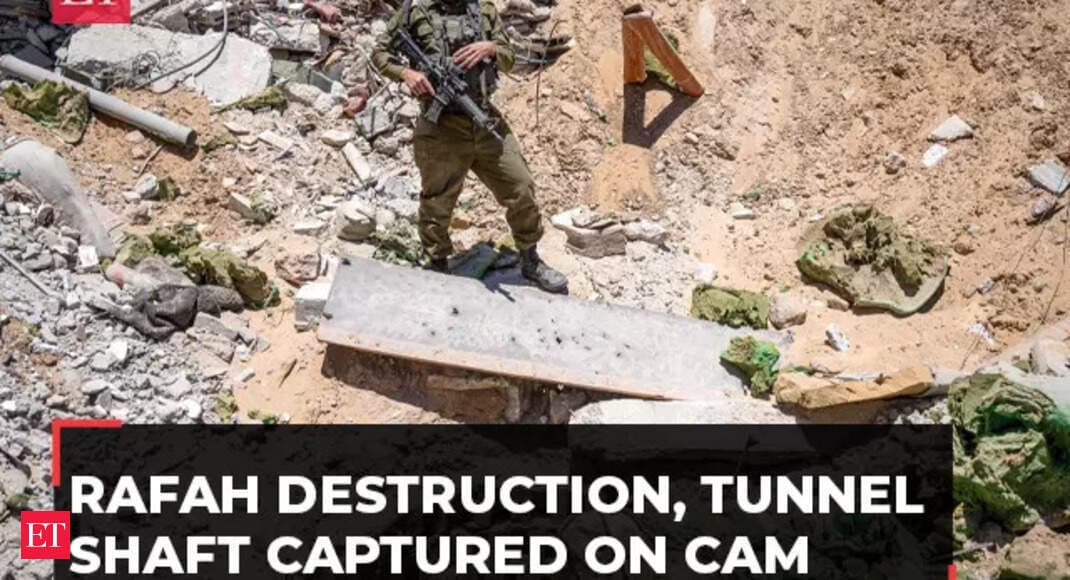
Israeli military personnel took journalists on a guided visit on December 9 into a subterranean network beneath Rafah that the army said stretched for more than seven kilometers and ran under civilian neighborhoods and United Nations facilities. The military presented passages and chambers it characterized as militant infrastructure and pointed to what it said was the body of a person held captive for years, a grim emblem of the conflict that has devastated the city it now controls and has largely flattened.
The escorted tour was unusual in its openness only in form, given the level of control the army exerted over where reporters could go and what they could see. Independent verification of the military’s full account was limited by the circumstances on the ground, where large swaths of Gaza remain under Israeli control and access for outside investigators and aid agencies has been constrained. The visit took place as a U.S. mediated ceasefire entered a critical phase, a moment in which headline events can shape international perceptions and the political leverage of the parties.
Israel said the tunnel system had been used by senior Hamas commanders and ran beneath civilian and U.N. sites, assertions that, if accurate, raise complex questions under international law about the use of civilian infrastructure for military purposes and the protections owed to noncombatants. The presence of such subterranean networks also complicates relief and reconstruction plans in a territory where displacement is widespread and basic services are eroded.
Humanitarian conditions remained acute as the ceasefire process continued. Aid groups and diplomats have warned that restrictions on crossings and on movement inside Gaza, a pattern noted in reporting on the visit, were impeding deliveries of food, medicine and shelter materials to hundreds of thousands of displaced people. The fragile truce has paused certain military operations but has not resolved fundamental disputes about territory, detention, and the mechanisms for verifying compliance and exchanges.
Diplomatically, the Israeli decision to stage the tunnel tour for international media is likely to reverberate in capitals weighing their posture toward the ceasefire. For the United States and other mediators, the evidence presented by Israel could bolster arguments about the security rationale for deep operations. For Palestinian authorities and many international critics, the broader picture of civilian destruction and constrained humanitarian access will remain central to demands for accountability and relief.
The next phase of the ceasefire process will hinge on negotiations over verification, prisoner and hostage issues, the reopening of crossings for sustained humanitarian flow, and arrangements for reconstruction and civilian safety. Until independent experts and humanitarian monitors can conduct fuller inspections, the tunnel tour will stand as a potent but contested element in the evolving narrative of a conflict now moving from active battlefield confrontation toward disputed terms of pause, recovery and international scrutiny.