Harpoon IPA gets modern packaging refresh for 40th anniversary
Harpoon Brewery unveiled a major packaging refresh for its flagship Harpoon IPA on December 1, 2025, highlighting heritage, localism, quality and accessible expertise while keeping the beer recipe unchanged. The redesign places Boston's IPA front and center with bolder typography, a simplified anchor and ribbon emblem and tightened linework, and new cans will begin rolling off production lines in January 2026 before appearing in stores in February 2026.
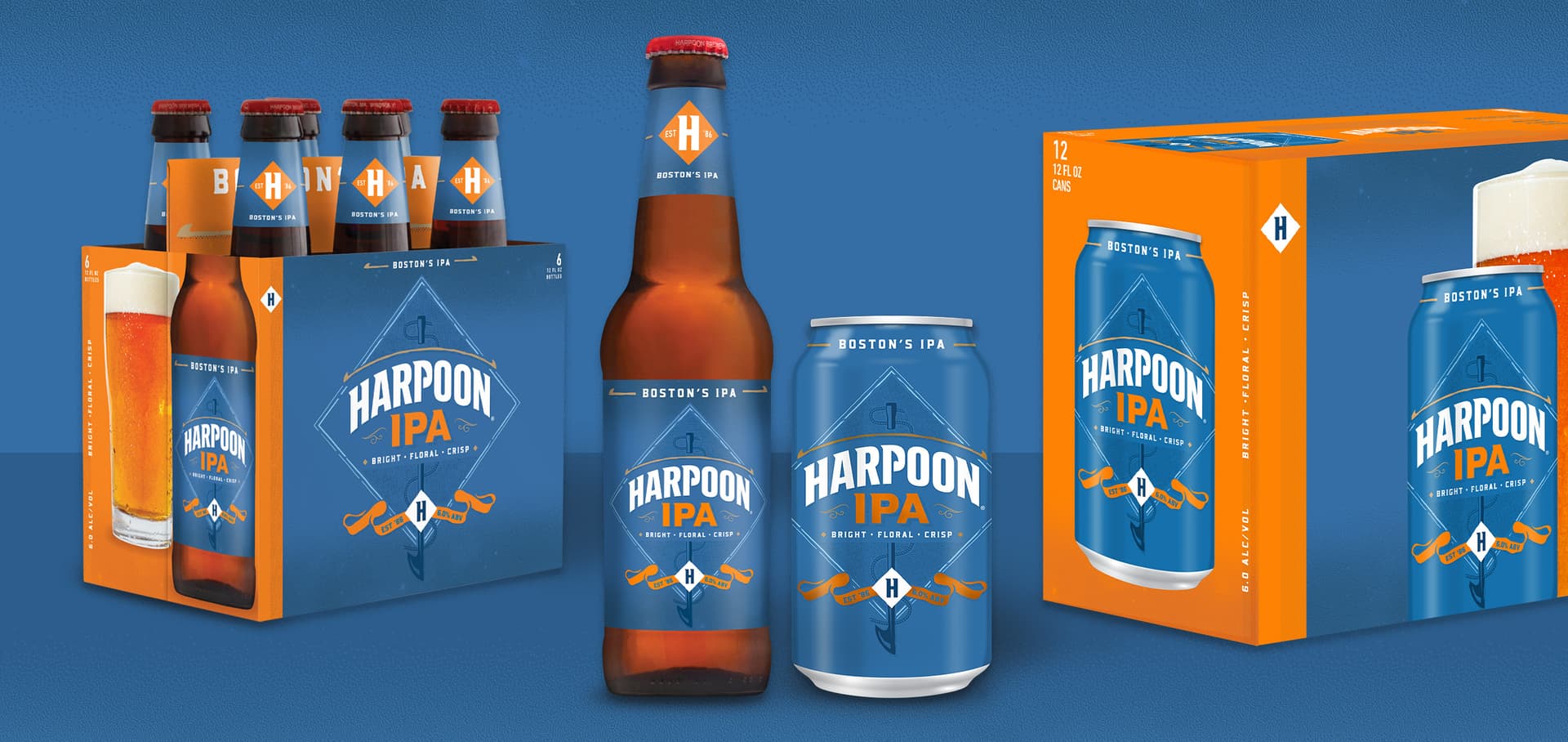
Harpoon Brewery revealed a visual overhaul of its flagship IPA as part of its 40th anniversary celebration, a change aimed at strengthening shelf presence and broadening appeal while preserving the beer drinkers know. The brewery said the update is rooted in heritage and local identity, and that the formula for Harpoon IPA remains exactly the same. The project centers Boston's IPA on packaging with bolder typography, a simplified anchor and ribbon emblem that calls out EST ’86 and ABV, and a tightened color hierarchy to make the core elements easier to read at a glance.
The redesign is a deliberate move to modernize how Harpoon presents its most widely distributed offering. New cans and packaging will begin rolling off production lines in January 2026 and are slated to appear in stores in February 2026. For retailers and wholesalers this timeline gives a clear window to plan inventory and merchandising. For consumers the takeaway is straightforward, the familiar flavor profile is unchanged, and visual cues such as the anchor emblem and the phrase Boston's IPA will mark the refreshed pack.
Community impact extends beyond aesthetics. Local pride and recognition matter to Harpoon's customer base in Boston and to regional accounts that carry the brand. The cleaner label treatment and stronger type should improve visibility in crowded beer cases and help draw in shoppers who may be browsing by city identity or style. Homebrewers and smaller breweries can watch this shift as an example of how strategic label editing can communicate legacy and clarity without altering product.
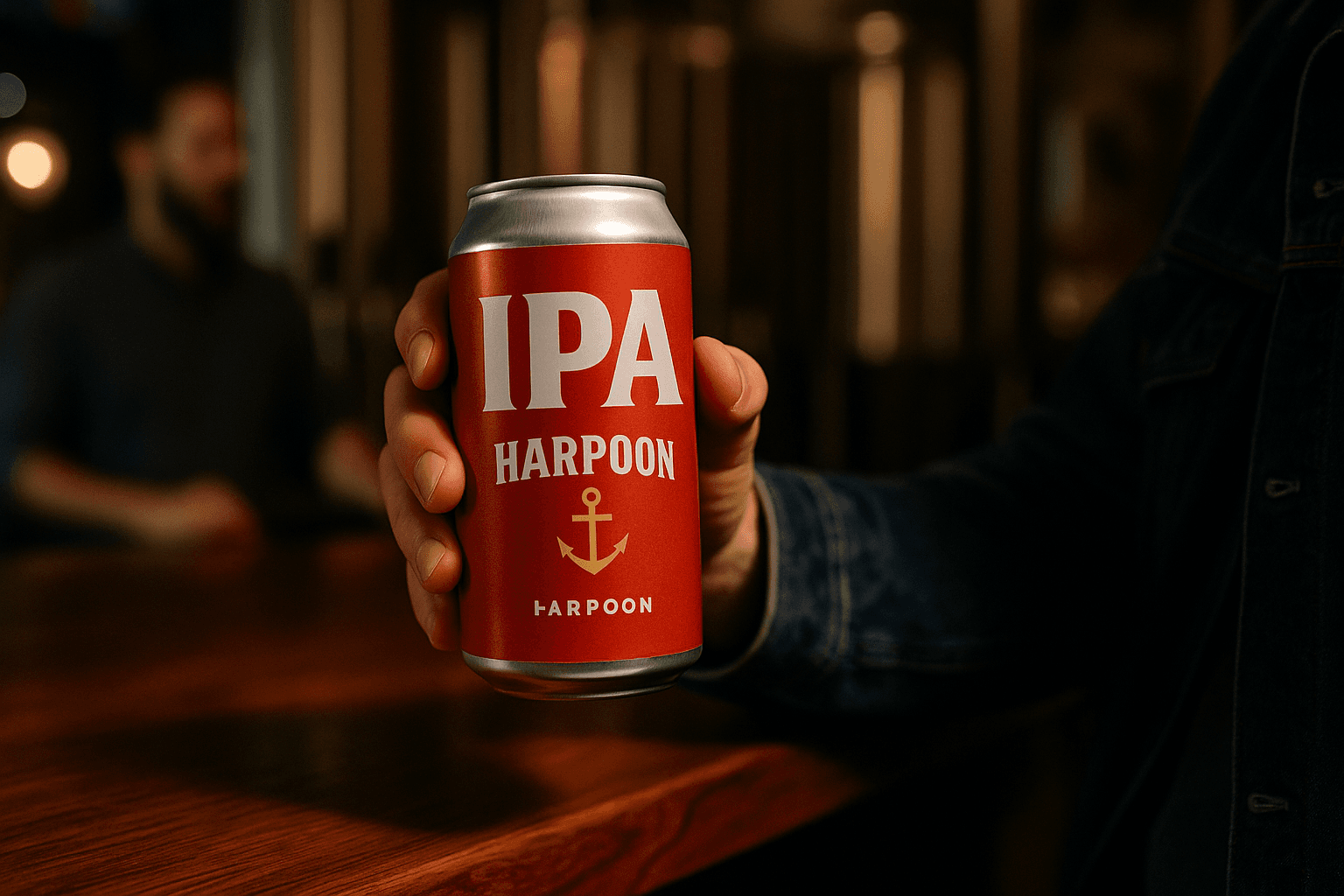
Practical steps for readers include checking incoming inventory for the EST ’86 mark to spot new packaging and updating shelf labels or tap handles to note that the beer is the same despite the new look. The rollout after the holidays will give bars and retailers time to rotate stock and create displays that explain the change to regulars and new customers. Harpoon's move underscores that sometimes the most significant changes in craft beer happen through smarter design rather than recipe change.