Home Depot to use AI coaching tools to boost frontline performance
Home Depot will deploy Rilla's AI coaching platform to give leaders real-time insights and scale frontline coaching. The tool aims to improve consistency in customer service and manager efficiency.
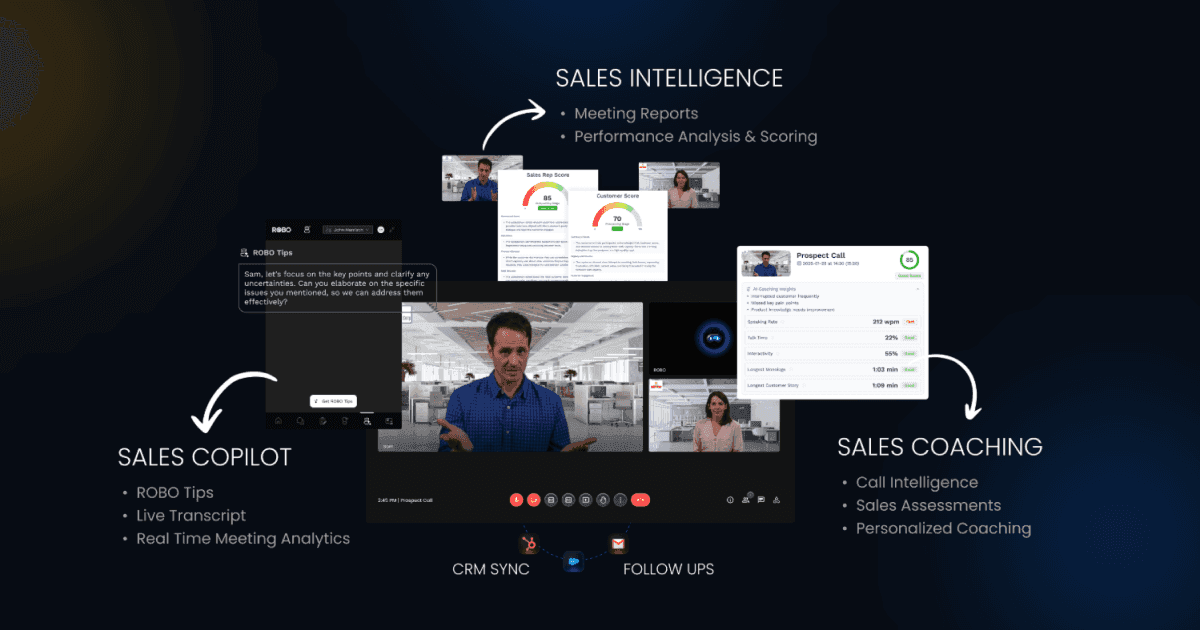
Rilla, an AI-powered field-team performance platform, announced it will deploy real-time coaching tools at Home Depot, a move positioned as an operational and people-development investment to help frontline leaders coach more efficiently and lift customer experience.
The platform delivers immediate insights into communication and service-delivery patterns so leaders can scale coaching, reinforce best practices and improve customer-facing consistency across service and sales professionals nationwide. Home Depot and Rilla said the technology is meant to give store and district leaders faster visibility into day-to-day interactions so coaching can be more targeted and timely rather than relying on periodic reviews.
For employees, the rollout has two obvious effects. First, frontline leaders are likely to receive more frequent, data-driven prompts to address specific coaching needs, which can speed up skill development for associates in departments such as sales, pro services and in-home installation. Second, the standardized feedback and templates embedded in real-time coaching tools can reduce variability between stores, aiming to make customer experiences more predictable whether a shopper visits a local branch or calls for service.
The move also shifts some supervisory work from manual observation and ad-hoc feedback to tool-assisted interventions. That can free managers from administrative tasks and make coaching — from onboarding to performance corrections — more consistent. For associates, that may mean clearer expectations and more regular touchpoints with leaders, but it can also increase scrutiny of day-to-day interactions as organizations measure communication patterns and service outcomes more closely.

Rilla framed the deployment as a way to scale frontline coaching capacity and reinforce best practices across a large workforce. The platform’s focus on real-time insights ties into broader retail trends where employers invest in digital tools to raise customer satisfaction while attempting to reduce the unevenness that comes from thousands of individually managed storefronts.
How the technology will be implemented at store level and what training or privacy safeguards will accompany its rollout will determine its reception among hourly associates and their supervisors. The potential upside is faster skill development and steadier customer service; the risk is that workers perceive coaching as algorithm-driven surveillance if transparency and human oversight are limited.
For Home Depot workers and leaders, the next phase will be watching how the company phases the tools into daily routines, what metrics managers are asked to prioritize, and how feedback from store teams shapes the platform’s use. If executed with clear communication and safeguards, the platform could make coaching more actionable; if not, it may raise questions about measurement and workplace autonomy going forward.
Sources:
Know something we missed? Have a correction or additional information?
Submit a Tip

