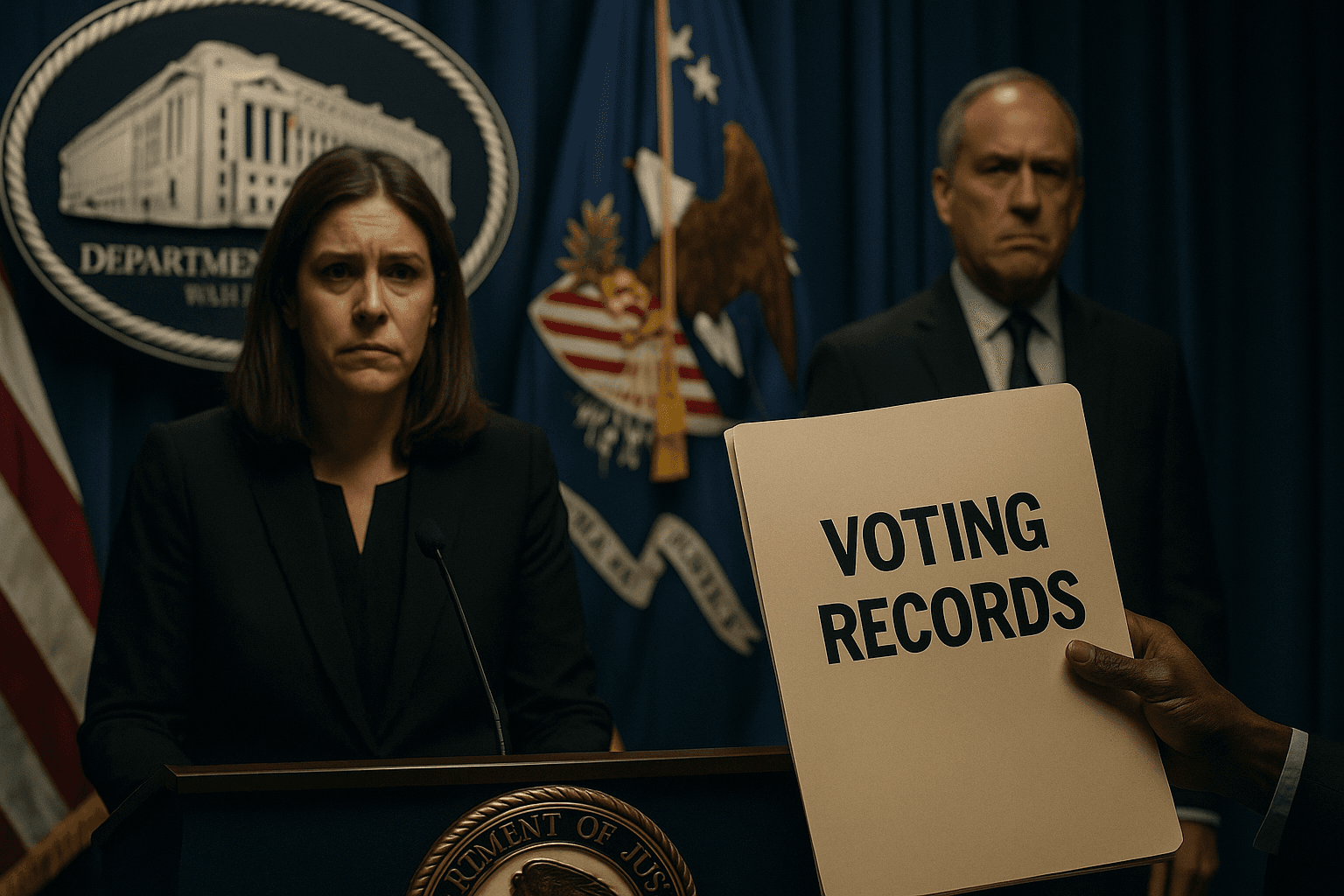
Homeland Security Chief Faces Sharp Questions Over Immigration Enforcement
Homeland Security Secretary Kristi Noem is testifying before the House Committee on Homeland Security amid renewed scrutiny of the Trump administration’s stepped up deportations, expanded detention plans, and controversial legal tactics. The hearings and parallel court actions carry major implications for the rule of law, federal budgets, and labor markets that depend on immigrant workers.
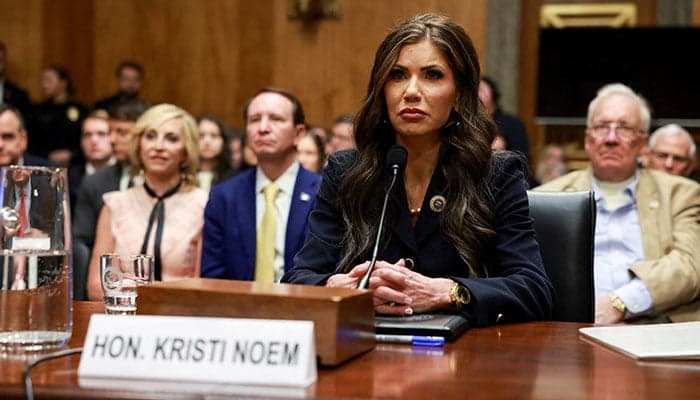
Kristi Noem is appearing before the House Committee on Homeland Security today, where Democratic members pressed her intensely on recent enforcement moves that have accelerated removals, sought to expand detention capacity, and paused certain visa processing. The session comes after months of public and legal pushback to the administration’s aggressive immigration agenda and follows a contentious Senate budget hearing in May where Noem faced sharply critical questioning.
Lawmakers focused their attention on large scale removal operations and the department’s plans to increase detention. Coverage of the hearing emphasized requests for specifics on where operations will be carried out, how detainees will be housed and funded, and what safeguards are in place for legal rights and asylum claims. Democrats framed the exchange as part of a broader inquiry into the legality and human costs of a strategy that seeks faster deportations and reduced access to standard immigration pathways.
The May 20 Senate budget hearing remains an anchor for criticism. Under questioning from Senator Maggie Hassan, Noem was asked to define habeas corpus. She replied, "Habeas corpus is a constitutional right that the president has to be able to remove people from this country." Multiple outlets reported that the description was incorrect, and the misstatement became a focal point for critics who say the administration misunderstands or misrepresents constitutional protections as it presses for unilateral removal authority.
Those constitutional concerns have a parallel in the courts. In March a federal judge issued an order halting removals of Venezuelan migrants, and subsequent actions by the administration are now the subject of ongoing litigation. A judge has ordered two Justice Department officials to testify in litigation that is also examining whether Noem should face criminal charges for allegedly violating the March order. Central to the dispute is the administration’s invocation of the Alien Enemies Act, a wartime statute whose use the complaint argues is ultra vires because it applies only during a declared war or a foreign invasion.
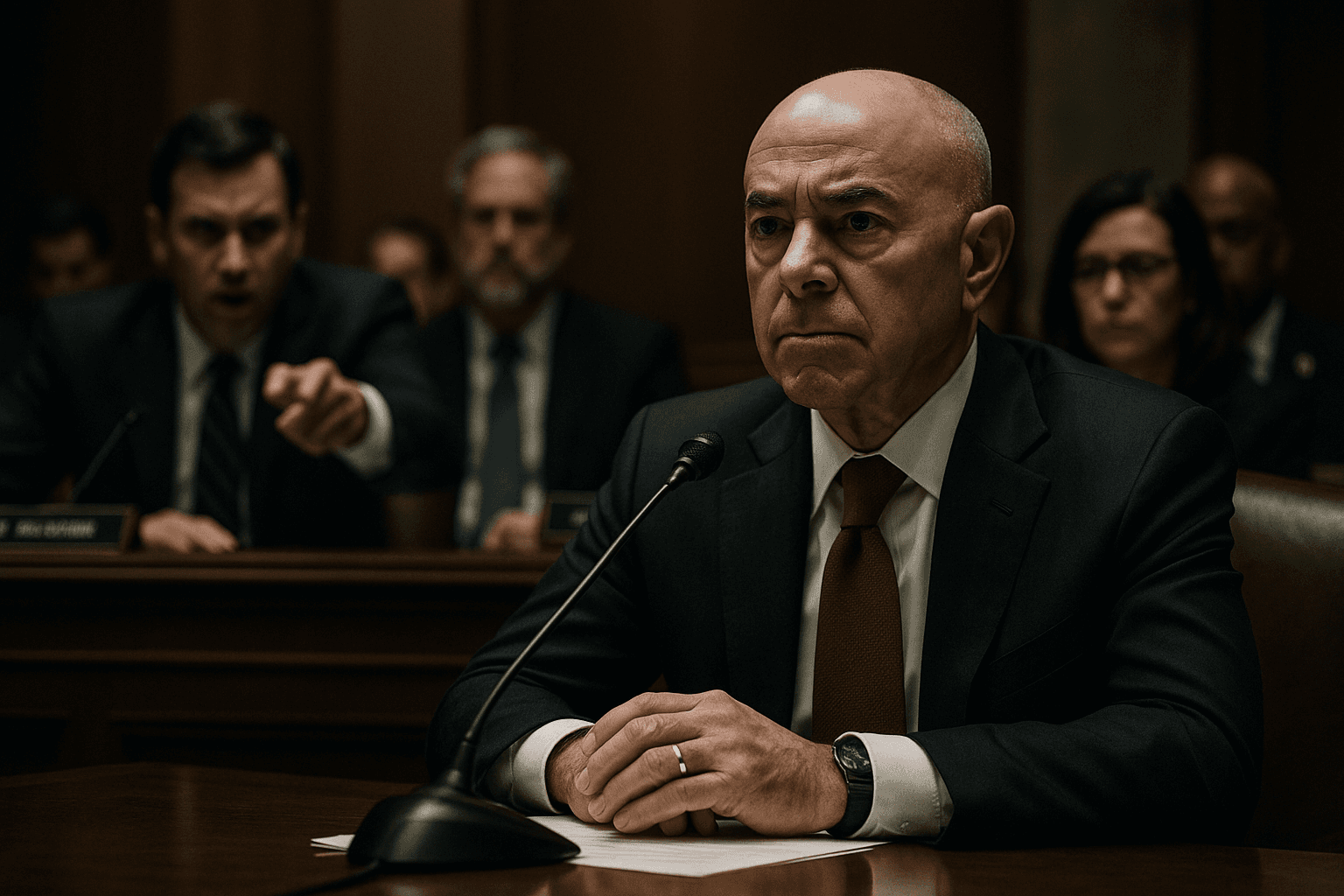
The legal fights have immediate policy and budgetary consequences. If courts limit or strike down the administration’s interpretations, enforcement plans that rely on summary removals could be curtailed, reducing anticipated detainee turnover and altering demand for detention space. Conversely, sustained litigation and expanded detention would press further on DHS fiscal needs at a time when the agency is seeking resources for fiscal year 2026. Those budget pressures could force trade offs between enforcement and other homeland security priorities, potentially affecting procurement and staffing plans across the department.
Economic ripple effects extend beyond the federal ledger. Intensive removal operations can disrupt labor supply in sectors that rely on immigrant workers, push down local economic activity tied to wage earnings and remittances, and affect industries facing tight labor markets. The debate also heightens geopolitical and diplomatic risk with countries from which migrants originate, complicating negotiation of repatriation agreements.
As the hearings proceed and courts weigh the key legal questions, the outcome will shape not only enforcement practice but also longer term trends in immigration policy, federal budgeting, and the availability of labor for U.S. businesses. Major outlets including The New York Times, NPR and Newsweek have chronicled the hearings and the related court orders, underscoring the intersection of constitutional law, administrative authority and economic stakes that makes today’s testimony particularly consequential.
Know something we missed? Have a correction or additional information?
Submit a Tip