Homeland Security to send hundreds more officers to Minnesota amid protests
DHS will deploy "hundreds more" federal officers to Minneapolis-St. Paul to protect ICE and Border Patrol personnel after nationwide protests over a fatal ICE shooting.

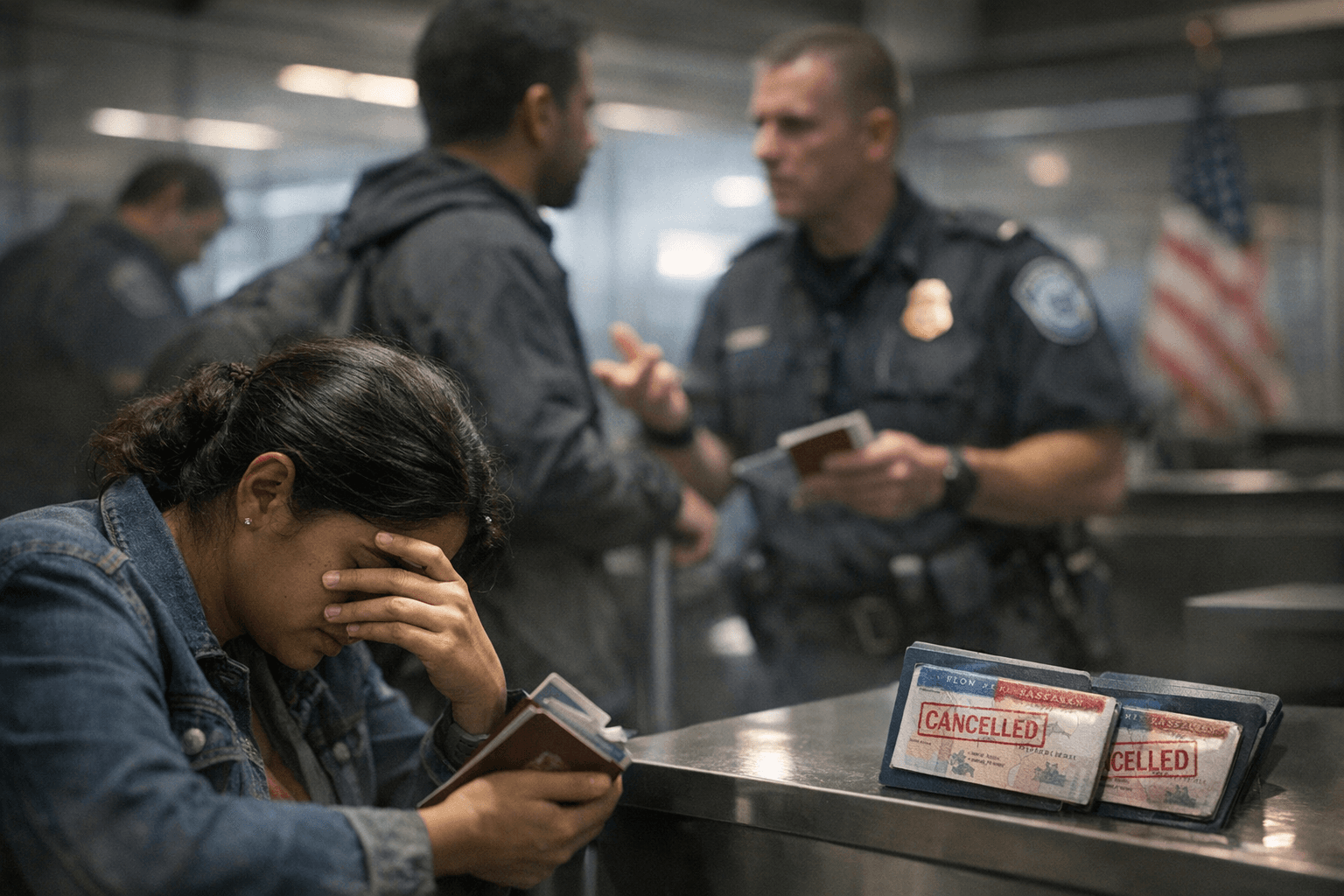
Homeland Security Secretary Kristi Noem said the Department of Homeland Security would send “hundreds more” federal officers to Minnesota to bolster protection for Immigration and Customs Enforcement and U.S. Border Patrol personnel amid mass protests over a fatal ICE shooting. Noem made the announcement on Fox News’ Sunday program and said the additional officers would arrive on Sunday and Monday.
The new arrivals were described as a supplement to an already substantial federal presence in the Minneapolis–St. Paul area. Earlier briefings and local statements outlined a 30-day surge that included roughly 1,500 ICE officers and about 600 Homeland Security investigators, a total near 2,100 federal personnel. Other estimates cited Border Patrol reinforcements that could reach as many as 1,000 agents, though officials have not reconciled whether those figures overlap. Noem characterized the move as intended “to allow our ICE and our Border Patrol individuals that are working in Minneapolis to do so safely,” but she did not provide a precise headcount in the interview.
The deployment follows large protests after an ICE operation in Minneapolis resulted in the death of 37-year-old Renee Nicole Good. Local officials say Good was shot while in her vehicle during the operation; Minnesota authorities have opened a state investigation and say bystander video shows Good’s vehicle turning away from the agent as shots were fired. The shooting prompted tens of thousands to march in Minneapolis and spurred more than 1,000 rallies planned nationwide that weekend, turning local unrest into a national flashpoint over immigration enforcement and use of federal agents.
The event has intensified a dispute between federal and state officials over both the conduct that led to the shooting and subsequent investigative cooperation. The federal government and Noem have defended the ICE officer involved, with officials asserting that Good attempted to run the officer over with her vehicle; Noem has publicly described Good’s actions as constituting an act of domestic terrorism. Minneapolis Mayor Jacob Frey rejected that characterization. Minnesota officials also say the FBI has declined to cooperate fully with the state investigation, a contention that has heightened tensions over jurisdiction and oversight.
On the ground, the expanded federal presence has included patrols, arrests and confrontations that have fed public concern. Agents were filmed making street arrests and detaining protesters; at least 30 people were taken into custody outside a Minneapolis hotel in one incident. Federal officials have framed the surge as targeting serious offenders, publishing materials they describe as examples of arrests of the “worst of the worst,” while critics warn that aggressive enforcement and broad federal deployments risk escalating unrest and eroding civil liberties.
Beyond the immediate law enforcement implications, the episode carries fiscal and economic consequences for Minneapolis and the surrounding region. Repeated large-scale operations and protests can depress consumer traffic, constrain tourism and add unexpected municipal costs for policing and public safety, complicating a local recovery that has faced persistent headwinds since earlier waves of unrest in recent years. The federal push also underscores a broader policy trend under the current administration toward using federal immigration agents in domestic security roles, raising questions about long-term oversight, intergovernmental coordination and the balance between enforcement and community trust.
With the state investigation ongoing and additional federal officers arriving, the situation in Minneapolis remains fluid. Officials on both sides have signaled they will pursue their respective inquiries and enforcement priorities, leaving the city to navigate heightened security, political conflict and the economic fallout of sustained unrest.
Know something we missed? Have a correction or additional information?
Submit a Tip