State Department revokes more than 100,000 visas, signaling enforcement shift
The State Department announced a record more than 100,000 visa revocations since Jan. 20, 2025, citing public safety; legal experts warn of due process and economic fallout.
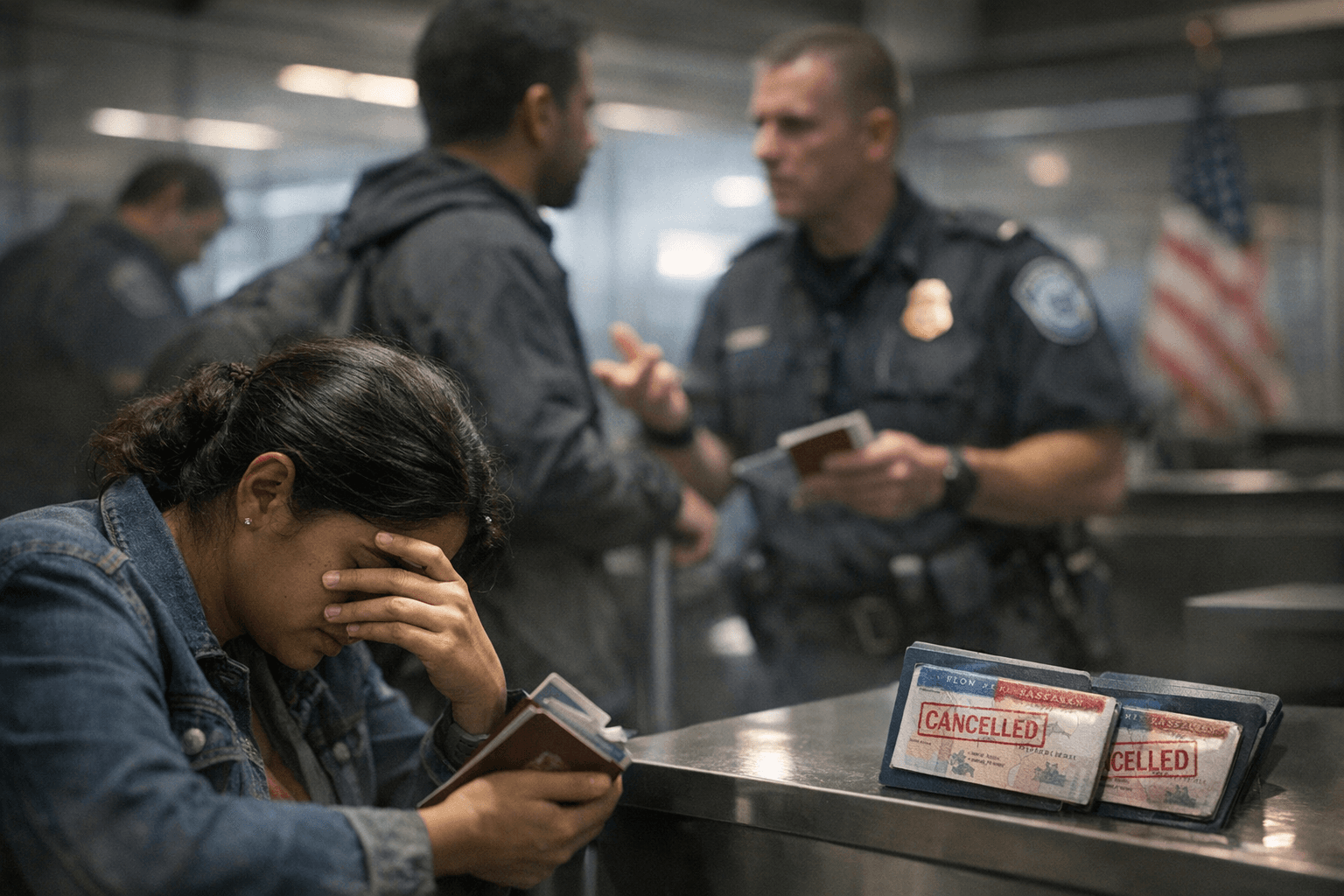
The State Department announced on Jan. 12 that it has revoked more than 100,000 visas since President Donald Trump returned to the White House on Jan. 20, 2025, calling the total a record single-year tally and a dramatic rise from the prior year. Officials framed the revocations as part of a broader immigration-and-public-safety enforcement push and signaled tighter ongoing screening of foreign nationals in the United States.
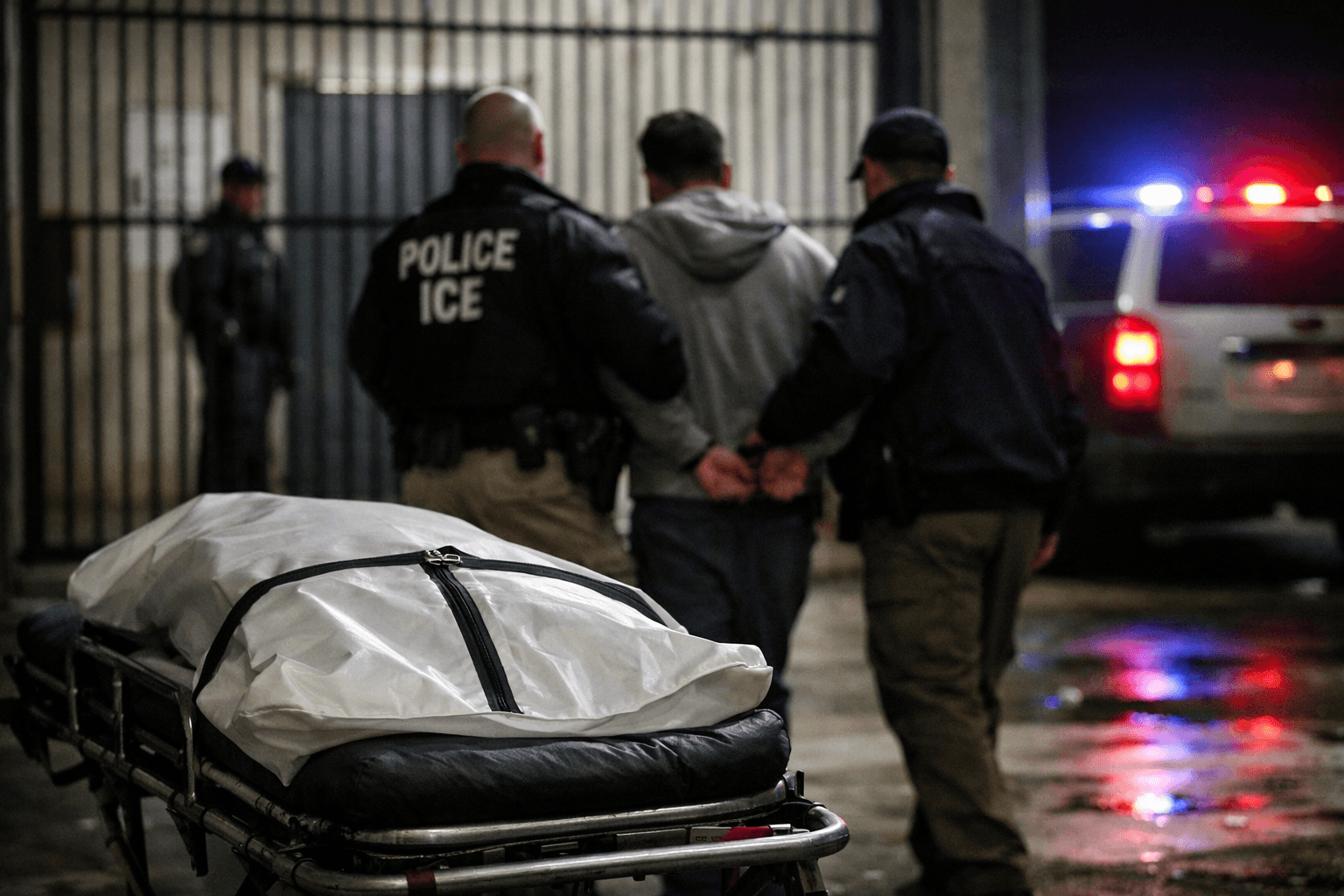
The department posted the figure on social media and reinforced it in briefings, including language that said, “We will continue to deport these thugs to keep America safe.” Principal Deputy Spokesperson Tommy Pigott described the revocation effort as roughly 150 percent higher than 2024 levels and said the new Continuous Vetting Center is intended to ensure “all foreign nationals on American soil comply with our laws - and that the visas of those who pose a threat to American citizens are swiftly revoked.”
The department provided several category tallies: about 8,000 student visas and roughly 2,500 specialized worker visas were among those rescinded. Officials also identified overstays, driving under the influence, assault and theft as leading causes; other cited offenses included drug possession and distribution, child abuse, fraud and embezzlement. The largest single categories, officials said, involved business and tourist travelers who overstayed their visas.
The scale and pace of revocations represent an immediate compliance shock for multiple sectors that rely on foreign visitors and talent. The student visa subcount, while a small share of the total, carries outsized economic weight for higher education. International students contribute tuition revenue, housing demand and local spending; sudden losses of thousands of enrollments would reduce campus income and could prompt program cuts or higher tuition for domestic students. The loss of about 2,500 specialized worker visas risks labor disruptions in firms that depend on foreign-skilled employees, increasing recruitment and replacement costs and potentially slowing technology and engineering projects.
Tourism and business travel exposure is also material. If enforcement discourages short-term visitors or creates processing delays, hotels, restaurants and airlines could see weaker bookings and downward pressure on revenues in major gateway cities. Firms that sponsor visas may face higher compliance costs and legal liabilities as vetting expands to include social-media screening and continuous monitoring.
Immigration attorneys and advocates have raised due-process concerns, noting that arrests do not equal convictions and that revocations have occurred even when charges were later dismissed. Those advocates and civil-liberties groups have urged the department to publish detailed methodologies and data on appeals, reinstatements and outcomes where legal charges are resolved in favor of visa holders.
The administration framed the policy as discretionary enforcement. White House Press Secretary Karoline Leavitt said, “Having a visa in the United States is not a right, it is a privilege.” That posture underscores a long-term shift toward enforcement-driven immigration policy that could alter talent flows and the attractiveness of the United States as a destination for students, tourists and skilled workers.
For markets and policymakers, the immediate questions are empirical: how many revocations translate into lost economic activity, how many are appealed or reversed, and whether the vetting changes increase processing times and business uncertainty. Greater transparency from the State Department on offense categories, visa types and appeal outcomes will be essential to quantify the economic impact and to balance public-safety objectives with the fiscal and labor-market consequences of a markedly more aggressive visa posture.
Know something we missed? Have a correction or additional information?
Submit a Tip