House Approves Record 901 Billion Defense Bill, Senate Next
The U.S. House approved a sweeping defense authorization today, clearing a path for a $901 billion military budget that its backers say strengthens troops and allied security. The vote matters to taxpayers, military families, and communities who will feel both the economic impact and the policy choices embedded in the package.
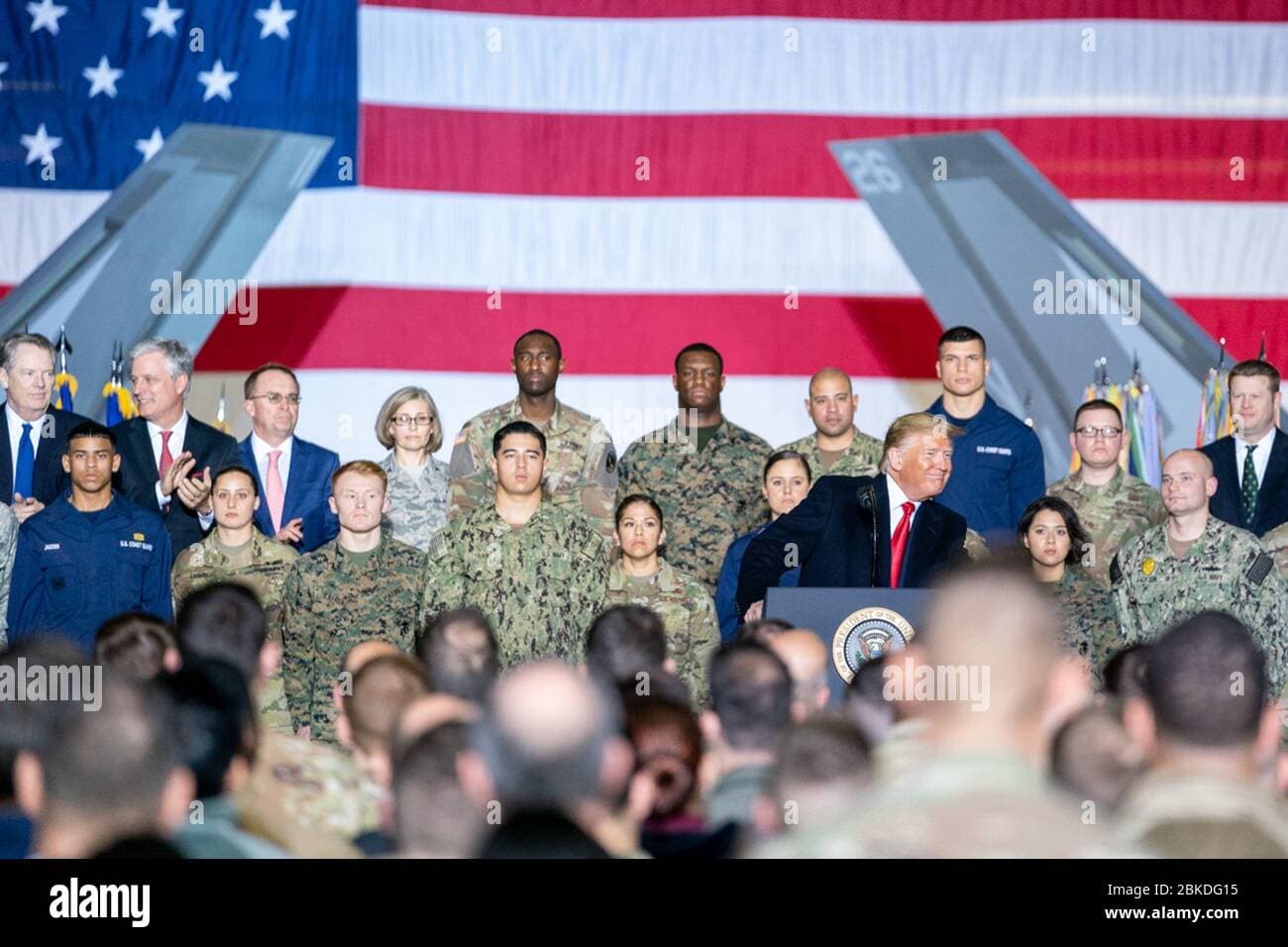
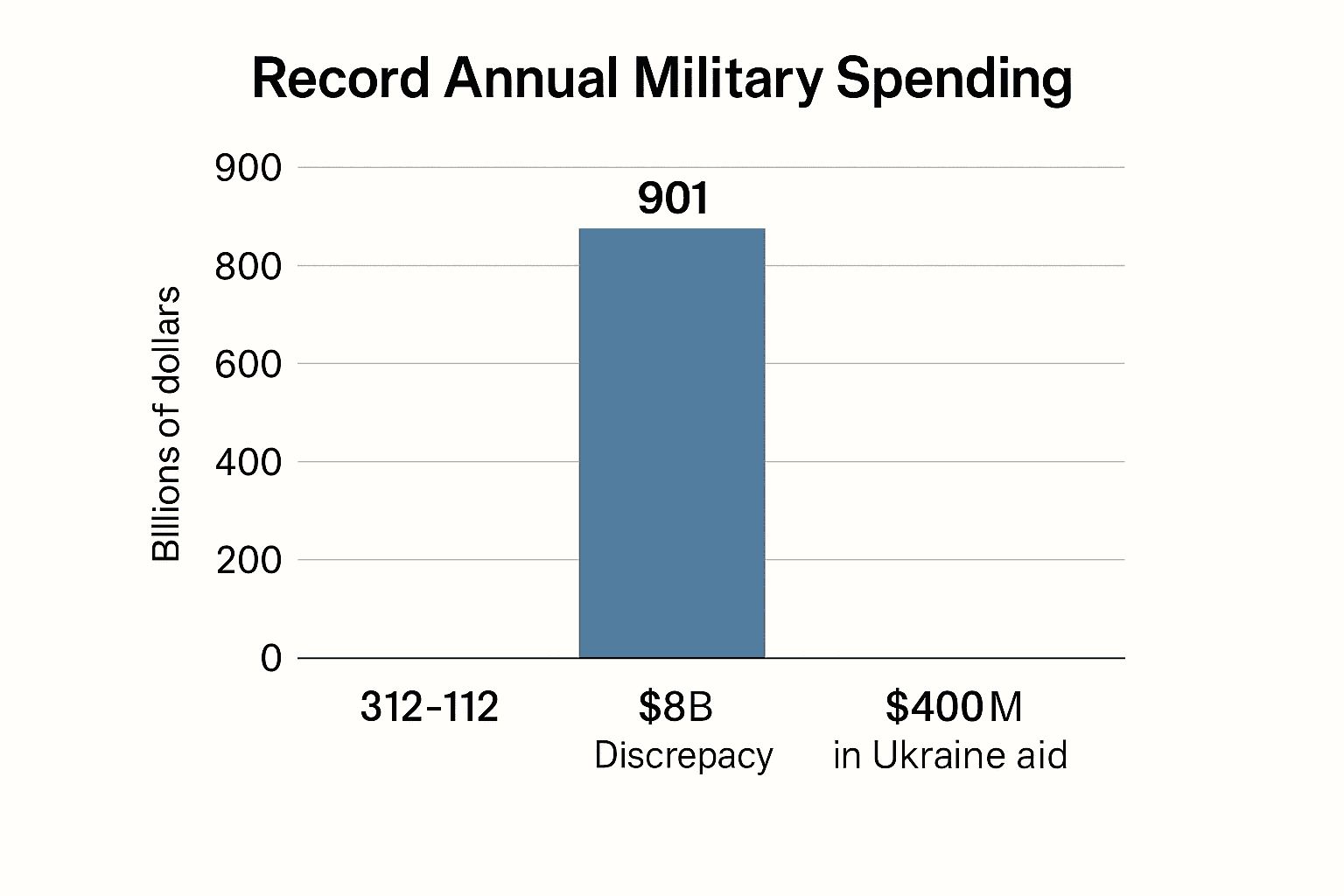
The House of Representatives voted 312 to 112 today to approve the National Defense Authorization Act for fiscal year 2026, authorizing a record 901 billion dollars in annual military spending and sending the sprawling 3,086 page bill to the Senate for what is expected to be swift final approval. If enacted, the measure will mark the 65th consecutive year Congress has passed its annual defense authorization.
Lawmakers described the bill as a compromise that knits together versions earlier this year from both chambers of Congress, both then controlled by Republicans aligned with former President Donald Trump. The legislation exceeds Mr. Trump’s original budget request this year by 8 billion dollars and includes provisions aimed at strengthening U.S. commitments overseas and improving conditions for service members at home.
The NDAA allocates 400 million dollars in military assistance to Ukraine in each of the next two years, a provision that underlines continued bipartisan support for Kyiv as it resists Russian aggression. Supporters argue that the funding bolsters allied defenses in Europe and deters broader conflict, while critics warn of long term expenditure risks and the need for clearer exit strategies.
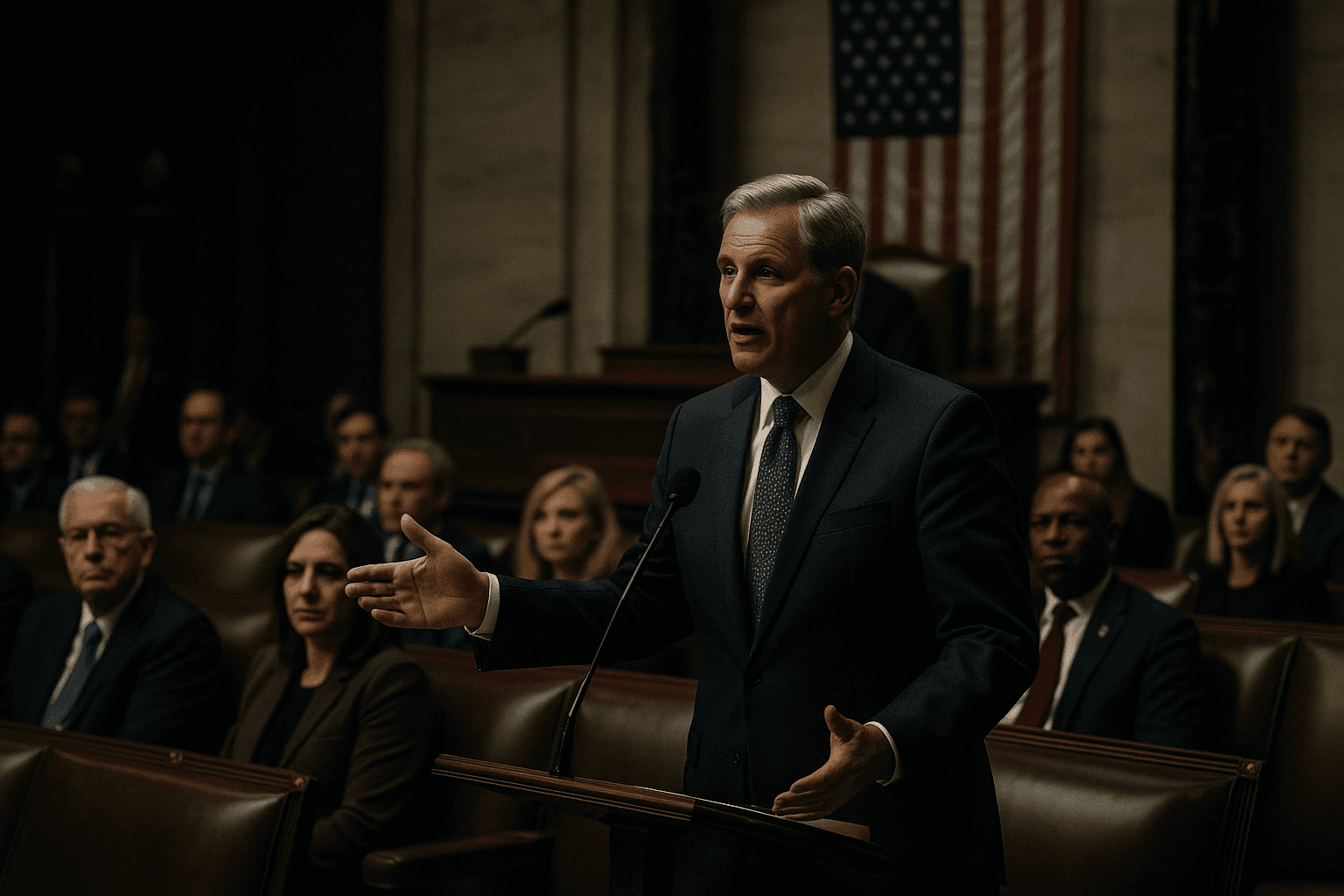
Domestic provisions target service member pay and housing, including a 4 percent pay raise and investments intended to address chronic problems with military base housing. The legislation omits coverage for fertility treatments, including embryo transfers for in vitro fertilization, a healthcare benefit that advocates and many military families have sought. That omission reflects opposition from House Speaker Mike Johnson of Louisiana and underscores the political limits on expanding military health benefits.
Representative Adam Smith of Washington, the top Democrat on the House Armed Services Committee, urged colleagues to support the measure while signaling reservations. I do support this bill. This does not mean that I do not have concerns. I do, he said in remarks on the floor before the vote.
Public health and social equity questions accompany the bill. Excluding fertility care from military family insurance leaves many service members unequal access to treatments that civilian employer plans increasingly cover, deepening disparities for lower income families and those stationed overseas. Improvements to housing and the pay raise may ease some social determinants of health for service households, but advocates note that structural problems remain, from mental health access to the cost burdens of childcare and medical care not covered by the Defense Health Agency.
As Congress moves the NDAA to the Senate, lawmakers face decisions about how a record defense budget fits into broader federal priorities including veterans health, pandemic preparedness, and domestic social programs. President Donald Trump has said he will sign the bill once it reaches the White House, setting the stage for implementation of its provisions and for continued debate over where national security and social welfare intersect in federal policy.
Sources:
Know something we missed? Have a correction or additional information?
Submit a Tip