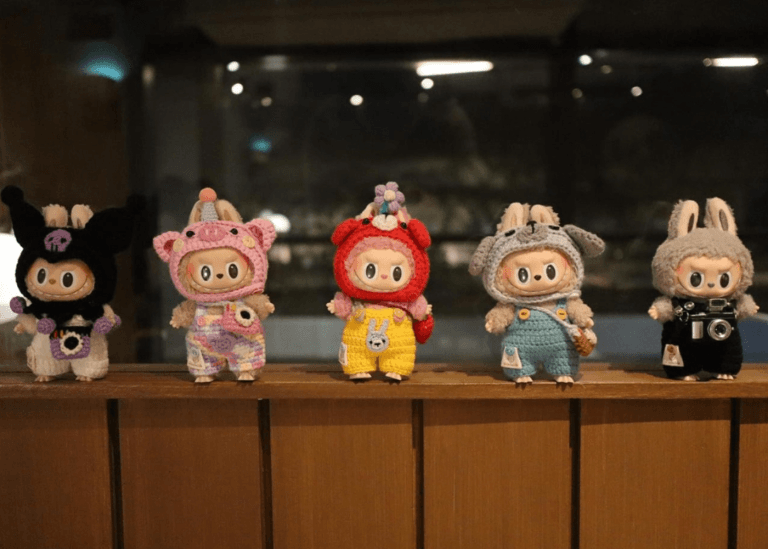
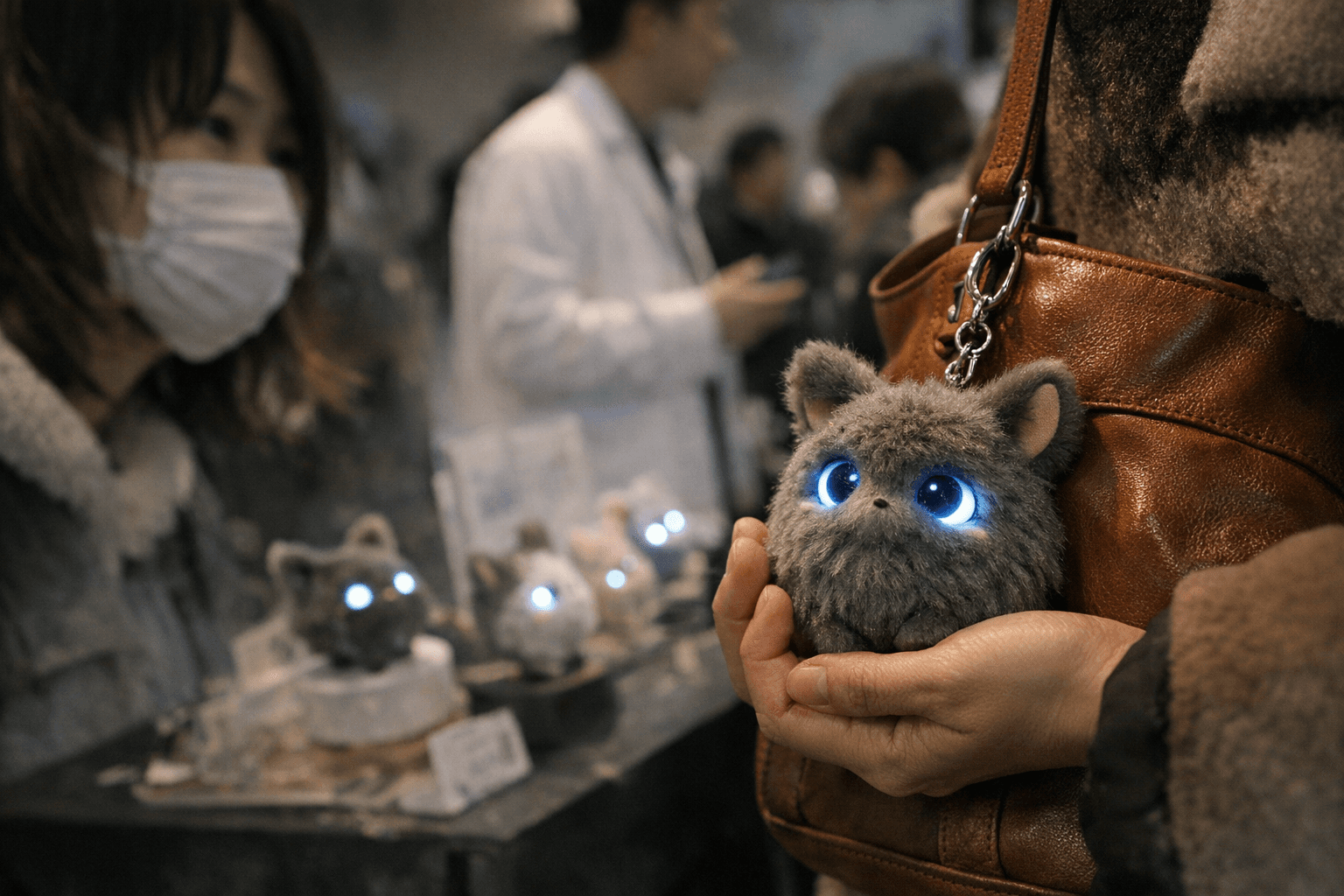
How Labubu Became a Global Collectible Phenomenon and What to Watch
Labubu, a character created by Hong Kong–born artist Kasing Lung, has grown from 2015 picture books into a worldwide collectible trend driven by Pop Mart blind boxes, celebrity visibility, and social media unboxing culture. Rapid demand between 2024 and 2025 pushed prices up, fueled secondary-market premiums, and raised concerns about counterfeits and aggressive reseller behavior—making careful authentication and buying strategy essential for collectors.
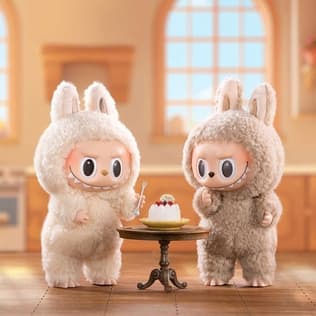
Labubu’s rise is a case study in how intellectual property, marketing mechanics, and influencer visibility combine to create a modern collector craze. The character first appeared in picture books starting in 2015, often referred to as The Monsters or a Fairy Trilogy. Labubu’s design—small, furry, pointed ears and a toothy grin—moved from page to shelf as Pop Mart and other designer-toy houses licensed vinyl figures and plush versions that quickly sold out in blind-box drops and limited releases.
Between 2024 and 2025 the brand reached a tipping point. Pop Mart’s blind-box and limited-release model, celebrity sightings including K-pop and Western performers, and a robust social-media unboxing culture drove global demand. That surge sent some items to significant premiums on the secondary market and prompted community conversations about availability, fairness, and the true cost of collecting.
Collectors now encounter three recurring dynamics: blind-box randomness and chase variants, seasonal or limited tie-ins that create time-sensitive demand, and a secondary market where resellers can push prices well above retail. In some markets these dynamics have opened the door for counterfeiters and problematic reseller behavior, making authenticity and source verification more important than ever.
Verify official branding and packaging before buying to reduce risk. Authentic Pop Mart products usually show consistent box design and clear QR or scratch codes that scan as expected. Counterfeit markers often include low-quality printing, flawed or nonfunctional QR codes, and accessories that do not match official images. Inspect accessories and printed details against known official release photos whenever possible, and prioritize purchases from established retailers or authorized sellers. On the secondary market, prefer sellers with robust feedback histories and clear return policies.
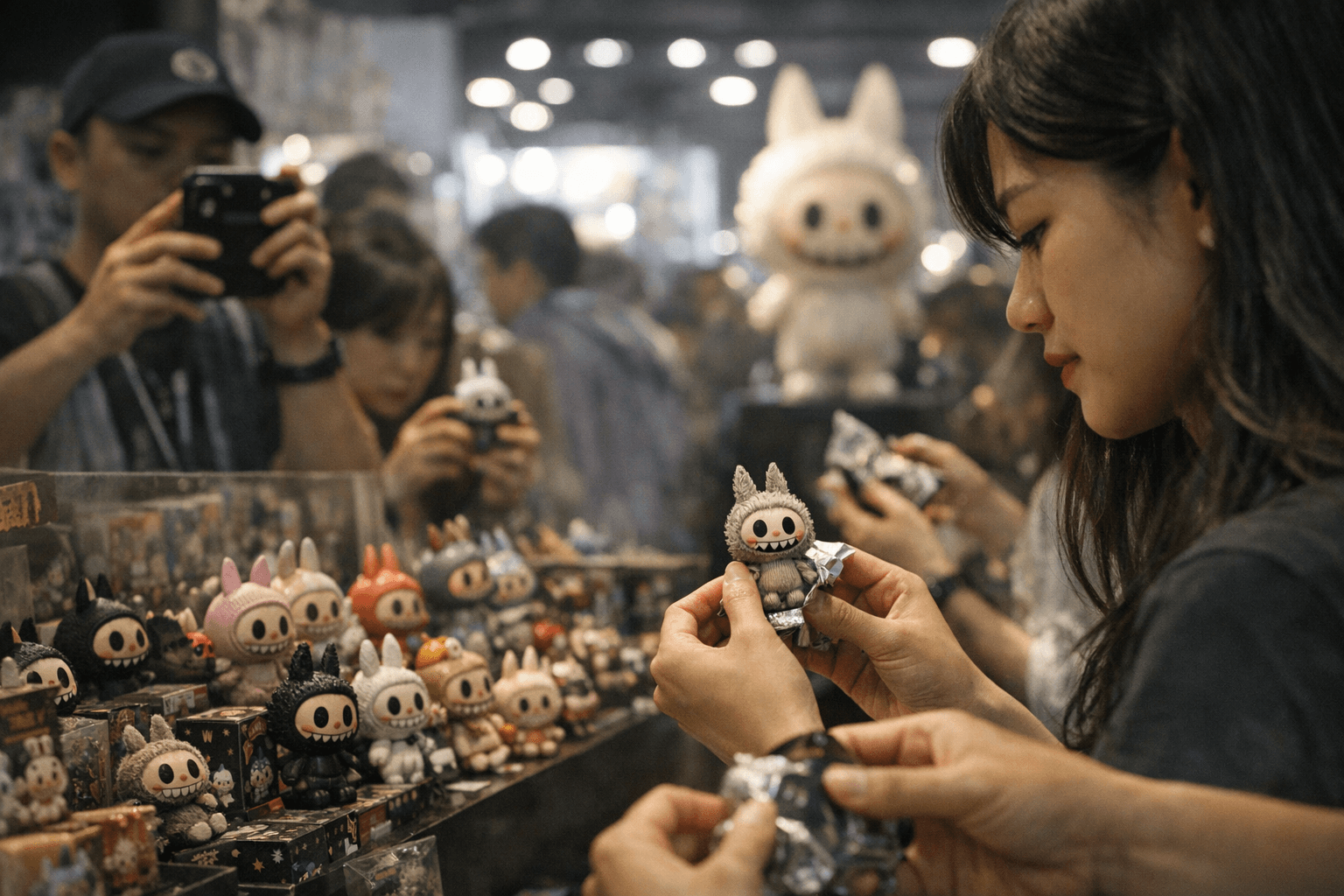
Community relevance goes beyond individual transactions. Local events, swap meets, and online collector groups can provide verification help, trading opportunities, and calmer alternatives to bidding wars. Track seasonal releases to plan purchases, and consider trading duplicates rather than engaging with high-priced resellers.
Labubu’s story illustrates a broader trend in collecting culture: compelling character design plus scarcity mechanics and influencer amplification can generate rapid, global fandom. For collectors, the practical takeaway is simple—know how to spot authentic packaging, be deliberate about where you buy, and use community networks to protect both your collection and your wallet.
Sources:
Know something we missed? Have a correction or additional information?
Submit a Tip