Humboldt Demonstrators Demand Congressional Oversight After Venezuela Operation
On January 6, local activists gathered peacefully outside the Humboldt County Courthouse to call for Congressional oversight and to protest recent U.S. military operations in Venezuela tied to the reported capture of President Nicolás Maduro. The demonstration underscores local concern about executive military action, the limits of congressional authority, and the role of civic pressure in shaping federal accountability.
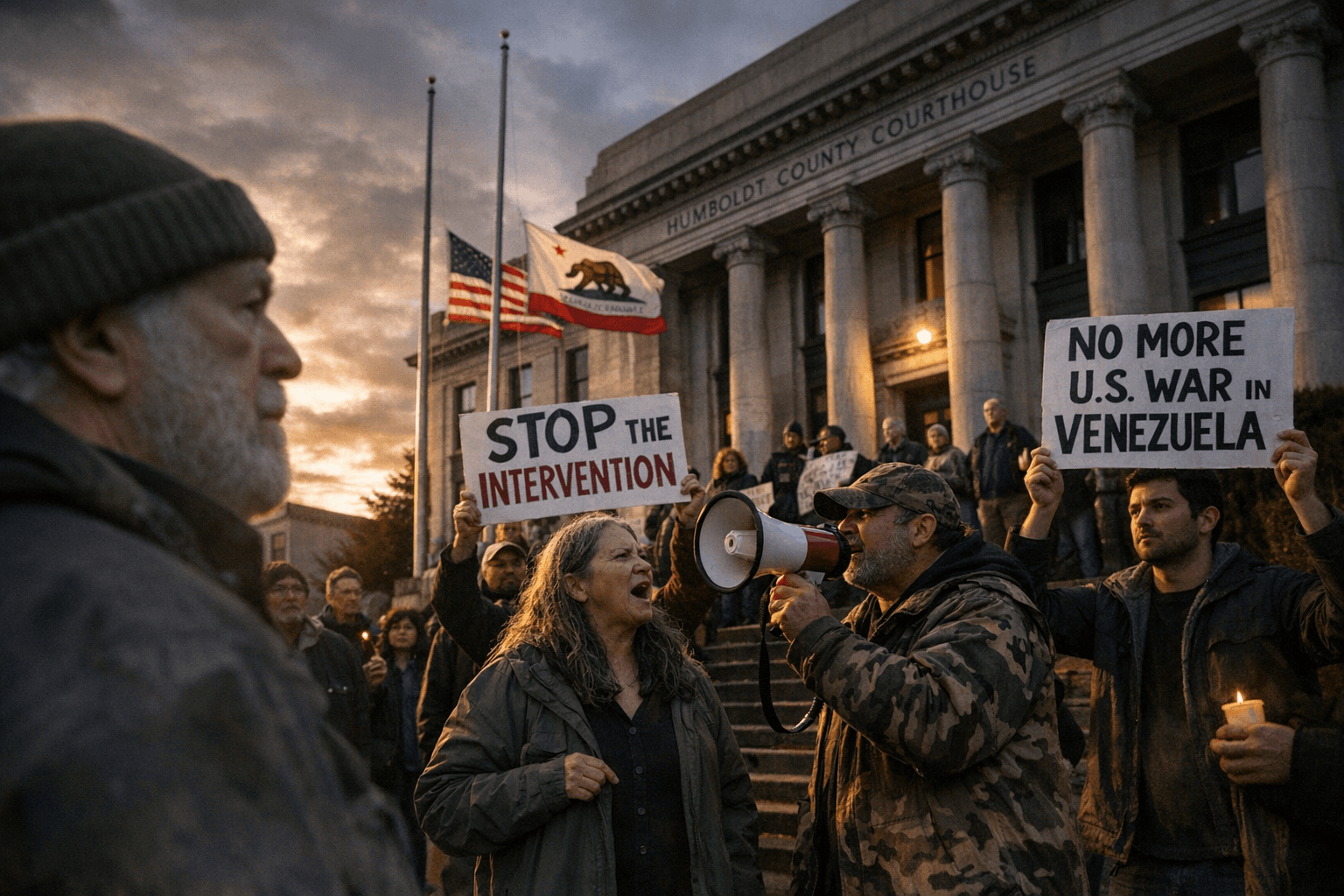
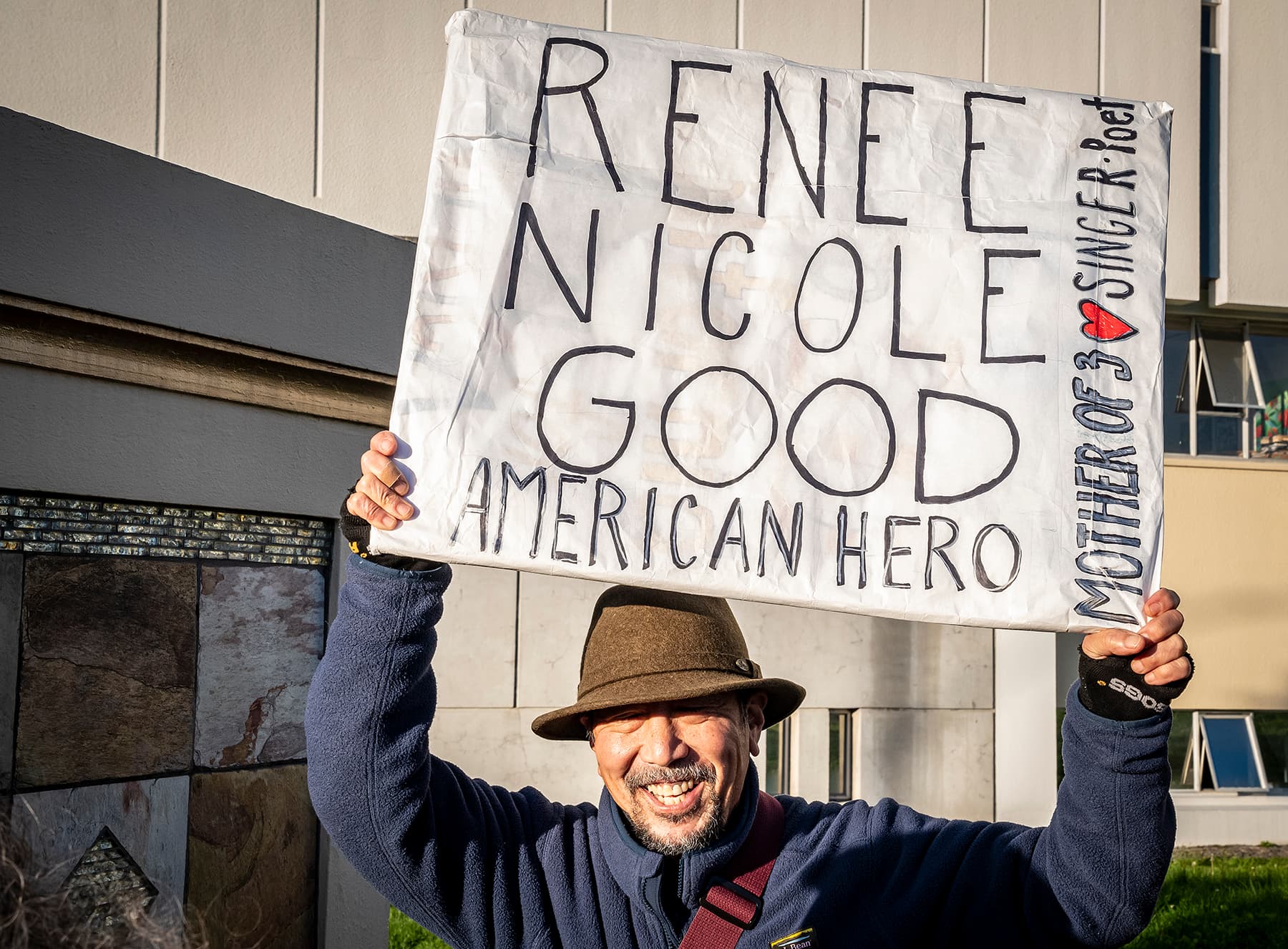
On January 6, 2026, a group of demonstrators assembled outside the Humboldt County Courthouse to press elected officials for scrutiny of recent U.S. military operations in Venezuela. Participants included local activist organizations such as Women in Black and Raging Grannies. Protesters carried Venezuelan flags and handmade signs and urged passing motorists to honk in support. Organizers kept the event peaceful, and as of early afternoon the gathering remained orderly.
The demonstration was organized in direct response to a major international incident: reports of the capture of Venezuelan President Nicolás Maduro following U.S.-linked operations. That development has prompted a range of legal and diplomatic reactions at the national and international levels, with officials and institutions offering differing assessments of the operation’s legality, diplomatic consequences, and implications for U.S. foreign policy.
The Humboldt County demonstration placed those broader debates in a local context. Protesters demanded that Congress exercise its oversight responsibilities over military deployments, funding and the use of force. For residents of Humboldt County, those demands touch on the constitutional balance between the executive and legislative branches, the accountability of military operations conducted overseas, and the transparency of decision making that can lead to international escalation.
Institutionally, the event highlights the central policy question: whether Congress will assert its authority through hearings, subpoenas or other oversight tools to review the factual basis and legal justification for the operation. Such processes would examine statutory authorizations, the role of intelligence assessments, and the civilian leadership’s decision making. The outcome could affect future deployments and the standards used to approve them, with downstream effects on defense spending and diplomatic posture.
Civic engagement was a clear aim of the gathering. By mobilizing in front of the courthouse and seeking public acknowledgment via passing motorists, activists sought to translate concern into pressure on lawmakers. Local demonstrations can influence how constituents engage with their representatives at the federal level, including by prompting calls, emails and attendance at town halls focused on oversight and foreign policy.
For Humboldt County residents, the demonstration was both a protest and a prompt: it signaled local expectations that national actions with global consequences be subject to democratic oversight and legal scrutiny. Whether Congress responds with formal review will determine how accountability mechanisms are tested in the weeks and months ahead.
Sources:
Know something we missed? Have a correction or additional information?
Submit a Tip