Hunters Provide Venison to Food Banks, Strengthening Local Food Security
On December 10, Montana Fish, Wildlife & Parks highlighted the Hunters Against Hunger program, which connects donated hunter harvested game meat with the Montana Food Bank Network for distribution to families in need. The program routes donated venison and other game through participating meat processors so food banks can offer safe, locally sourced protein during the winter months.

Montana Fish, Wildlife & Parks and the Montana Food Bank Network reinforced the Hunters Against Hunger program on December 10, a partnership that channels donated hunter harvested game to food banks across the state. Donated venison and other game are taken to participating meat processors, where they are processed for safety and food handling standards, then distributed through food bank networks to households facing food insecurity.
For Lewis and Clark County residents, the program can boost availability of high quality protein at a time when demand for food assistance typically rises. Local food banks rely on a mixed supply of donated and purchased items, and game meat donations help stretch limited budgets while offering a nutrient dense option for families, seniors and others with constrained resources. Processing through licensed facilities reduces public health risk by ensuring meat is handled according to food safety standards before it reaches distribution sites.
The initiative exemplifies a state government and nonprofit partnership that leverages existing hunting traditions to address hunger and strengthen community resilience. By providing a pathway for hunters to donate legally harvested animals, the program integrates wildlife management, food safety and social services. That coordination also highlights gaps that affect equitable access, including the need for sufficient processing capacity, transportation and funding to move meat from processors to distribution sites, particularly in rural communities.
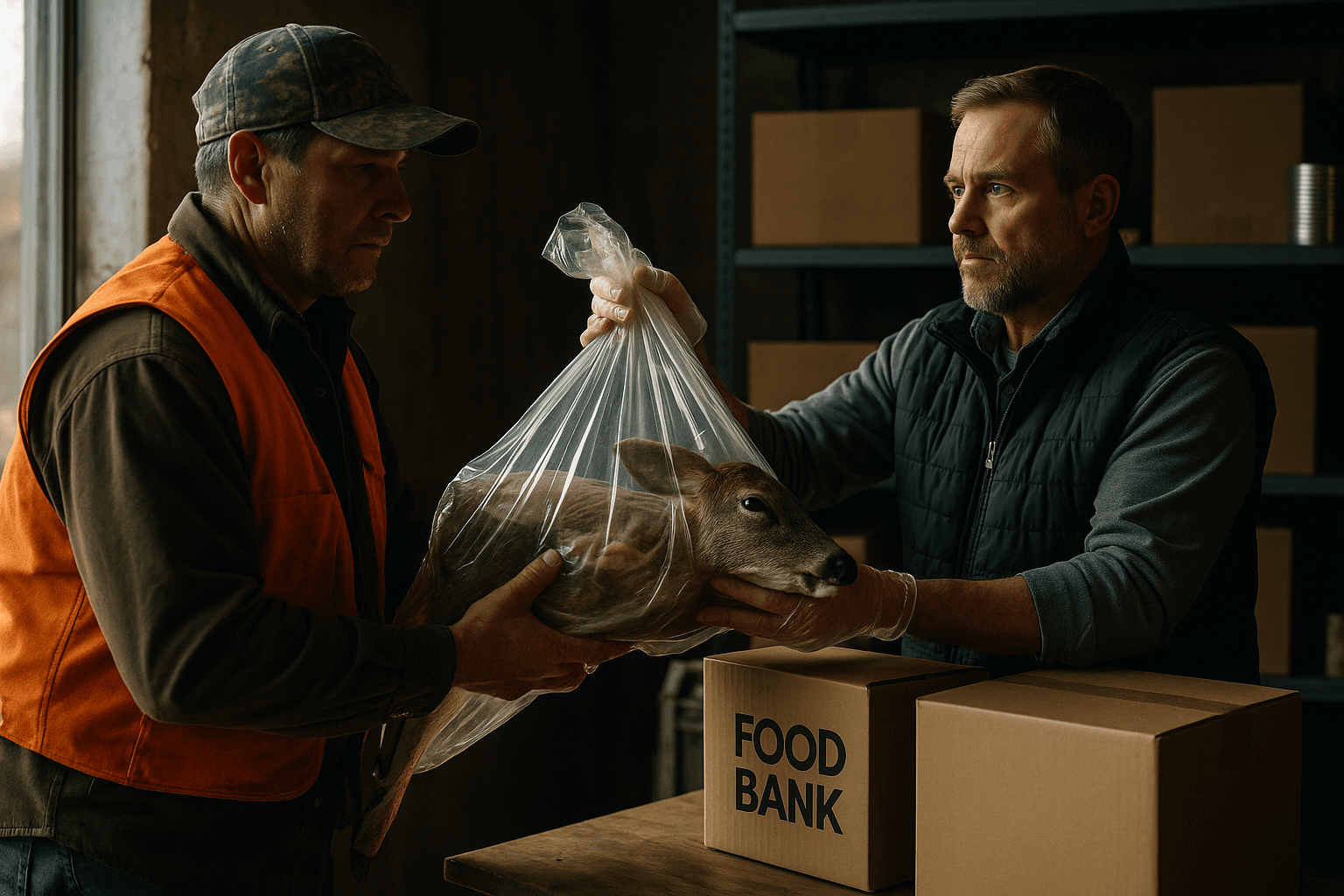
Public health officials emphasize that processing at participating facilities is a critical step that protects recipients from foodborne illness and ensures consistent portioning for food bank distribution. For public health and social equity advocates, the program reduces waste of edible protein, supports culturally familiar foodways for some residents, and channels community resources to people who need them most.
Hunters in Lewis and Clark County who wish to participate can donate harvested game through the program by taking animals to participating meat processors that accept donations for distribution to the Montana Food Bank Network. Strengthening local participation and processor capacity will be important in coming seasons to expand reach and ensure the benefits of donated game meat are shared across communities that are most affected by food insecurity.
Sources:
Know something we missed? Have a correction or additional information?
Submit a Tip