Icy Roads and Winter Advisory Impact Lewis and Clark County
Freezing rain tapered on December 12 and the National Weather Service issued a Winter Weather Advisory for parts of central Montana, including Lewis and Clark and Broadwater counties. The event produced icy roads and hazardous travel in the Helena Valley and prompted local agencies to respond to slick surfaces and reduced visibility from subsequent snow bands.
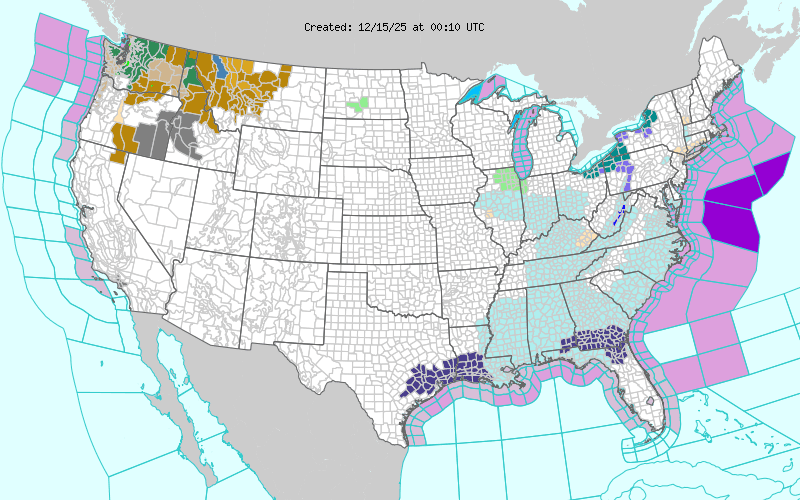
On December 12 a bout of freezing rain moved through southwest and portions of central Montana and then tapered, prompting the National Weather Service Great Falls office to place parts of central Montana under a Winter Weather Advisory. The advisory covered Lewis and Clark and Broadwater counties and specifically called out the Helena Valley as an area where freezing rain accumulations on untreated surfaces could make travel hazardous. Later the same period forecasters warned that additional snow was expected across north central Montana, creating alternating periods of freezing rain and snow that reduced visibility and complicated road treatments.
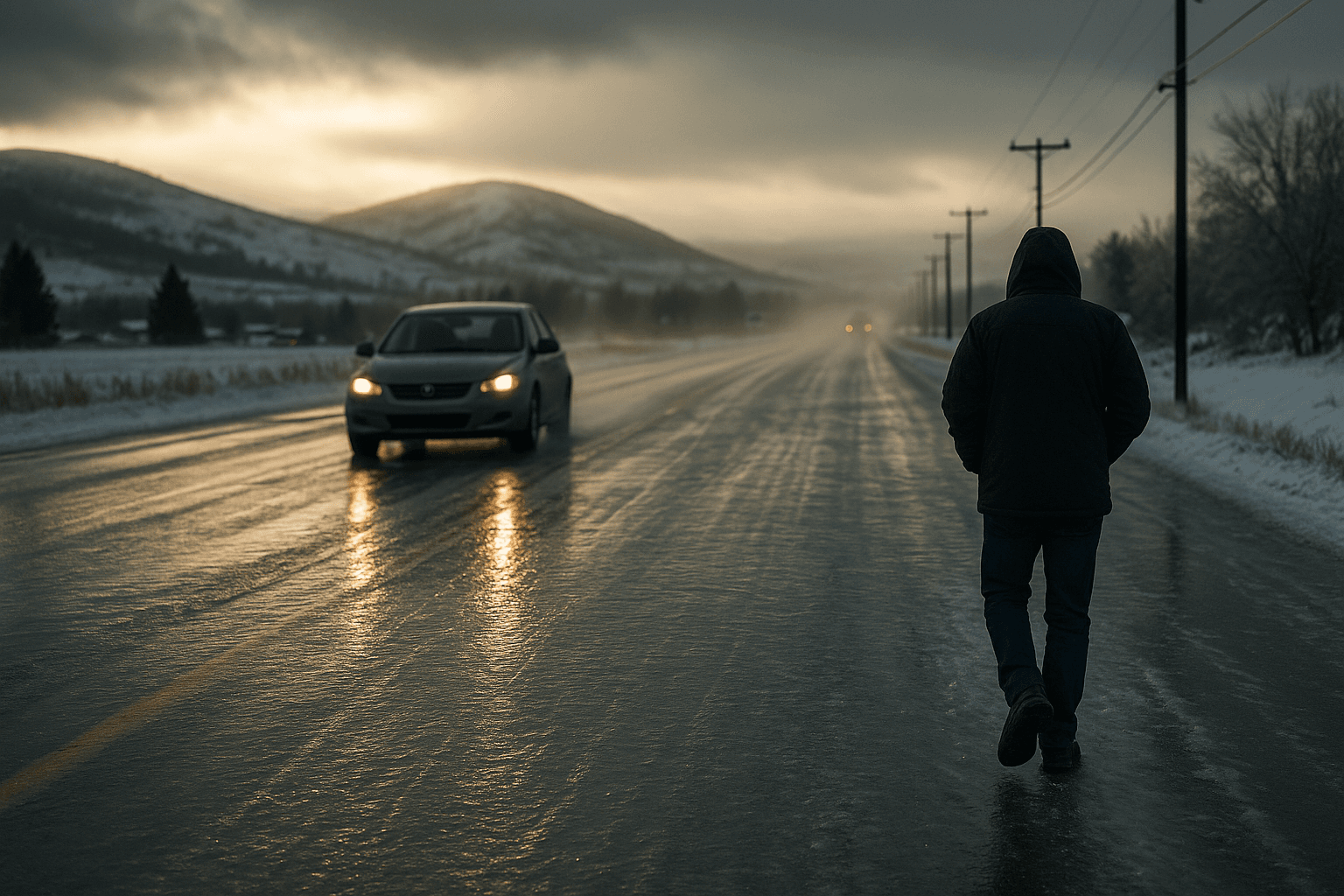
Local travel impacts were immediate. Road crews faced slick surfaces from freezing rain deposits and compacted snow in bands that limited visibility. The combination of reduced traction and intermittent white out conditions increased the risk of collisions and travel delays, particularly on routes into Helena and between county communities. Emergency services and public works departments were placed on alert to respond to incidents and to prioritize critical corridors for deicing and plowing. Residents were advised to check the latest National Weather Service statements and local road updates before traveling.
The economic implications for Lewis and Clark County are practical and measurable even without final cost tallies. Short term effects include higher municipal overtime, greater usage of road salt and sand, and slower retail and service activity during the hazardous period. For industries that rely on timely deliveries, including grocery supply and construction materials, the episode likely produced scheduling disruptions and modest cost increases. Over the longer term, repeated winter events with alternating freezing rain and snow raise pressure on county maintenance budgets and infrastructure planning, as sustained treatments accelerate wear on pavement and equipment.
Looking ahead, officials will monitor forecasts for additional snow and any renewed freezing precipitation. For now the priority remains public safety, clearing key roadways, and communicating evolving conditions to residents. Check National Weather Service updates and local road reports for the latest information before traveling.
Sources:
Know something we missed? Have a correction or additional information?
Submit a Tip