IAEA Finds Chornobyl Shelter Compromised After Drone Strike
The International Atomic Energy Agency says its inspection has found the New Safe Confinement at the Chornobyl site degraded by earlier drone damage, and configured in its current state it has lost some primary safety and confinement functions. The finding underscores renewed international concern about the vulnerability of nuclear sites in the context of the war in Ukraine, and the IAEA says comprehensive restoration is essential to secure long term safety.
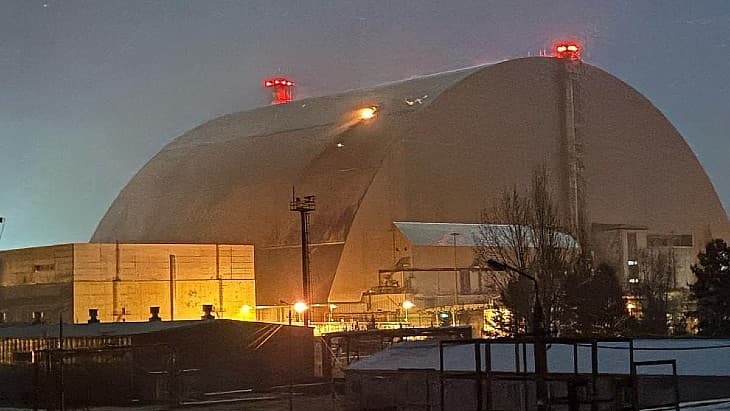
The International Atomic Energy Agency reported on December 6 that an inspection of the New Safe Confinement at the Chornobyl nuclear site has found the protective shelter degraded by drone damage, and that as configured it has lost certain primary safety and confinement functions. While the agency said load bearing structures and monitoring equipment were not permanently compromised, and that repairs have been carried out with radiation levels remaining stable, it warned that full restoration is necessary to guarantee long term nuclear safety.
The damage followed a February 2025 drone strike that Ukrainian authorities attributed to Russian forces, an event that drew wide international alarm for the risks posed to nuclear infrastructure in an active conflict zone. The New Safe Confinement was erected in 2016 to enclose the ruined reactor and the original concrete sarcophagus constructed after the 1986 disaster, and to provide a controlled environment for dismantlement and radioactive waste management. The IAEA inspection is the latest international assessment of how hostilities affect the delicate systems that keep decades old radioactive material contained.
The agency said the immediate hazard to the surrounding environment remains low and that on site radiation monitoring showed stable readings following the repairs. Nevertheless, the finding that the shelter has lost some primary safety and confinement capabilities raises acute operational questions about the durability of emergency structures under attack and the capacity of Ukraine and international partners to sustain protective measures during prolonged instability.
Beyond technical evaluation, the IAEA statement will intensify diplomatic pressure on parties involved in the conflict to adhere to international norms that protect civilian infrastructure and limit risks to populations beyond the battlefield. Attacks or damage to facilities that house radioactive material are treated as a special concern under international humanitarian principles because of their potential transboundary consequences. Western capitals and international institutions previously expressed alarm after the February incident, and the new IAEA assessment is likely to renew calls for strengthened protective measures and clearer lines of accountability.
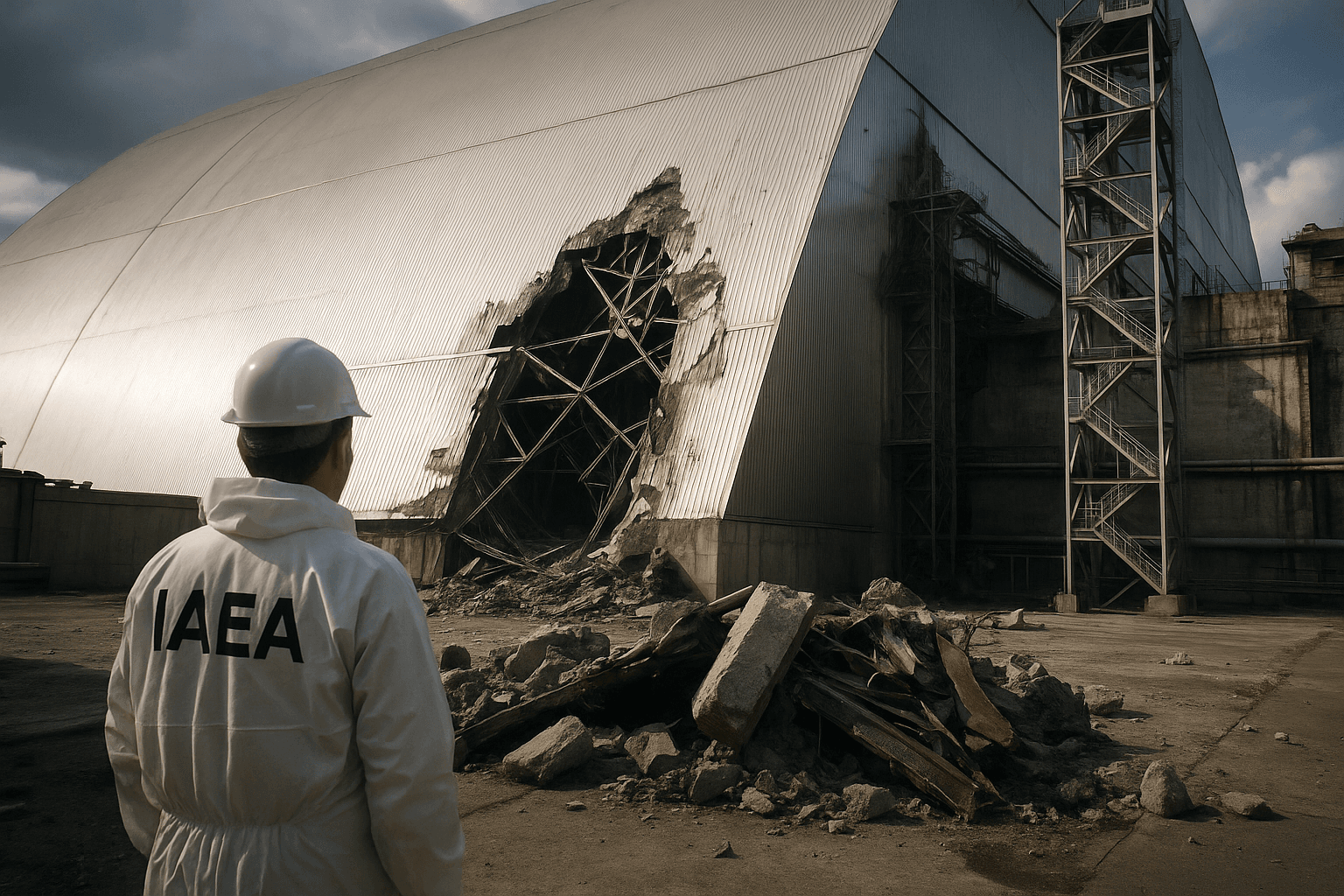
Practical next steps identified by experts and international agencies include comprehensive structural restoration, enhanced remote monitoring and redundancy in critical systems, and increased international funding and technical support to ensure sustained oversight. Coordinating such an effort requires political will and secure access for engineers and inspectors amid continuing hostilities.
The IAEA will remain a central actor in overseeing remediation and advising on technical priorities, but its ability to enforce repair and protection depends on cooperation from national authorities and the wider international community. The agency’s warning that the shelter no longer performs all of its core functions is a stark reminder of how armed conflict can erode decades of technical work to contain radioactive hazards, and of the need for urgent, sustained international action to prevent longer term risks to regional and global safety.