ICE detentions spike to over 3,300 Marylanders in 2025
More than 3,300 Maryland residents were detained by ICE in 2025, roughly doubling prior years. That surge separates Baltimore families from local lawyers and community supports.
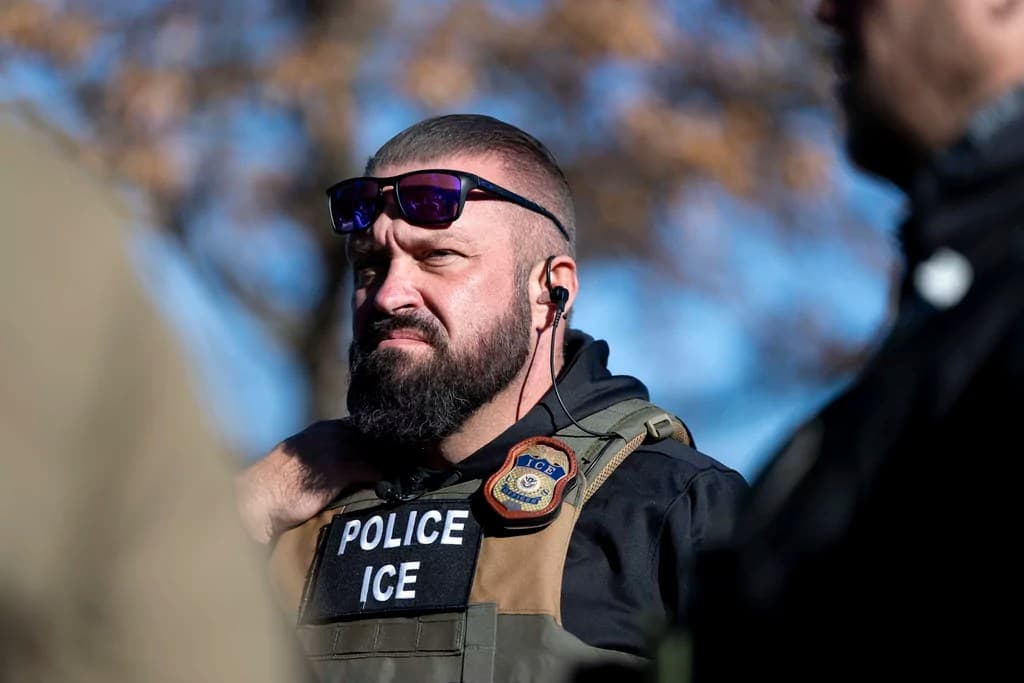
ICE detained more than 3,300 Maryland residents in 2025, a sharp increase that has direct consequences for Baltimore City families, local legal services, and social safety net providers. The number is roughly double recent prior-year totals, and the scale of detentions has strained the practical supports that anchor immigrant communities in the city.
Many people detained in Maryland are processed and then moved to facilities far from their homes and support networks. Transfers to distant centers complicate access to legal counsel, disrupt family contact, and increase the cost and difficulty of visitation. For Baltimore residents fighting immigration cases, being housed hundreds of miles from known lawyers and witnesses can mean delayed hearings, missed meetings, and diminished capacity to mount effective legal defenses.
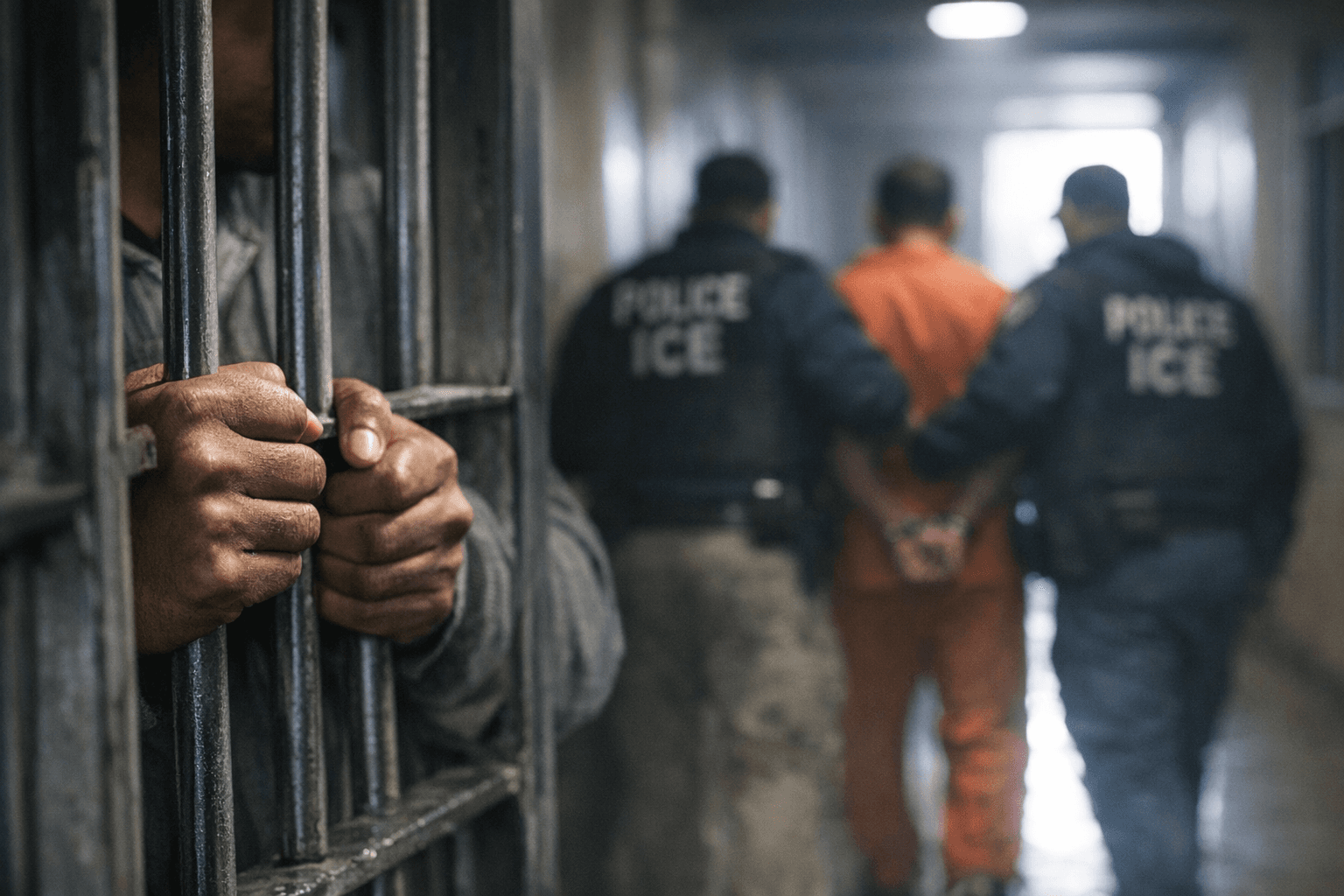
The impact ripples through child care systems, workplaces, and neighborhood networks. When a parent or caregiver is detained and reassigned out of state, schools and local child welfare agencies often confront sudden gaps in oversight and guardianship. Employers lose experienced workers; churches, mosques, and community centers lose volunteers and leaders. Local nonprofits and public defenders are reporting heavier caseloads to fill representation and social service gaps with limited budgets and staffing.
Legal representation is central to immigration outcomes, yet remote detention undermines attorney-client access. In-person meetings, document exchange, and timely court coordination become more complicated when clients are relocated. Phone and video access can help but are not universal substitutes. Travel costs for family members and counsel, restrictions on visitation, and uneven technological access create a practical barrier to due process for many detained Marylanders.
Baltimore's immigrant-serving organizations face the immediate task of triage: helping families connect with detained loved ones, navigating bond and detention review processes when possible, and coordinating with out-of-state facilities. Health and mental health needs for detainees and their families become urgent concerns for local clinics and community health workers who may lack records or authorization to coordinate care across state lines.
Longer term, the surge raises questions for city policymakers and service planners about transportation support, emergency childcare, legal funding, and partnerships with federal and out-of-state facilities to protect access to counsel and family contact. The human consequences are local: friendships, neighborhoods, and livelihoods are interrupted, and that disruption compounds existing inequalities in Baltimore.
Our two cents? If someone you know is affected, act quickly: document relationships, keep copies of identity and immigration papers, reach out to local legal aid and community groups for help with notifications and visitation logistics. Practical steps now can preserve connections and improve the chances of fair process later.
Sources:
Know something we missed? Have a correction or additional information?
Submit a Tip