Officer-involved shooting during Mount Vernon traffic stop under review
An officer discharged a weapon after a traffic stop on West Franklin Street; the driver was wounded and the case is now under active review. Transparency and charging decisions matter to residents.
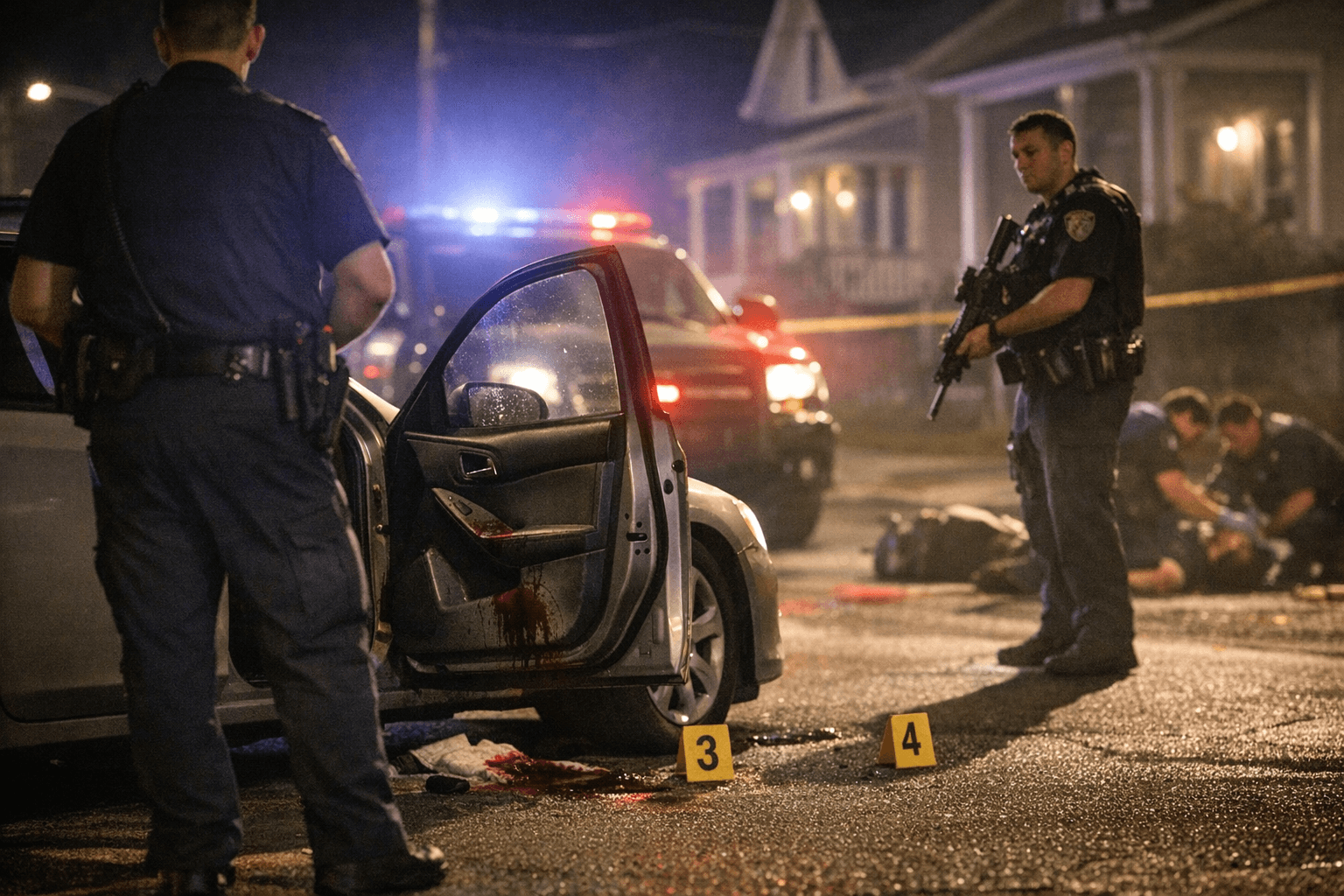
Baltimore Police reported an officer-involved shooting occurred after a traffic stop in the Mount Vernon neighborhood on West Franklin Street on Jan. 8. Officers said they observed a handgun on the waistband of a stopped motorist, identified as 29-year-old Marquise Wells. Police allege the driver accelerated, dragging an officer, and the officer then discharged a firearm. Wells drove himself to a hospital; the officer sustained a hand injury.
The department released surveillance video of the encounter and said investigators are treating the incident as an active case for both charging decisions and policy review. Investigators have warned that additional charges could follow as the probe develops. City authorities have not released details about the precise sequence of movements, the number of shots fired, or the extent of injuries beyond the hospital transport and the officer’s hand injury.
This incident touches on two persistent local concerns: transparency in police operations and how use-of-force decisions are handled. The release of surveillance footage is an early step toward public information, but it does not substitute for independent review or a clear timeline of investigative steps. Charging decisions will be made by prosecutors whose determinations shape whether an officer faces criminal charges; policy review and training adjustments fall within the remit of departmental leadership and the elected officials who oversee public safety priorities.
For Mount Vernon residents and commuters who use West Franklin Street daily, the shooting underscores everyday public-safety tradeoffs. Traffic stops that escalate to violence raise questions about frontline tactics, de-escalation training, and how officers identify and manage perceived threats during brief encounters. They also raise accountability questions for city institutions: who reviews use-of-force, how transparent that review will be, and whether systemic policy changes will follow.
The immediate local impact includes anxiety in a densely trafficked neighborhood, possible disruptions to routine policing as investigators process body and surveillance footage, and heightened scrutiny of the police department’s handling of traffic stops. The longer-term implications hinge on the findings of investigators and any subsequent charging decisions, which in turn will shape public trust ahead of future city discussions about policing policy.
Our two cents? Watch the publicly released video, follow the prosecutor’s review, and bring questions to your council member or oversight meetings. If you want change, show up where charging decisions and policy reviews are debated and make your voice heard.
Sources:
Know something we missed? Have a correction or additional information?
Submit a Tip