Illegal BHO Lab Found Near Marcola, Hazardous Response and Code Review
Deputies executing a search warrant north of Marcola discovered multiple clandestine extraction labs and evidence of psilocybin product manufacturing, prompting hazardous materials response and a land management review. The discovery highlights ongoing public safety risks from homemade extraction operations and raises questions about enforcement, emergency response capacity, and community oversight.

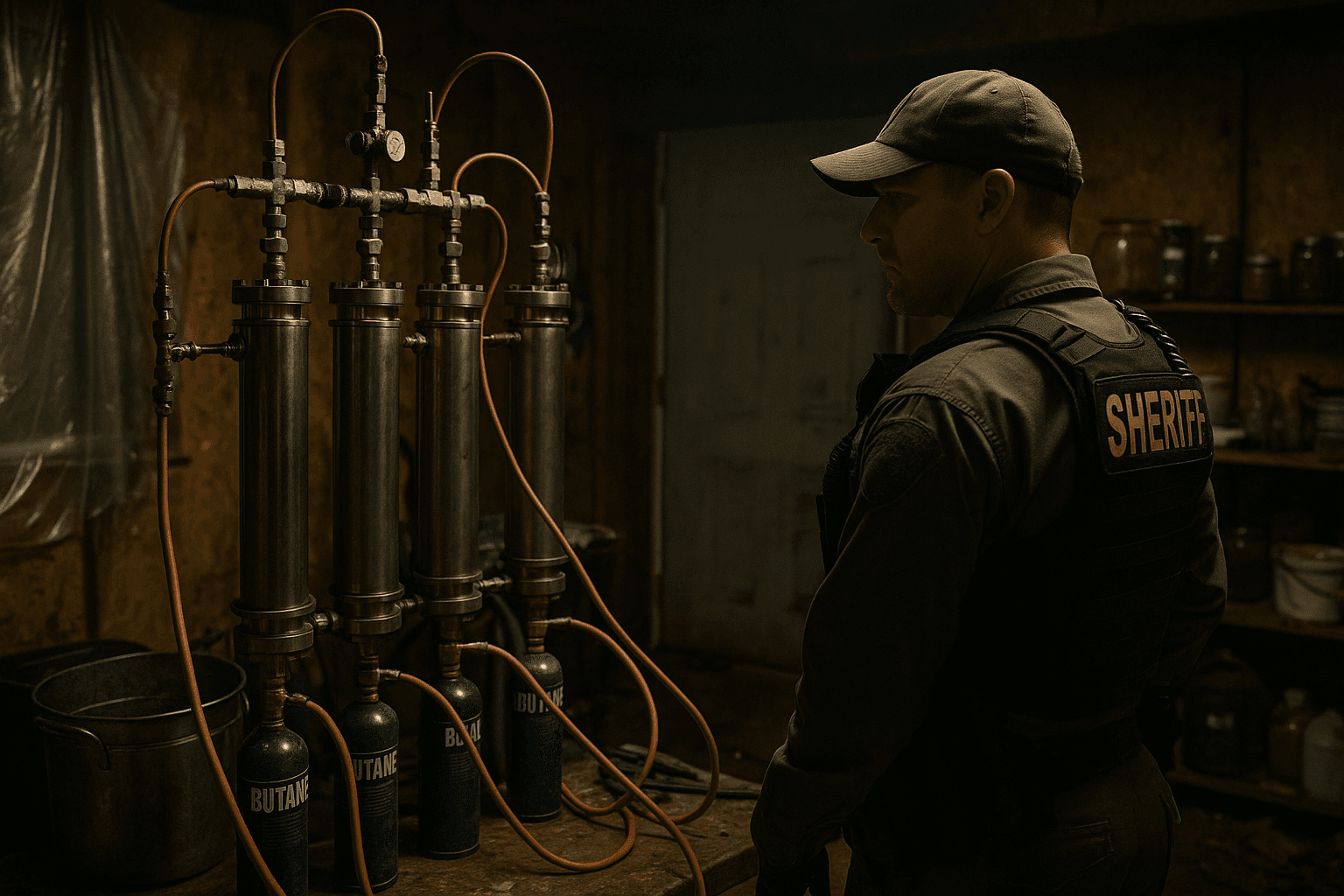
Lane County Sheriff’s Office deputies executing a search warrant north of Marcola on December 9 uncovered an illegal butane hash oil extraction operation and multiple clandestine labs in outbuildings on the property. Detectives had investigated information linking a 51 year old Marcola man to the labs over the past year, and also found evidence of manufacturing of psilocybin products. The sheriff’s office noted that homemade extraction labs are illegal under state law and that the extraction process has been tied to explosions and fires in Lane County.
The discovery required a coordinated emergency response. Mohawk Valley Rural Fire District and an Eugene Springfield Fire hazardous materials crew were called to the scene because of hazardous wiring, volatile chemicals and pressurized systems found on the property. Lane County Land Management will follow up on code violations stemming from the site conditions and the makeshift installations described by investigators.
The man whose property was searched was in custody on a parole violation at the time of the operation. As of publication he had not been charged in connection with the BHO lab, the sheriff’s office said. The investigation and any subsequent criminal or administrative actions will determine whether state statutes governing extraction equipment and controlled substances are enforced at criminal and civil levels.
For residents of rural Lane County the incident underscores persistent risks posed by clandestine manufacturing on private property. Homemade extraction operations create a real threat to neighboring homes, utility infrastructure and volunteer fire resources that respond to rural emergencies. Past incidents in the county have resulted in explosions and fires that strained local emergency services and prompted costly repairs and cleanup.
The episode also prompts institutional and policy questions for county officials. Land management enforcement, parole supervision and interagency hazardous materials response all intersect in cases like this. County leaders will need to weigh resource allocations for rural fire districts, the capacity of hazmat teams, and preventive outreach to reduce the chance of future incidents. Residents are advised to report suspicious activity to law enforcement and to local fire authorities so that potential hazards can be addressed before they result in injury or property damage.
Sources:
Know something we missed? Have a correction or additional information?
Submit a Tip