illycaffè to Make 15–20% of U.S. Sales Domestically Starting Early 2026
illycaffè’s CEO said the Italian roaster will begin producing a portion of its U.S. sales in the United States in early 2026, using a selected local partner and aiming to manufacture roughly 15–20% of U.S. volume domestically. The move is intended to shorten supply chains, improve logistics, and give the company faster response times for product innovation while addressing volatile green-bean prices that pressured 2025 margins.
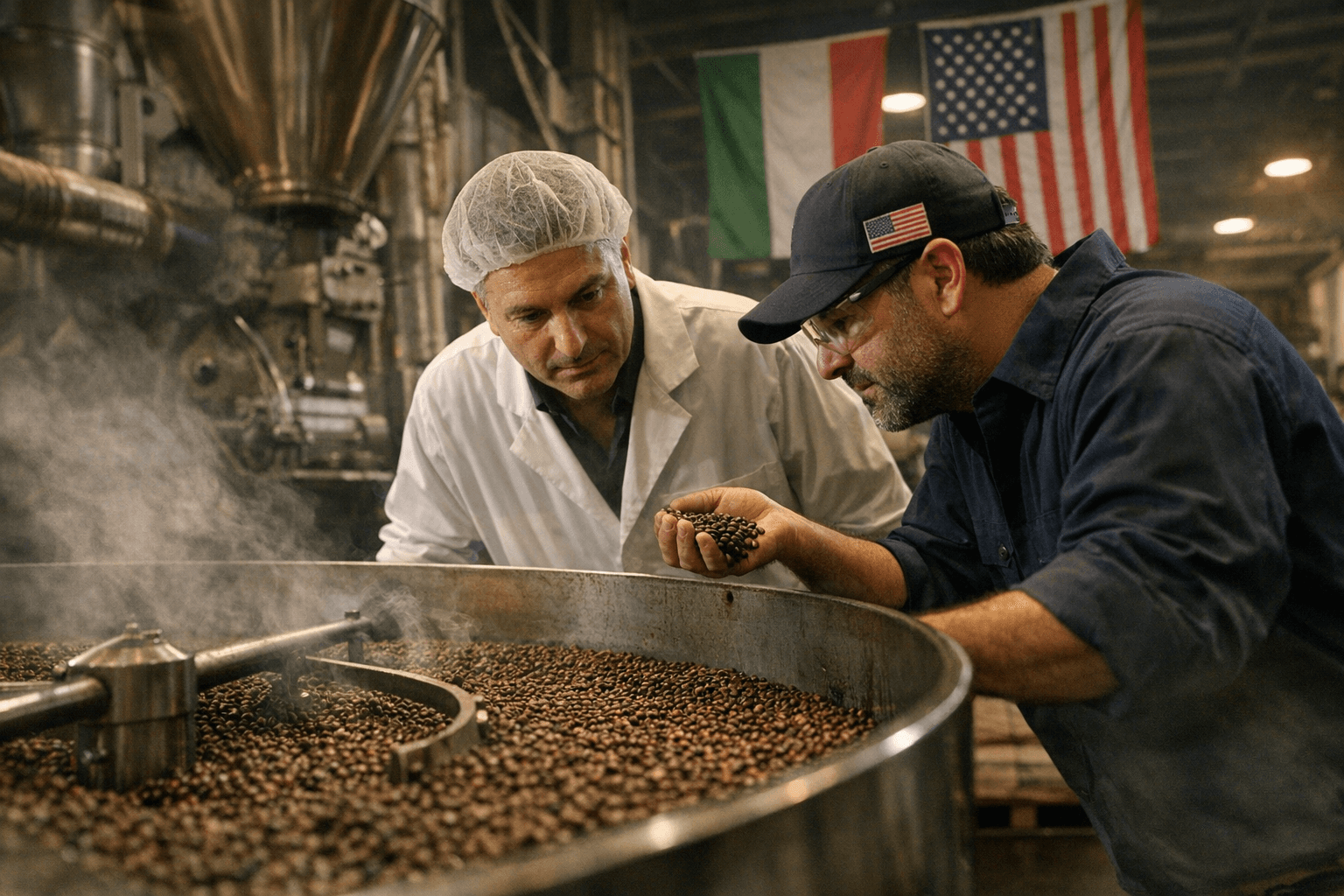
illycaffè announced plans to start making some of its U.S.-market products on American soil in early 2026, marking a notable shift for the company founded in Trieste in 1933. The Italian roaster has selected a local manufacturing partner and expects to produce about 15–20% of the volume it sells in the United States domestically. Executives framed the change as a response to a challenging supply-chain and raw-material environment that hit margins in 2025.
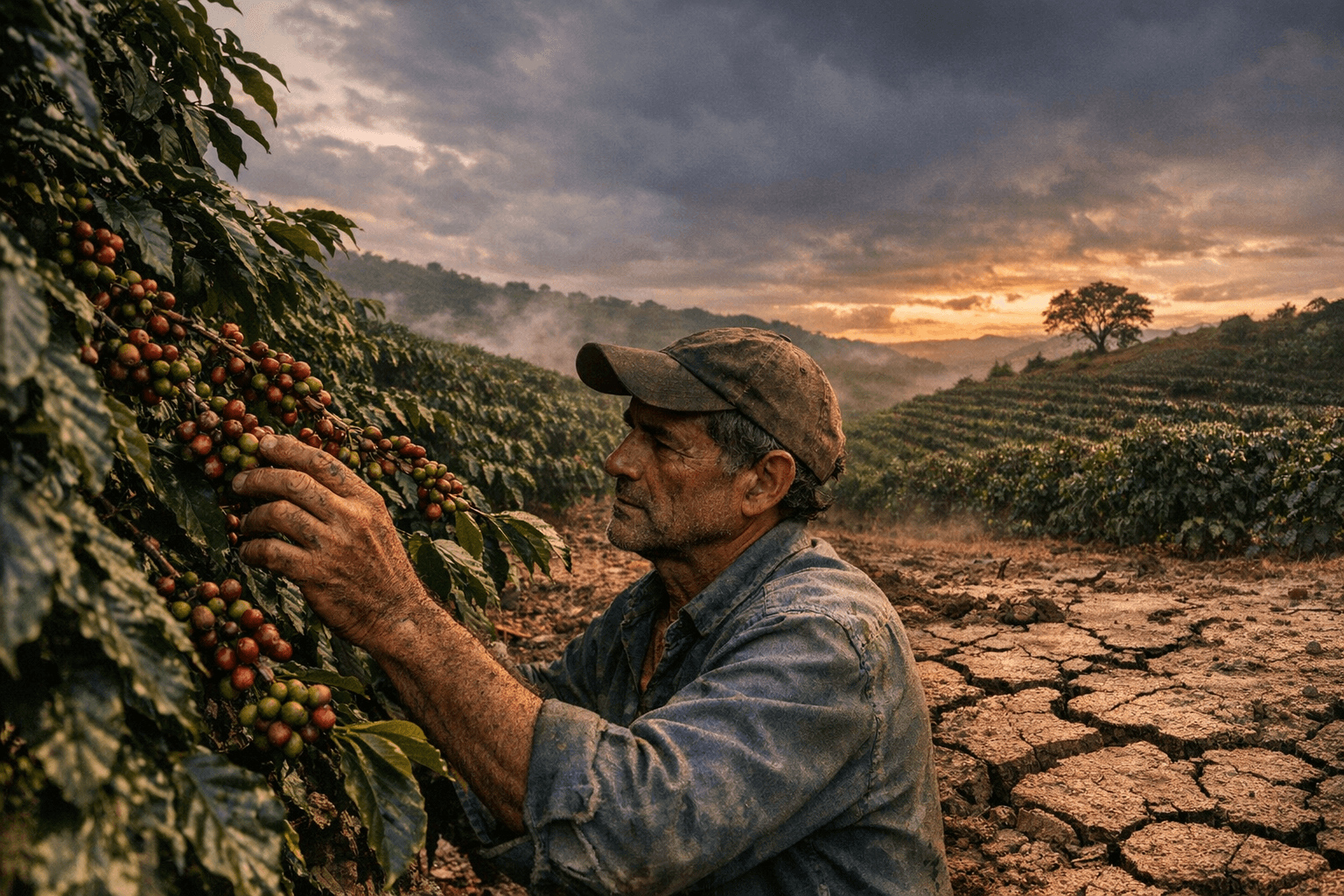
The strategy targets several immediate problems: long transit times for imported canned and packaged coffee, exposure to shipping disruptions, and high and volatile green-bean prices driven in part by weather and market dynamics. By shortening the supply chain and locating some production closer to U.S. consumers, illy aims to accelerate product innovation, improve responsiveness to demand changes, and stabilize logistics costs that can feed into retail prices.
The U.S. market was a strong contributor to illy’s 2025 results, and the company is balancing the need to keep consumer prices stable against margin pressures from rising bean costs. Local production is intended to give illy more flexibility to manage those pressures—allowing quicker SKU adjustments, faster restocking after promotions or seasonal spikes, and potentially different packaging runs tailored to American retail channels.
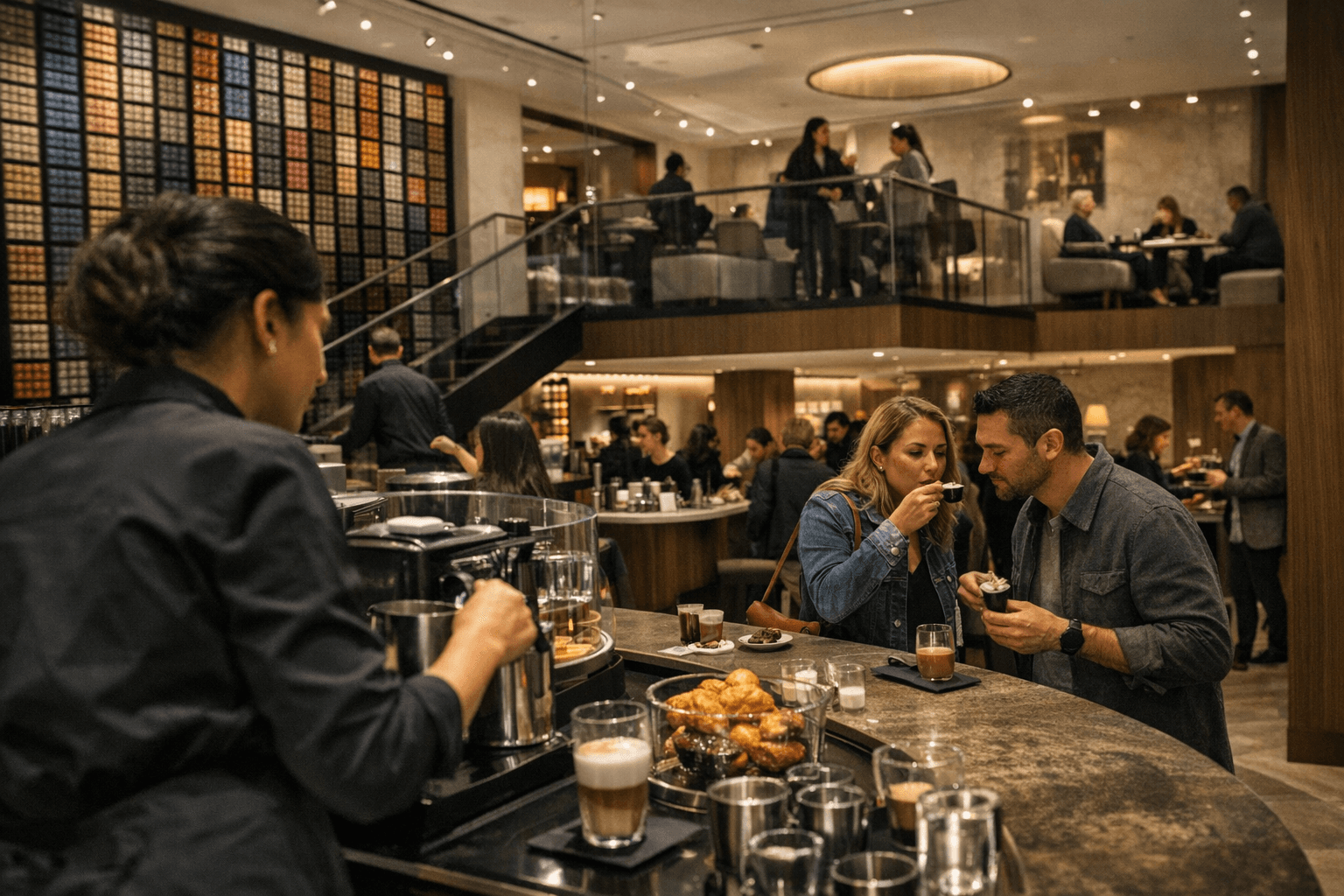
Practical implications for home baristas and retailers are immediate and tangible. Some illy-branded canned or packaged products sold in the U.S. may be produced locally rather than imported, which could shorten shipping times and improve on-shelf availability over 2026. Packaging or SKU variants may appear as the company tests local runs, and retailers may see faster replenishment for selected lines. Consumers should check product labels if they want to track origin or any changes in packaging, and retailers should confirm stock details with distributors as new SKUs roll out.
For now, the core roast profiles and branded formats are expected to remain consistent, but watch for incremental changes in packaging, barcodes, or SKU numbers as production shifts. The move signals a broader industry trend: roasters responding to raw-material volatility and logistics risk by bringing some production closer to key markets. Expect updates through 2026 as illy scales local manufacturing and refines which products will be produced domestically.
Sources:
Know something we missed? Have a correction or additional information?
Submit a Tip