India panel urges mandatory AI training licence, royalties for creators
A government appointed panel in India has published a working paper recommending that AI companies pay royalties to creators when copyrighted Indian works are used to train models, proposing a centralised non profit collection body and a blanket compulsory licence. The proposal, published today, sets up a 30 day public comment period and has prompted immediate industry pushback from NASSCOM and major studios who say it could act like a levy on innovation.
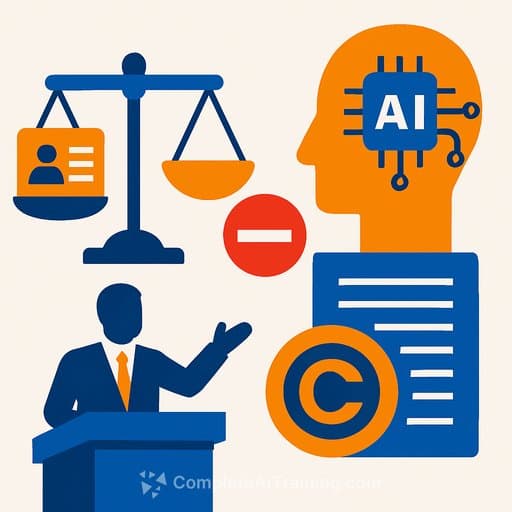
A government appointed expert panel in India on December 9 published a working paper that would require AI developers to obtain a licence and pay royalties for using copyrighted Indian content to train artificial intelligence models. The paper recommends creating a centralised non profit collection agency to administer payments and distribute funds to rightsholders under a blanket compulsory licence rather than an opt out system.
The recommendations mark a sharp divergence from the United States approach to training data, where courts and regulators have relied on doctrines such as fair use to permit some unlicensed use of copyrighted works for model development. The Indian panel proposes statutory remuneration rights for rightsholders, effectively converting the use of protected content in AI training into a legally payable activity unless specifically exempted by the licence framework.
Panel members argue the approach would reclaim value for creators whose work fuels large language models and generative systems, and provide a predictable mechanism to compensate artists, writers, journalists and other content producers. The centralised body envisioned in the paper would reduce transaction costs and simplify licensing for thousands of rights holders, the paper says, while ensuring funds flow from large AI firms back to the creative ecosystem.
Industry groups reacted swiftly and critically. Technology industry association NASSCOM warned the proposal could impose substantial compliance burdens and increase costs for startups and established platform companies alike. Major film and media studios also expressed concerns, arguing the scheme could function as a levy on technological development and may slow investment in AI research and deployment.
The panel has opened a 30 day public consultation window, inviting comments from industry, creators, academics and civil society. Submissions during that period will inform a final recommendation to government, which would need to consider how statutory licensing intersects with existing copyright law and international obligations.

Experts warn the legal and technical implementation will be complex. Determining which works qualify as Indian copyrighted material, establishing formulas for royalty distribution, and enforcing payments against foreign based model trainers raise jurisdictional and practical challenges. A compulsory licence would likely need clear definitions of covered uses, thresholds for remuneration, and mechanisms to adjudicate disputes.
Beyond immediate legal mechanics, the proposal raises broader policy questions about how societies value creative labor in an era of automated content synthesis. Advocates for creators say compensation is overdue given the scale of commercial benefit derived from training data. Critics say heavy handed mandates risk chilling innovation or diverting resources away from research.
How New Delhi balances those objectives could shape global debates. If enacted, a statutory Indian regime may encourage other countries to consider compulsory licensing approaches, increasing fragmentation in international rules governing AI training. For now the working paper frames a stark policy choice: prioritize creator remuneration through mandatory licences, or preserve a looser regime that favours rapid technological development and flexible fair use. The government will weigh feedback gathered during the consultation before deciding its next steps.