India Threatens IndiGo With Action, Caps Surge in Airfares
India's aviation regulator has warned IndiGo of potential regulatory action and moved to cap soaring airfares after the carrier cancelled thousands of flights, leaving hundreds of thousands of passengers stranded. The interventions aim to stabilize ticket prices and operations during a pilot rostering disruption that has broader implications for travel demand, airline revenues, and safety rules.
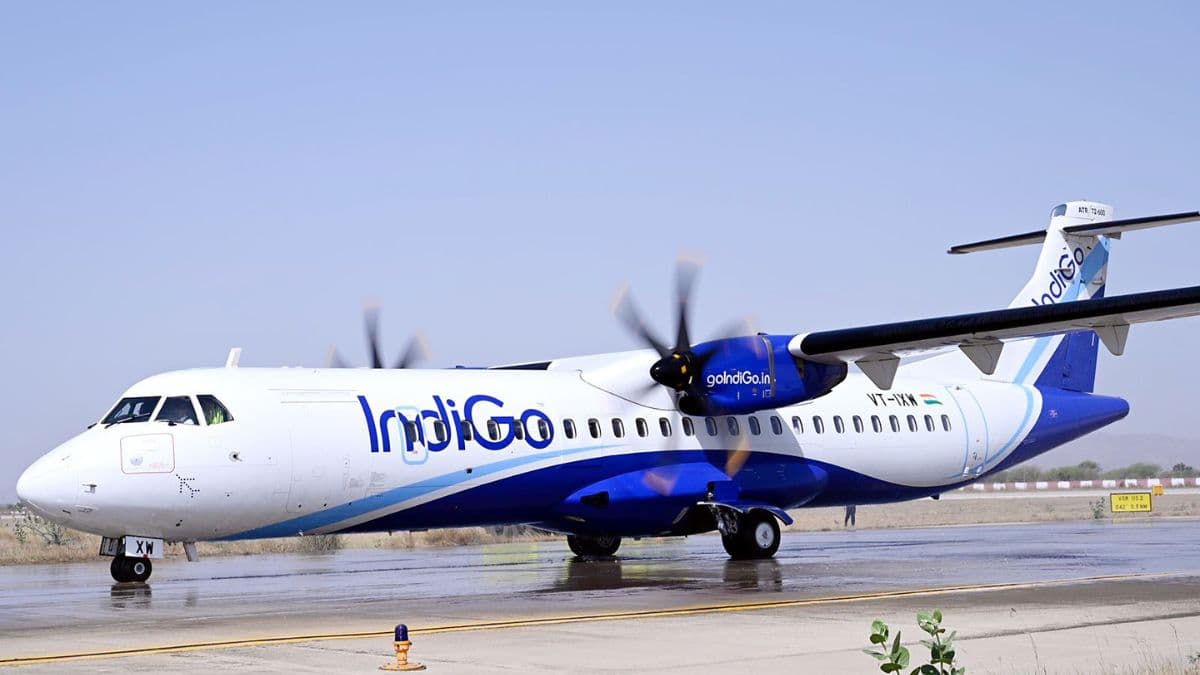
India’s aviation regulator issued a warning to IndiGo and imposed measures to limit sharp ticket price increases after the country’s largest carrier cancelled thousands of flights on December 6. The cancellations, driven by constraints linked to a recent change limiting pilot hours, stranded hundreds of thousands of passengers and triggered complaints about steep fare surges on remaining services.
Regulators temporarily suspended the new pilot hours restriction for all carriers to relieve immediate scheduling pressures while also capping fares on affected routes to curb opportunistic price spikes. The dual response signals a balancing act between protecting consumers and ensuring airlines keep flying, as regulators assess whether operational decisions complied with existing safety and rostering rules.
IndiGo attributed the wave of cancellations to constraints arising from the recent limitation on pilot duty hours. The carrier has already faced intense scrutiny after altering schedules amid a tight pilot supply. Other major Indian airlines such as Air India and Akasa were not affected to the same degree, underscoring the concentrated nature of the disruption at the country’s dominant low cost carrier.
Pilot unions have strongly opposed the regulator’s temporary easing of the duty hour rule. They warned that relaxing fatigue safeguards to patch scheduling gaps would risk safety. That dispute highlights a core policy tension for authorities, between short term market stability and adherence to fatigue management standards that aviation experts link to accident prevention.
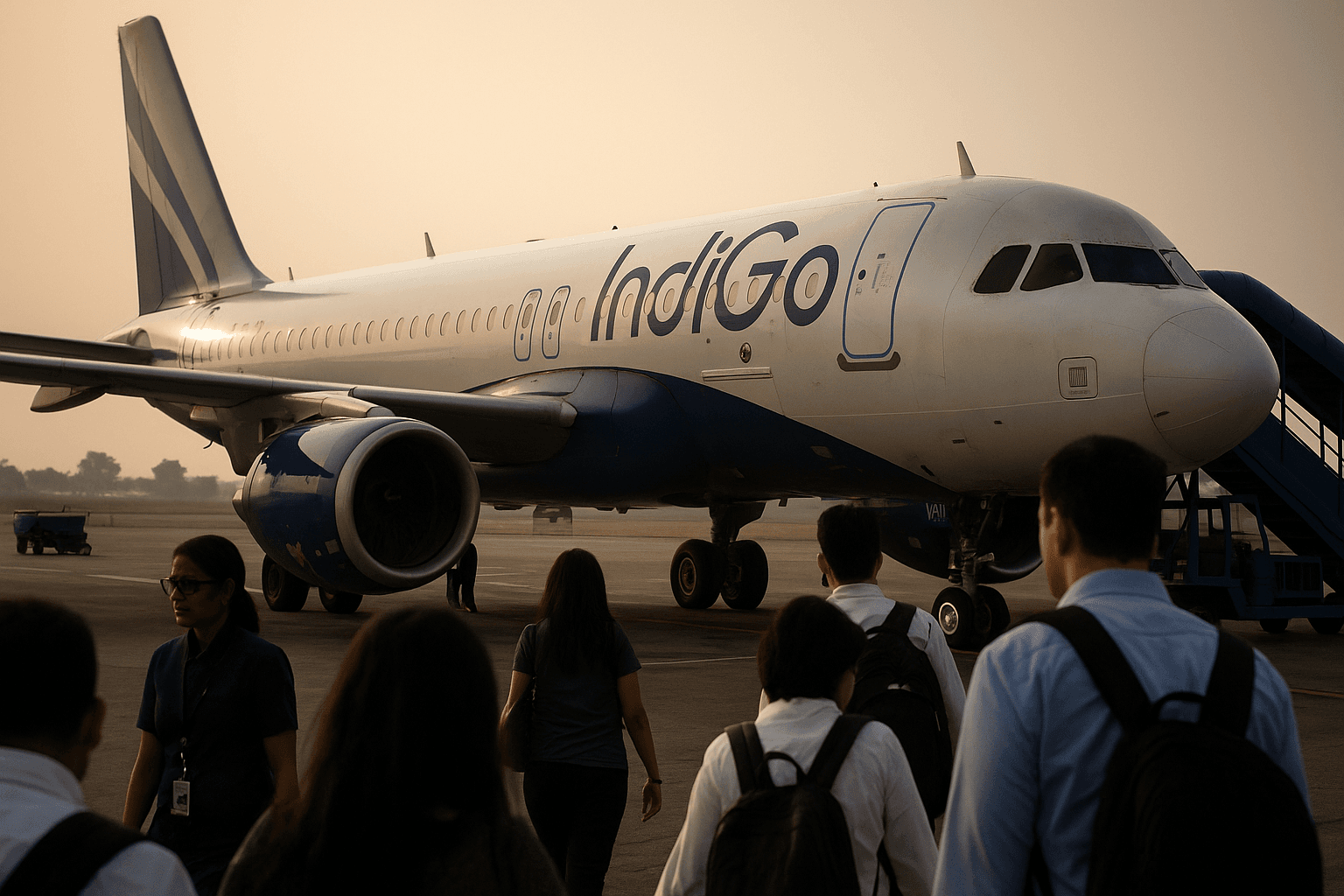
The immediate economic effects are clear. Large scale cancellations during a high demand season reduce consumer confidence and can depress future bookings. Capping fares protects travelers from acute price gouging, but it also compresses revenue opportunities for airlines already coping with disruption. For IndiGo, which commands a substantial share of domestic capacity, operational instability threatens market share and brand trust at a moment when rival carriers could selectively expand frequencies on profitable routes.
Longer term the episode underscores structural issues that predate this week. Global airline markets have faced pilot shortages as carriers expanded capacity post pandemic and an aging pilot workforce accelerated retirements. Training pipelines take years to replenish and rostering algorithms are increasingly complex as regulators tighten fatigue rules. Indian regulators now face policy choices about how prescriptive to be on duty hour limits, how to enforce roster fairness, and what contingency expectations to set for carriers to maintain resilience.
For consumers the immediate priority is getting passengers to their destinations and obtaining refunds or rebookings. For policymakers the test will be to craft rules that ensure safety while maintaining sufficient operational flexibility to prevent widespread cancellations. For the industry the challenge is to accelerate training, improve roster planning, and build redundancy in crew pools so that a single constraint does not ripple into market wide disruption.