Iran crackdown deepens as nationwide protests near two-week mark
Iran's sprawling protests enter a second week under an internet blackout, raising alarm over casualties and mass detentions.

Protests that began in late December have entered a second week as demonstrators across Iran continue to clash with security forces amid a sweeping internet and telecommunications blackout. Amnesty International says the shutdown began on 8 January 2026, complicating independent verification of events and stoking fears that further abuses could occur out of view.
Human Rights Activists News Agency, a U.S.-based aggregator, has reported at least 65 people killed and more than 2,300 detained nationwide. Amnesty International, after field investigations covering 13 cities across eight provinces, has documented at least 28 deaths between 31 December 2025 and 3 January 2026 and said it was investigating reports of additional killings and injuries tied to an intensified use of lethal force after the communications cutoff. Those differing tallies reflect a stark gap between rights-group figures and claims made by state and semiofficial outlets.
State-linked agencies and the security apparatus have portrayed some unrest as violent and organized, reporting deaths among security personnel and describing arrests as counterterrorism operations. The Young Journalists’ Club, associated with state television, said protesters killed three members of the Basij volunteer force in Gachsaran and reported other attacks, including an official stabbed to death in Hamadan province and police killed in Bandar Abbas and Gilan. Tasnim, a semiofficial agency linked to the Islamic Revolutionary Guard Corps, said authorities detained nearly 200 people it called members of "operational terrorist teams" and alleged those arrested possessed firearms, grenades and gasoline bombs.
Amnesty’s investigations accuse security forces of unlawful use of force, including firearms and shotguns loaded with metal pellets, and warn that the communications blackout could be facilitating unreported violations and an escalation of lethal tactics. Broadcast footage and video streams that circulated before and during the early days of the blackout showed large rallies, burning vehicles and at least one mosque engulfed in smoke, while state television aired selected scenes including a funeral in Qom attended by hundreds.
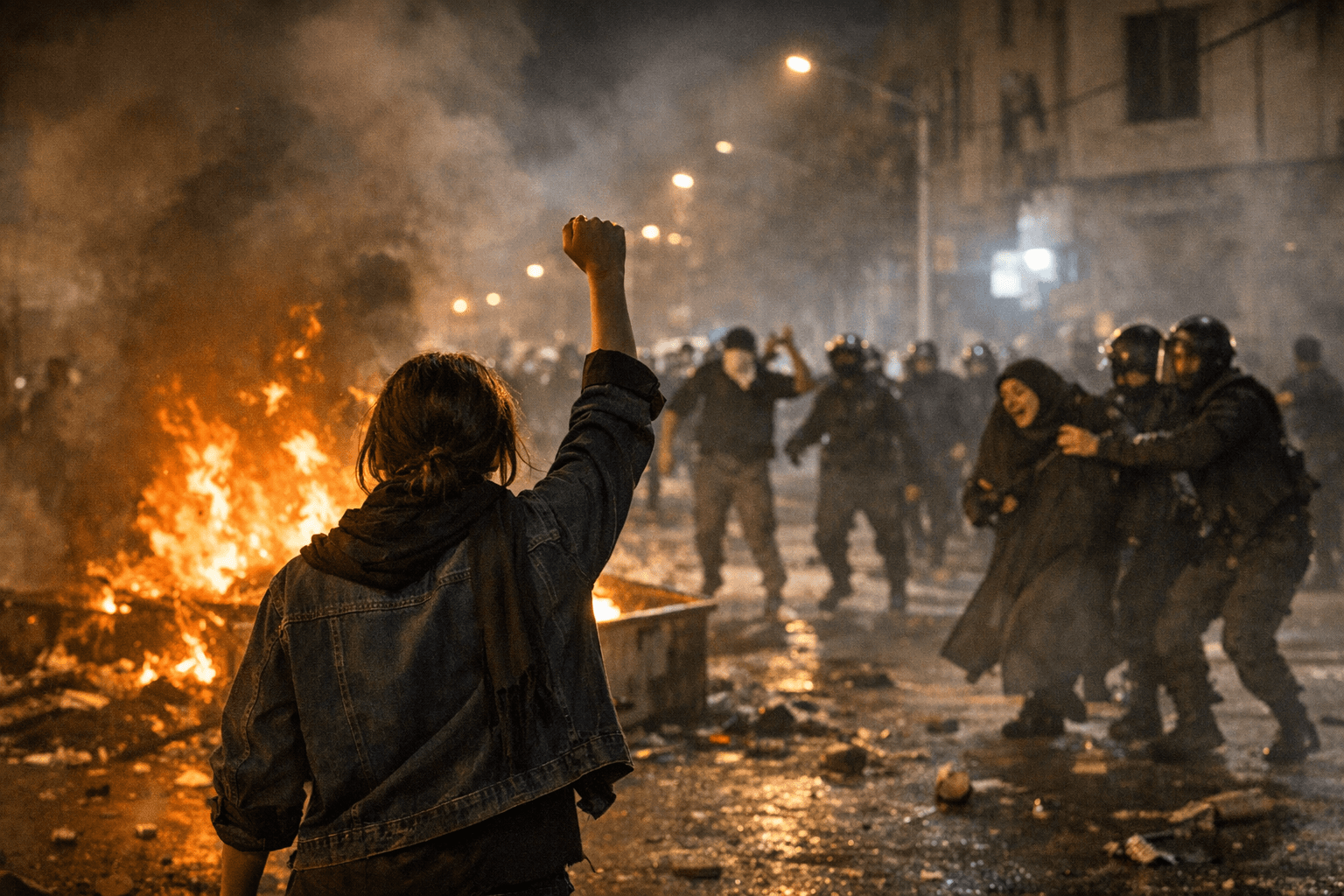
Officials have framed parts of the unrest as driven by outside interference and criminal elements. The Revolutionary Guard publicly vowed to defend the revolution’s achievements, and Iran’s attorney general warned that those who continue to protest could be regarded as "enemies of God," a charge that can carry the death penalty. The United States has signalled concern; the U.S. president warned of a possible American response to the crackdown.
Analysts following the unrest say the protests have broadened beyond early economic grievances and strikes over a failing economy into a wider anti-government movement, a shift likely to influence Tehran’s calculations. With the internet cut and many phone services disrupted, independent monitors face serious obstacles to documenting deaths, detentions and the full geographic scope of the unrest, creating a fraught environment in which both rights groups and state actors offer competing accounts.
As the blackout continues and authorities intensify security measures, the immediate prospects for de-escalation appear dim. International rights organizations have called for transparent investigations and unfettered access for monitors, while governments and analysts weigh the diplomatic and strategic fallout of a crisis that is still unfolding and difficult to verify.
Know something we missed? Have a correction or additional information?
Submit a Tip