Japan Lifts Tsunami Warnings After 7.5 Magnitude Quake, Tens of Thousands Evacuated
A 7.5 magnitude earthquake struck off northeastern Japan on December 9, prompting tsunami warnings, evacuations of roughly 90,000 coastal residents, and reports of about 30 people injured. Authorities downgraded and then lifted tsunami alerts within hours after observed sea surges proved far smaller than initial forecasts, but officials warned of aftershocks and a slightly elevated risk of a larger quake.
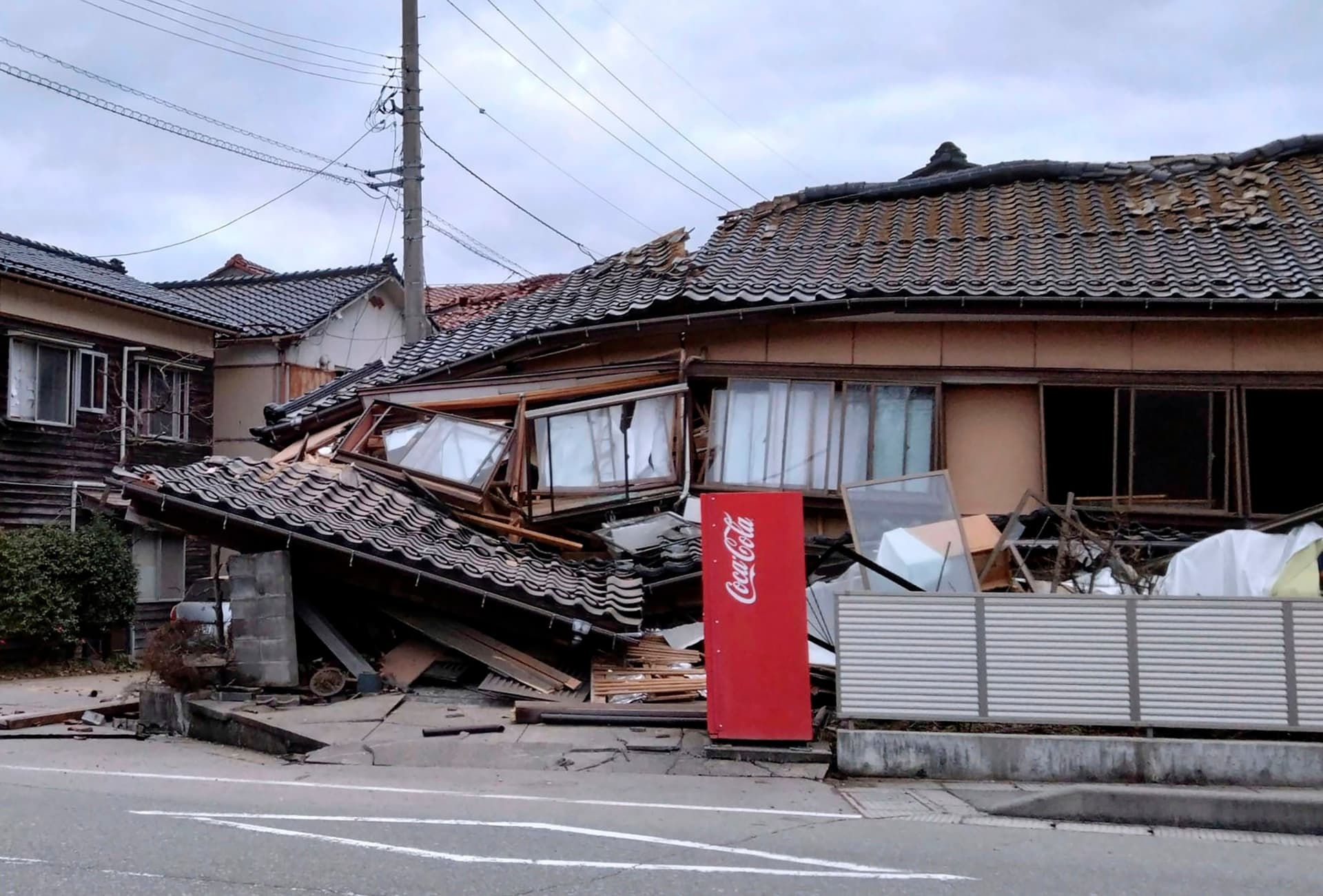
A powerful earthquake measuring about 7.5 struck off Japan's northeastern coast late on December 9, shaking communities across Hokkaido, Aomori and Iwate and triggering coastal evacuation orders and tsunami warnings. The Japan Meteorological Agency initially warned of possible waves as high as about 3 metres in some places. Ports and coastal tide gauges instead recorded much smaller surges, generally measured in centimetres to under a metre, and officials downgraded and then lifted tsunami warnings within hours.
Local authorities ordered precautionary evacuations for roughly 90,000 residents in low lying coastal areas. Emergency services and municipal governments mobilised search teams, engineers and welfare staff to open shelters, inspect buildings and restore disrupted services. Officials reported at least dozens injured, with aggregated reports centring around roughly 30 people hurt in the tremor. There were no immediate reports of large scale structural collapses, although the quake registered as an upper 6 on Japan's 1 to 7 intensity scale in some localities, a level associated with severe shaking that can topple furniture, crack plaster and damage roads.
The quake disrupted transport across northern Japan. Rail services were suspended temporarily as operators inspected tracks and overhead lines, and authorities reported sporadic power outages that affected local communities and businesses. Nuclear power operators reported no anomalies at reactors in the region, a key containment of broader systemic risk for energy markets and public confidence. Despite the lack of major coastal inundation, officials urged residents to remain vigilant because aftershocks are likely and seismologists said the event slightly increased the short term probability of a larger earthquake in the same seismic zone.
The immediate economic footprint of the event was modest relative to Japan's largest earthquakes, but the shock underscored vulnerabilities in regional transport, fisheries and supply chains. Northern ports and coastal fisheries faced temporary halts, and rail and road disruptions interrupted commuting and freight movement, imposing near term costs on local firms and households. Insurers and municipal governments will monitor damage assessments closely; earlier earthquakes in Japan show that repair and recovery spending tends to concentrate on infrastructure, housing and utilities in the weeks that follow.

Policy implications are already clear for officials balancing short term relief with long term resilience. Since the 2011 Tohoku earthquake Japan has invested in stricter building codes, tsunami defenses and rapid alert systems, and those measures likely limited casualties and infrastructure losses in this event. Still, the quake will renew pressure on local and national authorities to accelerate inspections of critical infrastructure and to fund resilience upgrades for ageing coastal communities.
As inspections continue and relief operations proceed, authorities advised residents to follow local evacuation guidance and to prepare for further shaking. For markets and the broader economy, the absence of large scale damage and the confirmation that nuclear facilities were unaffected should limit systemic consequences, although regional disruption and repair costs will produce a temporary economic burden for affected prefectures.
Sources:
Know something we missed? Have a correction or additional information?
Submit a Tip