Japan’s Chikyu departs for first continuous deep-sea rare-earth recovery test
Japan launched Chikyu to test continuous recovery of rare-earth seabed mud at 6,000 m, aiming to diversify supplies and measure environmental risks.
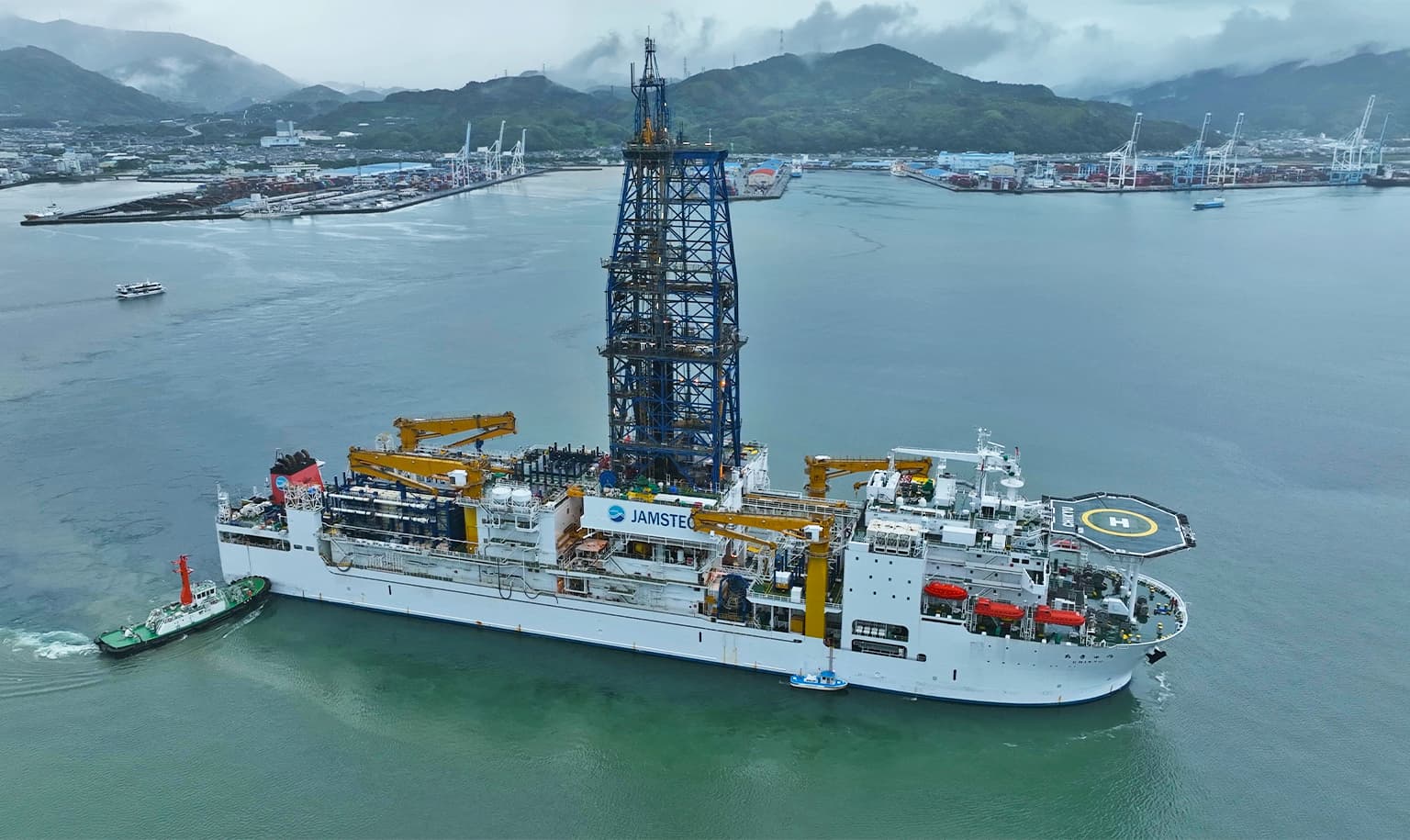
Japan dispatched the deep-sea scientific drilling vessel Chikyu on a month-long mission to test continuous recovery of rare-earth‑rich seabed mud from roughly 6,000 metres beneath the Pacific surface. The government-backed trial left Shimizu port on Jan. 12 and will operate near the remote coral atoll variously reported as Minamitori Island or Minami Torishima, about 1,900 km southeast of Tokyo, before returning around Feb. 14.
The operation, described by project leaders as the world’s first attempt to continuously lift mineral‑rich seabed sludge from that depth onto a ship, carries roughly 130 crew members and researchers and will evaluate equipment and procedures for sustained extraction. Test gear is rated to haul up to 350 tonnes of sediment per day. Based on an estimated concentration of about 2 kilograms of rare earths per tonne of mud cited by project researchers, that lifting capacity translates to a theoretical yield of roughly 700 kilograms of rare earth elements per day if the material and recovery rates match expectations.
Tokyo has poured significant resources into the effort. Government funding for the project since 2018 has reached about 40 billion yen, officials say, and planners have outlined a pathway to a larger trial next year and a possible full‑scale demonstration by February 2027 if the current confirmation tests succeed.
Shoichi Ishii, head of the government‑backed project and identified as a programme director at the Cabinet Office, framed the expedition as the culmination of long preparation. “After seven years of steady preparation, we can finally begin the confirmation tests. It’s deeply moving,” he said, while stressing that successful recovery at 6 km would mark a major technological achievement and help diversify procurement of critical minerals for industries including electric vehicles, consumer electronics and defence.
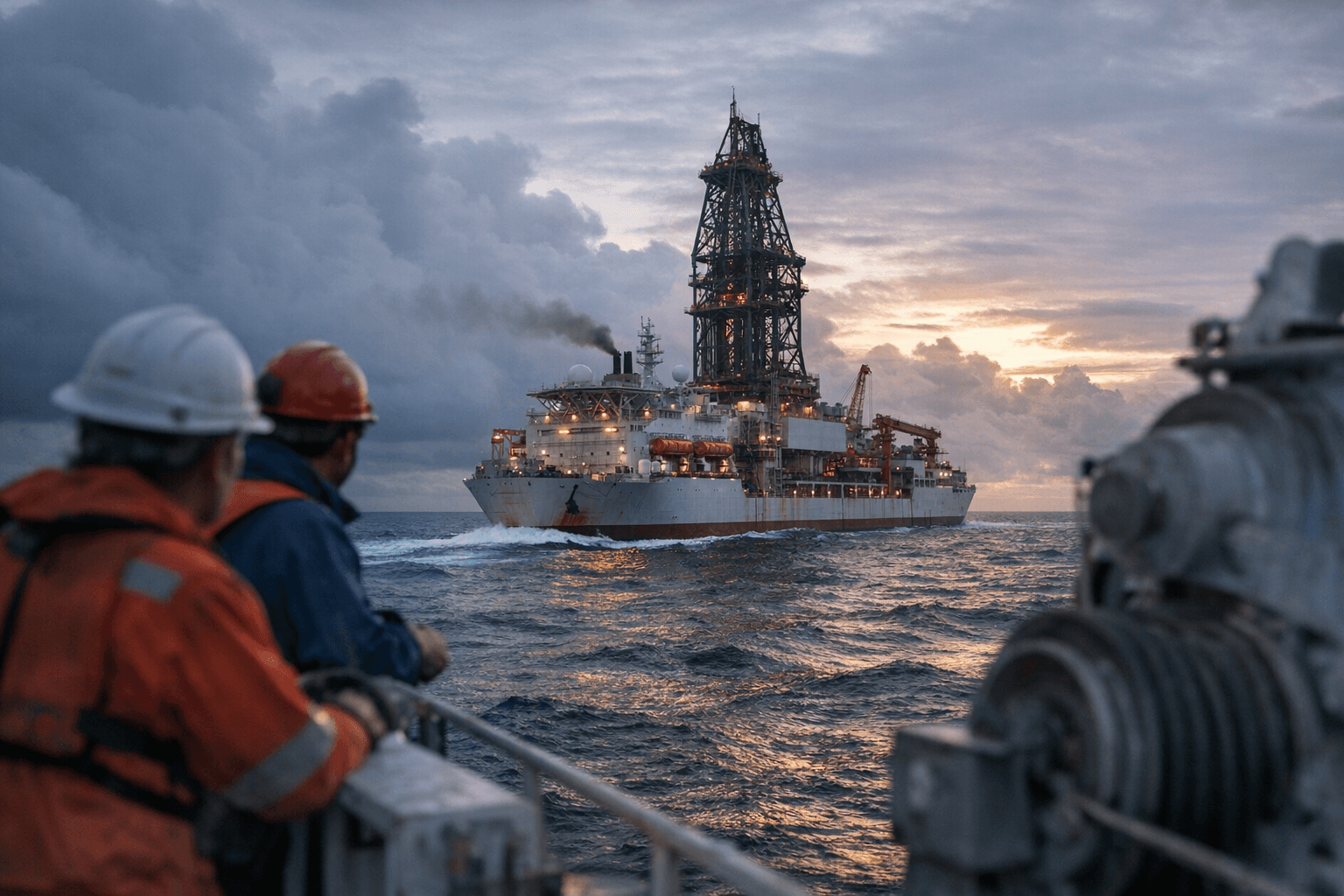
The mission arrives amid growing geopolitical pressure on mineral supply chains. Tokyo has emphasized reducing heavy reliance on China for rare earths and related inputs after Beijing last week restricted exports of certain items bound for Japan’s military, including some critical minerals. Japanese policymakers view seabed resources in the Pacific as a strategic complement to land‑based sources and recycling initiatives, even as costs, technical complexity and environmental questions remain large.
Environmental scientists and conservation groups have warned that deep‑sea mining and continuous sediment lifting could inflict long‑lasting damage on poorly understood ecosystems. Recent studies cited by project critics found that seafloor animal populations fell by as much as 37 percent in one deep‑sea exploration area, underscoring the uncertainties about recovery and resilience of abyssal communities. The current trial will include monitoring of impacts on the seabed and assessments aboard Chikyu to gather baseline and post‑disturbance data.
The test’s outcome will shape economic and policy choices. A successful technical demonstration could accelerate plans for commercial extraction and bolster Japan’s bargaining position in global rare‑earth markets, but translating a month‑long trial into sustainable, environmentally acceptable supply will require far broader evidence of ecological effects, commercial viability and regulatory frameworks. For now, the voyage is both a technological experiment and a geopolitical signal about Japan’s bid to secure critical inputs in an era of heightened strategic competition.
Sources:
Know something we missed? Have a correction or additional information?
Submit a Tip