Jim Wells County Hosts Basic Civil Process Training at Sheriff's Center
Jim Wells County hosted a multi day Basic Civil Process training from December 3 through December 5 at the Jim Wells County Sheriff’s Office Training Center in Alice. The Sheriffs' Association of Texas listed the event on its calendar and provided registration information, a local investment that affects how civil papers and court orders are executed in the county.
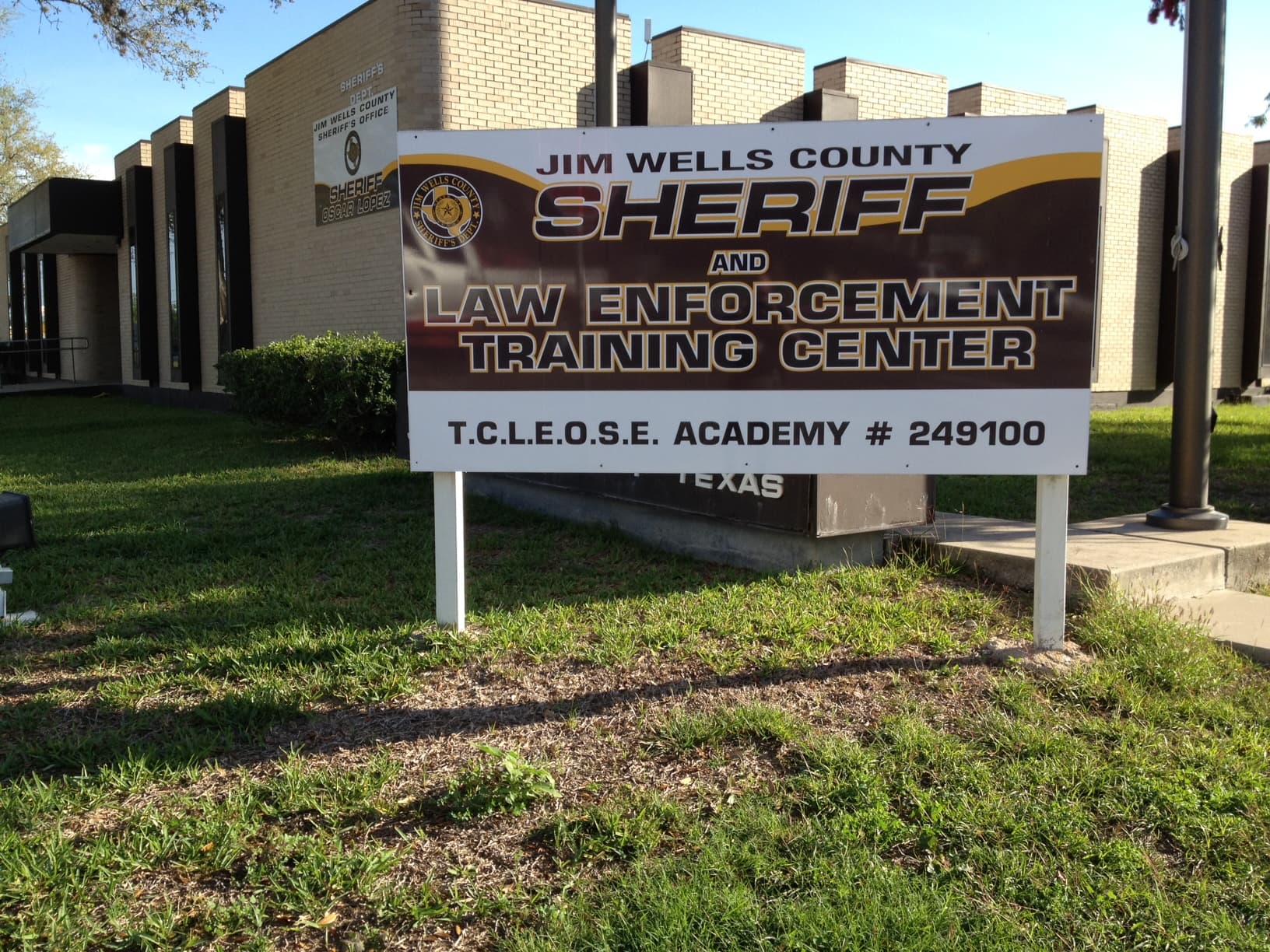
Jim Wells County law enforcement and civil process personnel gathered December 3 through December 5 at the Jim Wells County Sheriff’s Office Training Center, 300 N. Cameron Street in Alice, for a multi day Basic Civil Process course. The event was listed on the Sheriffs' Association of Texas calendar, which included the dates, training location, and a link for more information and registration. Hosting the course locally placed county personnel closer to required certification and procedural updates, and reduced travel and scheduling burdens for deputies and process servers.
Basic civil process training covers the procedures used to serve civil documents and execute court orders. For residents and local institutions that rely on timely service of summonses, writs, and other civil paperwork, improved training aims to reduce delays in court timelines and enforcement actions. For county courts and clerks, better trained personnel can translate into more consistent filings and fewer procedural errors that delay case resolution.
Institutionally, the training reflects a continuing partnership between local law enforcement and the Sheriffs' Association of Texas. By using the county training facility to host the course, Jim Wells County positioned itself as a regional site for procedural education. That can increase the office capacity to process civil service duties, and it signals a commitment to maintaining standards that shape public interactions with the justice system.
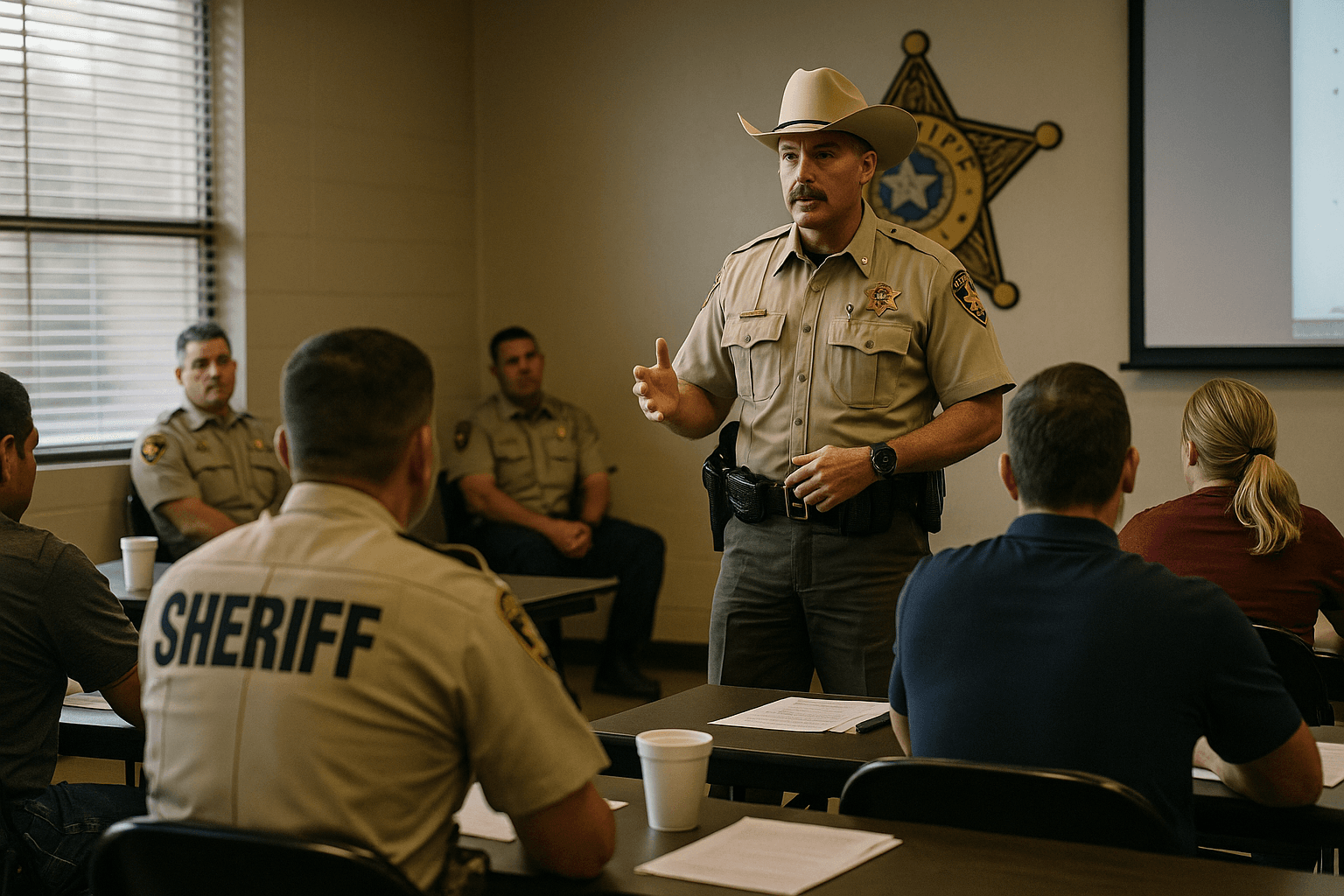
The local impact is practical and immediate. Landlords, litigants, attorneys, and court staff can expect that deputies and registered process servers who attended recent training will apply updated methods in serving papers and handling civil matters. That can affect eviction timelines, enforcement of court judgments, and the administrative workload of court clerks.
Transparency in training opportunities matters for public accountability. The calendar listing on the Sheriffs' Association of Texas provided a public registration path, allowing interested personnel to participate and the public to monitor training held in county facilities. As counties manage court related responsibilities, ongoing training remains a key factor in ensuring fair and efficient administration of civil process.