Judge Blocks Effort to Strip Whistleblower's Attorney Security Clearance
A federal judge granted a preliminary injunction on Dec. 24 preventing the Trump administration from enforcing a March memorandum that sought to revoke attorney Mark S. Zaid's security clearance. The ruling protects Zaid while his constitutional and statutory challenges move forward, a decision with implications for lawyers who represent whistleblowers and other critics of government actions.
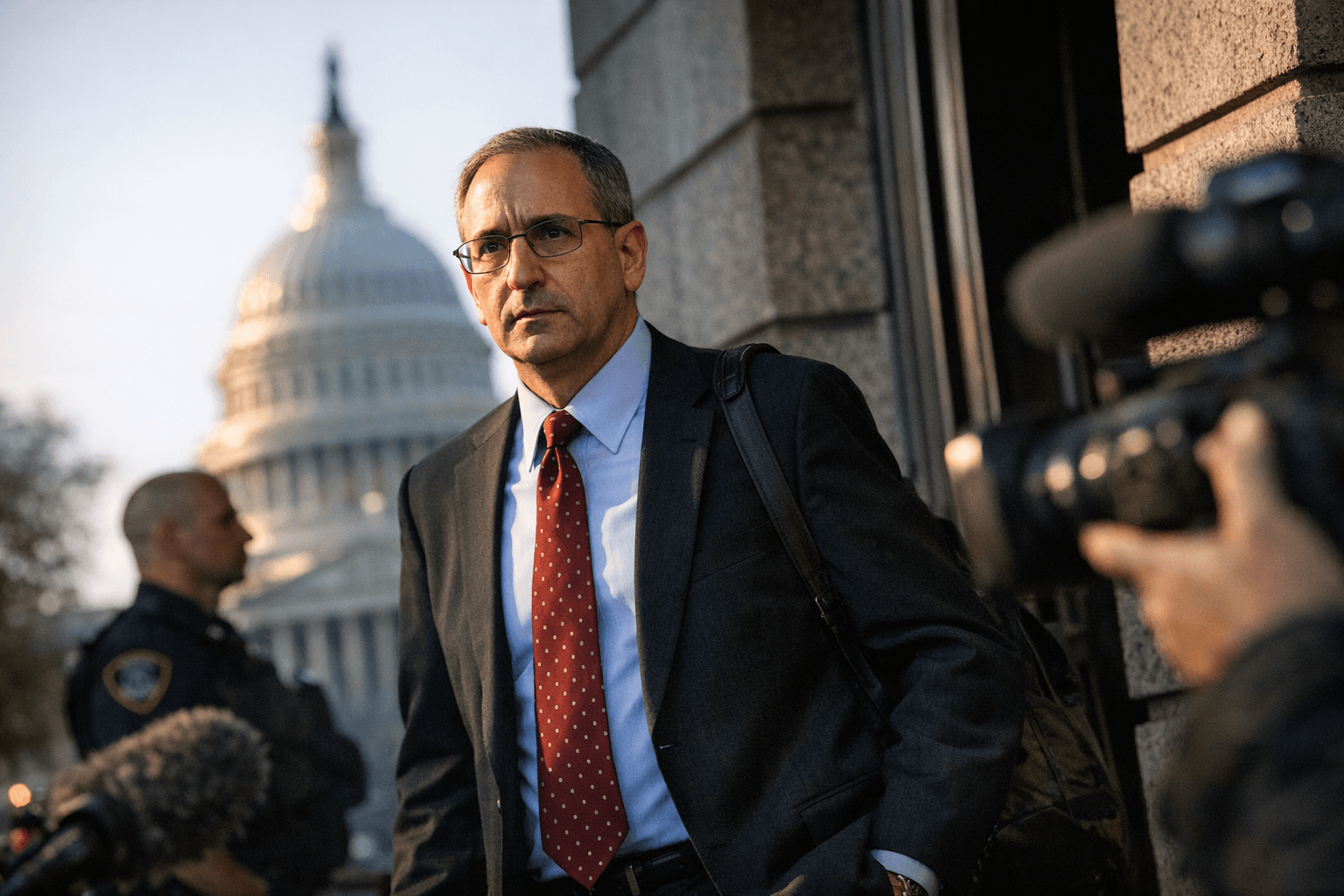
U.S. District Judge Amir Ali on Dec. 24 issued a preliminary injunction barring the federal government from applying a March presidential memorandum to revoke the security clearance of Washington lawyer Mark S. Zaid. The order prevents enforcement of the memorandum as applied to Zaid while his May lawsuit challenging the revocation proceeds through the courts.
Judge Ali concluded that the administration acted without the process ordinarily afforded to clearance holders and improperly penalized an attorney for performing his professional duties. In his written findings the judge said the clearance was revoked "by summarily canceling the attorney’s security clearance without any of the process that is afforded to others" and described the action as "the government’s retribution" against Zaid. The ruling found Zaid is likely to succeed on several claims, including First Amendment, procedural due process, and right to counsel challenges.
Zaid sued in May after the March memorandum directed the cancellation or revocation of his clearance. The order named 15 people in total, with Zaid among them. The memorandum also identified other prominent figures including former Secretary of State Antony Blinken and former Vice President Kamala Harris. For now the injunction is narrowly tailored, applying only to Zaid and pausing the government’s attempt to remove his clearance while the litigation continues.
Central to the court’s decision was the factual finding that no individualized national security assessment was undertaken before canceling Zaid’s clearance. That absence of case specific review underpinned the judge’s assessment that Zaid had been deprived of the procedural protections typically provided to clearance holders. The court’s analysis linked those procedural deficits to constitutional concerns because they directly affect an attorney’s ability to represent clients in matters involving sensitive national security information.
Zaid and his attorneys argued that the revocation amounted to improper political retribution that would jeopardize his capacity to represent clients, including whistleblowers and other individuals involved in national security matters. In a public statement he called the decision "not just a victory for me, [but] an indictment of the Trump administration’s attempts to intimidate and silence the legal community, especially lawyers who represent people who dare to question or hold this government accountable" and added he would "not be intimidated" as he continued to represent clients.
The injunction does not resolve the broader legal questions about the executive branch’s authority to revoke clearances in other cases, and it is not a final decision on the merits of Zaid’s claims. It does, however, establish an immediate check on the administration’s action against a practicing attorney and signals judicial wariness about clearance revocations that lack individualized assessments and procedural safeguards.
Legal scholars and practitioners say the case will be watched for its implications for counsel who handle classified materials and represent whistleblowers, a group that relies on security clearances to participate fully in certain representations. The litigation will now proceed to adjudicate the underlying constitutional and statutory issues, with the preliminary injunction maintaining the status quo for Zaid during that process.
Know something we missed? Have a correction or additional information?
Submit a Tip