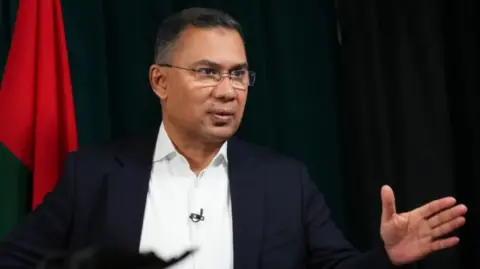
Trump Endorsement Propels Tito Asfura to Narrow Honduras Victory
Honduras' National Electoral Council declared Nasry "Tito" Asfura the winner of the Nov. 30 presidential election on Dec. 24, awarding the conservative candidate 40.27 percent to Salvador Nasralla's 39.39 percent after weeks of delayed counting. The contested declaration follows allegations of technical glitches, irregularities and claims of foreign intervention, and it signals a politically consequential shift from the outgoing left wing government to a Trump endorsed administration.

The Honduran National Electoral Council on Dec. 24 completed a protracted certification of the Nov. 30 presidential contest, declaring Nasry "Tito" Asfura the winner with 40.27 percent of the vote. Salvador Nasralla secured 39.39 percent, while Rixi Moncada finished a distant third with roughly 19 percent. The declaration came nearly a month after citizens cast ballots, and after an extended, uneven count that repeatedly stalled amid technical problems and intermittent reporting.
The slow tabulation and abrupt pauses in the official tally spawned a wave of accusations from opposition figures and observers who said irregularities and possible interference undermined confidence in the result. Electoral authorities defended the integrity of the process while moving to finalize the outcome, but the contested atmosphere has left questions about the legitimacy of the result and the durability of public trust in institutions.
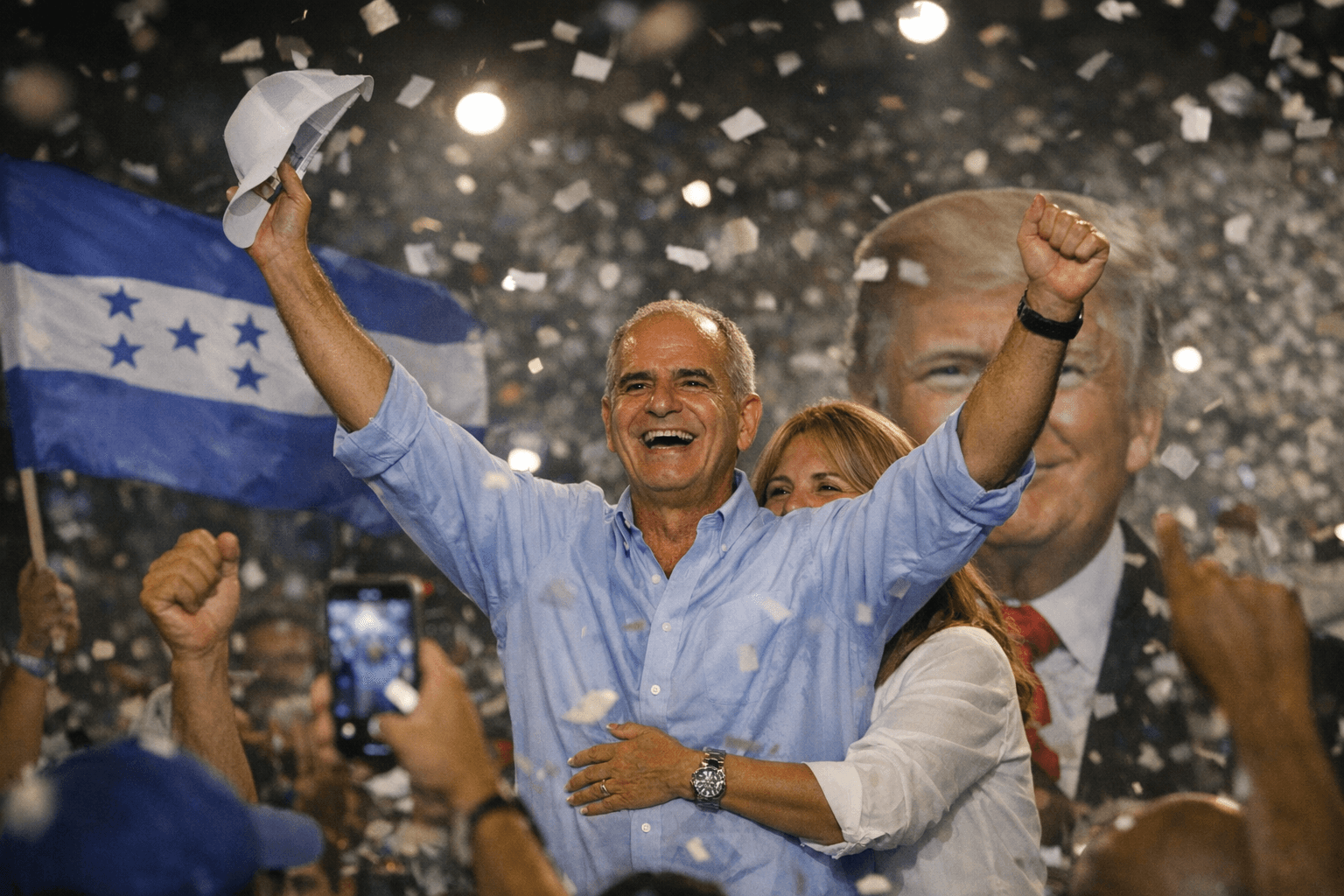
Asfura, a former mayor of Tegucigalpa and businessman who ran as the conservative candidate of the National Party, had secured public endorsement from former U.S. President Donald Trump during the campaign. That political linkage has amplified international attention, with Washington monitoring developments and some U.S. figures congratulating the declared winner soon after the announcement. Celebrations by Asfura supporters erupted in parts of Tegucigalpa following the CNE decision, underscoring the deep domestic polarization that marked the contest.
Nasralla, a familiar television personality who positioned himself as a right leaning centrist, and Moncada, identified with the ruling party's leftist wing, both lodged complaints during the counting process and signaled that they would scrutinize the declaration. The incumbent president, Xiomara Castro, who led a left wing administration, was constitutionally barred from seeking consecutive reelection. Asfura's victory represents a potential pivot in Honduran policy away from Castro's priorities toward a more conservative agenda, a change likely to affect domestic policy and Honduras' diplomatic posture.
Regional governments and international observers will now face decisions about recognition, monitoring and engagement as legal challenges and detailed audits are assessed. Key unresolved matters include the full investigation of reported technical failings, any formal judicial contests over results, and the timetable for final certification and inauguration. Clear, transparent handling of these steps will be critical to ensuring the election’s acceptance both at home and abroad.
Beyond immediate legal and procedural questions, the outcome carries geopolitical weight. Honduras is a focal point for migration flows from Central America, for security cooperation on organized crime and narcotics trafficking, and for U.S. influence in the hemisphere. An Asfura administration backed by high profile U.S. political figures is likely to reframe bilateral engagement on migration management, security assistance and investment, even as domestic divisions test the capacity of Honduran institutions to manage a peaceful democratic transition.
For now, the country faces a delicate interregnum, with calls for transparency growing louder and the international community watching closely to see whether institutions can resolve disputes in a manner consistent with democratic norms and international law.
Know something we missed? Have a correction or additional information?
Submit a Tip