Tarique Rahman Returns to Dhaka, Crowds Flood Streets Ahead of Election
Tarique Rahman returned to Dhaka on 25 December 2025, ending a years long exile and appearing before supporters as Bangladesh prepares for a pivotal national vote on 12 February 2026. His arrival has energized the opposition base, raised questions about public order and electoral stability, and put pressure on interim authorities to manage a fraught transition.
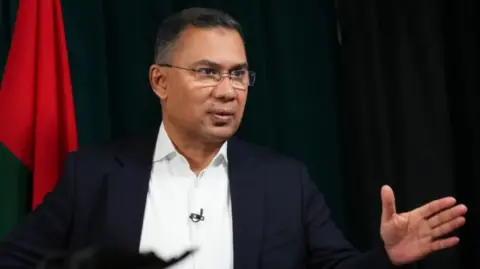
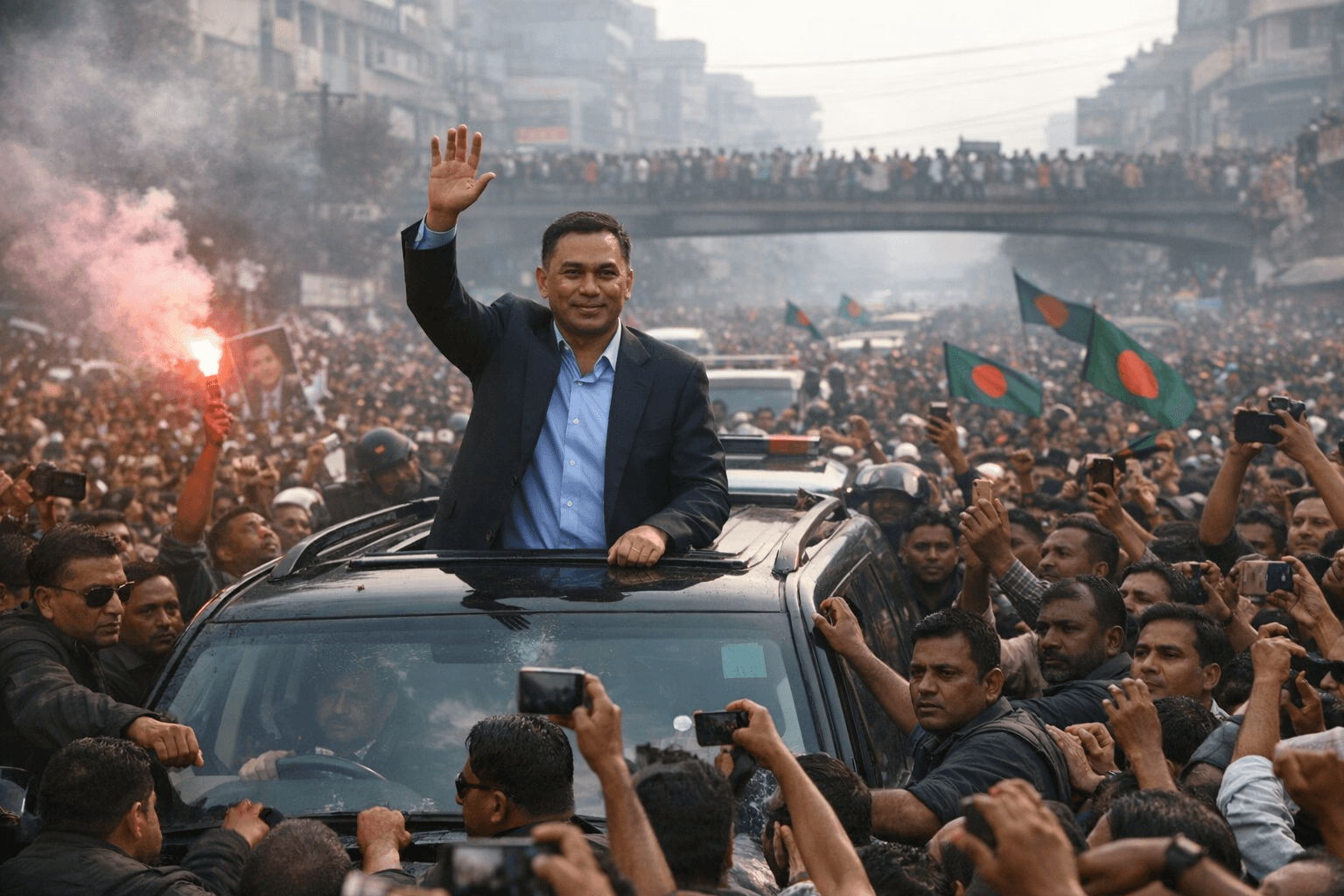
Tarique Rahman returned to Dhaka on Thursday, 25 December 2025, flying into the capital after more than a decade in self imposed exile and stepping immediately into a high stakes political contest ahead of the national election scheduled for 12 February 2026. He was met at the airport by senior party figures and moved under tight security through streets lined with supporters, large numbers who greeted him with flags, banners and chants.
Witnesses and broadcast footage show Rahman riding through the city on a vehicle platform where he waved to supporters and acknowledged the reception. Organizers described the crowds as "hundreds of thousands" along the route to the reception venue. Supporters wore party colored jerseys and caps, carried placards and flowers, and filled thoroughfares in a display that underscored the BNP's capability to mobilize at scale.
Hours after landing Rahman addressed party supporters and called on countrymen to "join hands to maintain law and order" while urging prayers for his ailing mother, former party chairperson and ex prime minister Khaleda Zia. He posted on social media describing his return with messages such as "Back in Bangladesh skies after 6,314 days!" and "Finally here in Sylhet, on the soil of Bangladesh!" Local reporting indicates he is expected to visit Khaleda Zia, who is receiving treatment at Evercare Hospital in Dhaka and is described as about 80 years old.
Rahman, 60, has served as acting chairman of the Bangladesh Nationalist Party since 2018 and is the eldest son of Khaleda Zia and the late president Ziaur Rahman, the BNP founder. His homecoming follows the overturning of several convictions that had been entered in absentia, decisions that cleared earlier legal barriers to his return. He fled Bangladesh in 2008, citing politically motivated persecution, and has been based abroad since then.
The return marks a defining moment for the BNP at a volatile juncture. Bangladesh has been governed by an interim administration led by Nobel laureate Muhammad Yunus since August 2024 after a student led uprising that removed Sheikh Hasina from power. The political field is reshaping rapidly, with the Islamist party Jamaat e Islami emerging as a significant rival after the interim government blocked participation by the Awami League under the Anti Terrorism Act.
Security officials and observers warned that the atmosphere could become tense as the campaign period approaches, citing recent incidents of violence and attacks on media outlets that have raised questions about public safety during the electoral process. Reports of unrest in the broader region, including the killing of a student leader and other violent incidents, have heightened concern among civil society groups and international observers.
For the BNP, Rahman's arrival is intended to energize supporters and consolidate leadership ahead of a tightly contested vote. For the interim government and election authorities, the immediate challenge is to ensure a peaceful, orderly campaign environment while maintaining credible electoral procedures. Political analysts say the coming weeks will test institutions responsible for security, the impartial administration of the vote, and the capacity of parties to compete without resorting to violence.
Sources:
Know something we missed? Have a correction or additional information?
Submit a Tip