King Abdullah Visits Ramallah, Publicly Backs Palestinian Leadership
King Abdullah II makes a rare visit to Ramallah to meet President Mahmoud Abbas, offering a highly visible show of support after the United Nations General Assembly upgraded Palestine's status. The move sharpens regional fault lines, with implications for Palestinian finances, Jordanian domestic politics, and investor confidence across the Levant.
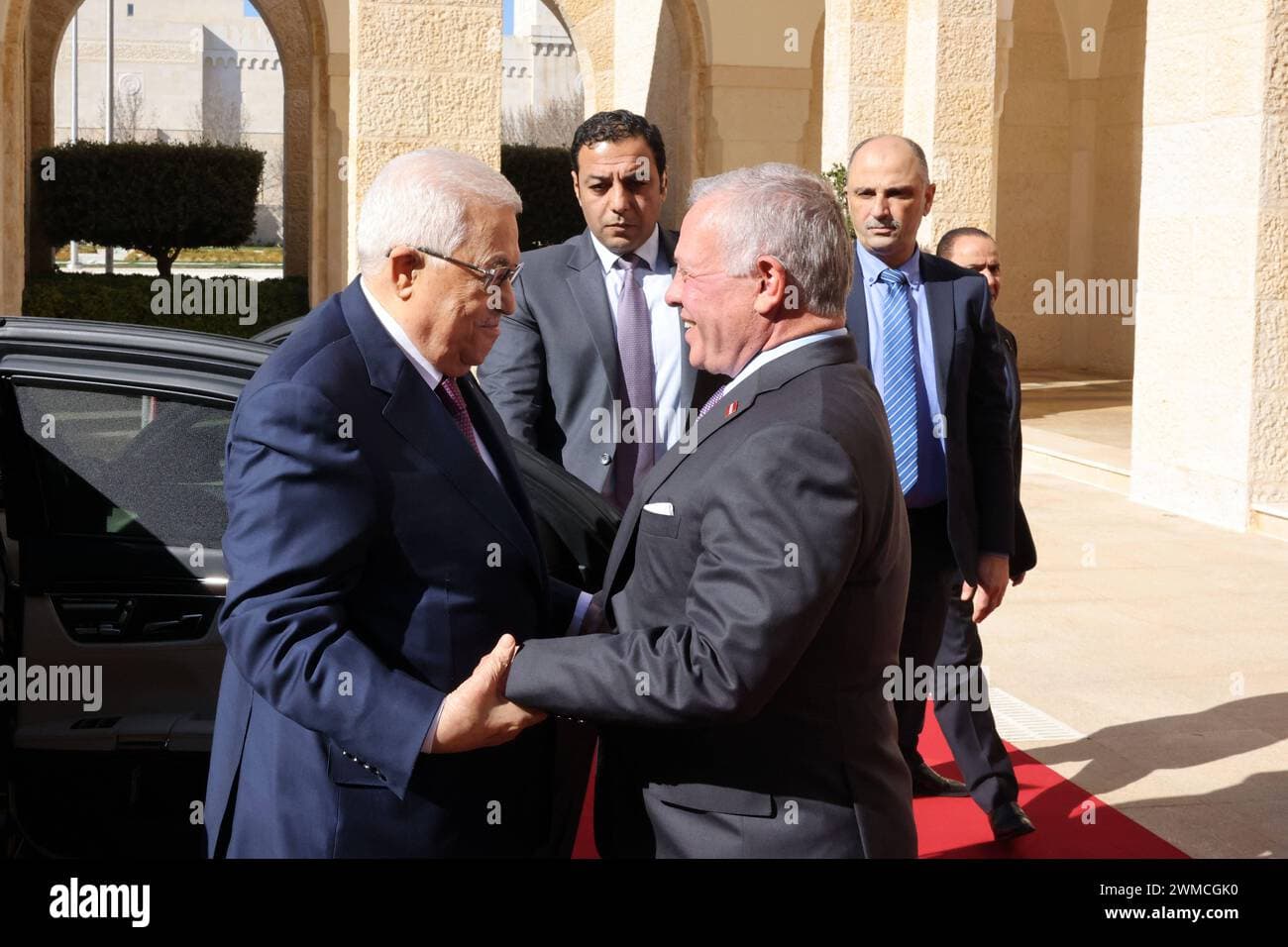
King Abdullah II arrives in Ramallah today for a rare visit to the West Bank, meeting Palestinian Authority President Mahmoud Abbas in a public demonstration of support following the recent United Nations General Assembly decision to upgrade Palestine's status. The trip is the king's first to the West Bank in more than a year and one of only a handful during his reign, a fact that underscores both the symbolic weight of the visit and Jordan's unique diplomatic position in the Israeli Palestinian dispute.
Jordan frames the visit as a reaffirmation of its political alliance with Palestinian leaders at a moment of heightened tensions with Israel. Israeli officials have publicly criticized the UN move and have taken fiscal and political steps in response. Those measures have included withholding or scrutinizing transfers and intensifying diplomatic pushback, actions that risk squeezing Palestinian Authority finances at a time when those resources are already fragile.
Economically the visit highlights a cascading set of fiscal risks for the Palestinian Authority and for neighboring states. The PA relies heavily on revenues transferred through arrangements with Israel. Disruptions to those flows could widen an already substantial budget shortfall and increase dependence on donor aid. Jordan, which shares deep economic and demographic links with the Palestinian territories and hosts large refugee populations, faces heightened fiscal sensitivity. The kingdom has limited fiscal space after years of slow growth and elevated public debt, and it remains reliant on external aid and concessional financing to stabilize budgets and support social services.
Markets are attuned to the political signal. Regional risk aversion could nudge yields on Israeli and regional sovereign debt and prompt modest volatility in exchange rates. Financial firms and international donors are likely to reassess short term exposures and contingency lending as the political situation evolves. For Amman, an amplification of refugee or security pressures would raise the cost of public services and the need for donor support, while also posing political challenges for the king domestically.
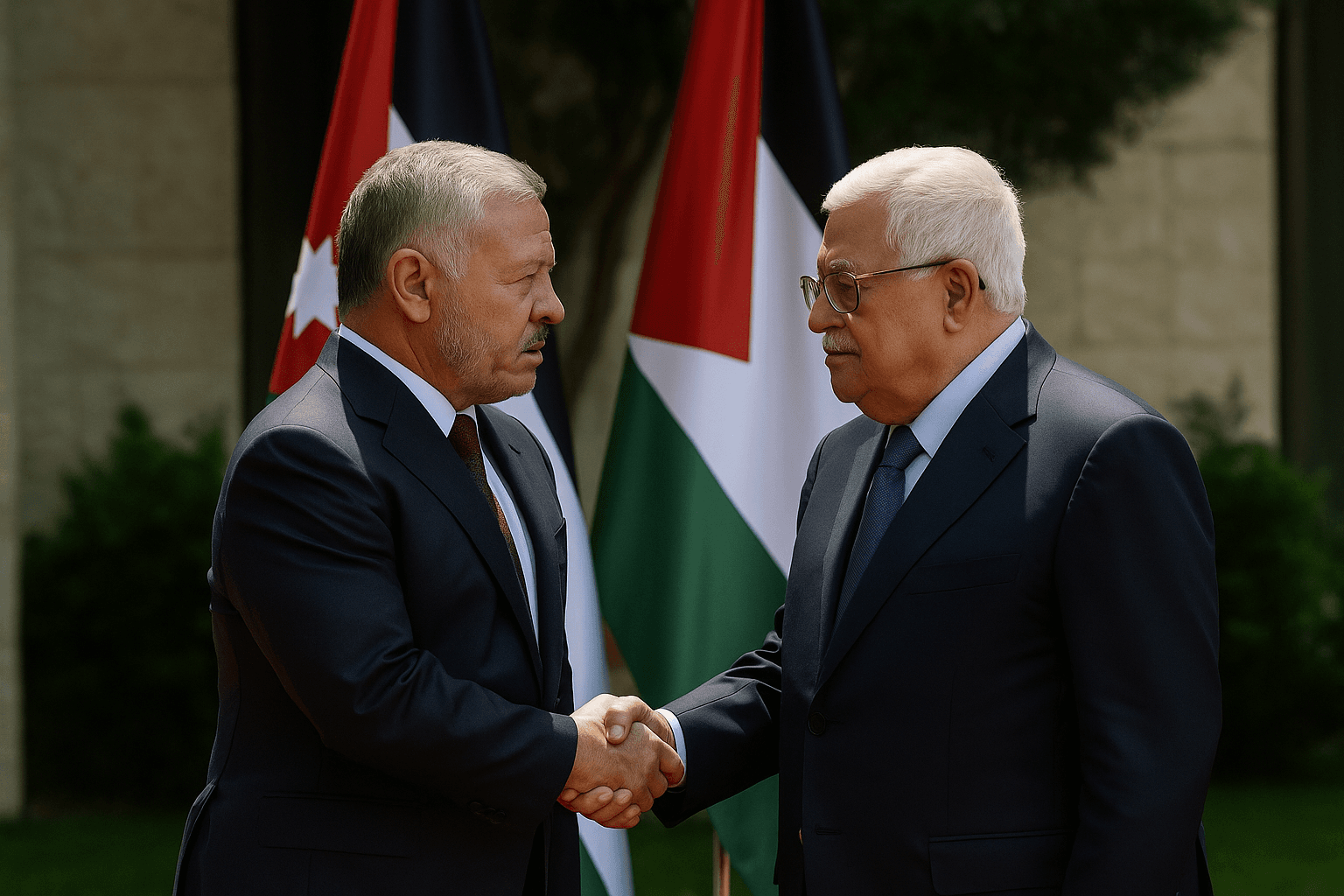
Strategically, Jordan's high profile engagement is an assertion of its role as a mediator with direct ties to Palestinian leadership and religious custodianship concerns in Jerusalem. The visit also signals to Western capitals and Gulf partners that Jordan seeks to shape the diplomatic response, pushing for multilateral solutions over unilateral measures on the ground.
Looking ahead, the episode crystallizes long term trends. The internationalization of Palestinian status at multilateral fora is changing the mechanics of diplomacy, while regional actors reposition based on domestic political constraints and strategic calculations. Absent a rapid diplomatic deescalation and stepped up donor commitments, the fiscal and political strains exposed by this dispute are likely to persist, with economic consequences that will be felt across the Levant for months to come.