KIUC launches rebate program for medical device backup power
Kaua‘i Island Utility Cooperative launched a Medical Device Power Backup Rebate Program on Jan. 5, 2026, offering members who rely on electricity-dependent medical equipment up to $200 toward a qualifying battery backup or portable generator. The program, developed in partnership with Kaua‘i County, the Hawai‘i Department of Health and local community organizations, aims to reduce health risks during extended outages and improve preparedness for vulnerable households.
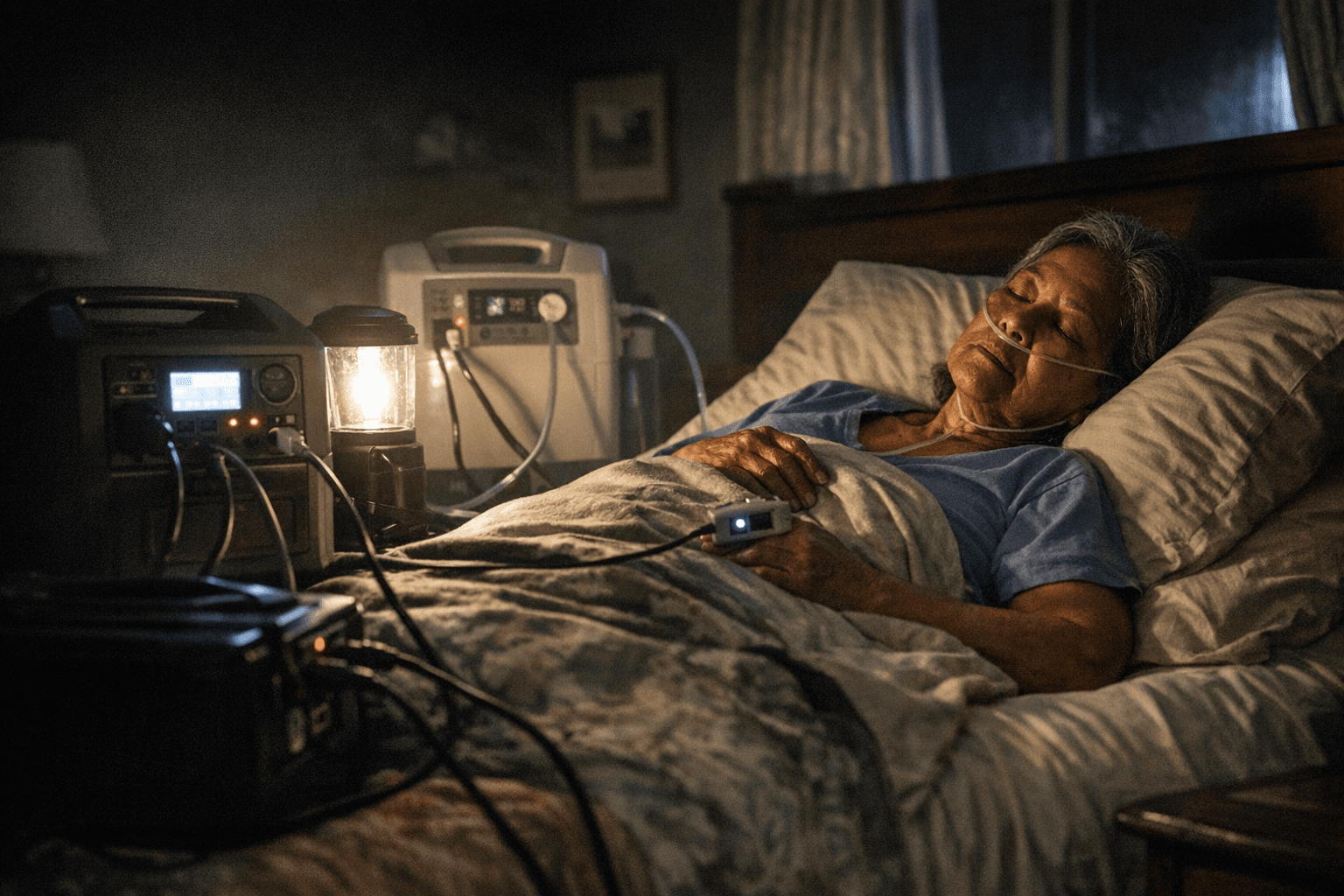
Kaua‘i Island Utility Cooperative rolled out a rebate program Jan. 5 to help members who depend on electricity for medical needs secure short-term backup power. Eligible members may receive up to $200 toward a qualifying backup solution, such as a battery backup or a portable generator, to support equipment including home oxygen, ventilators, power wheelchairs and refrigerated medications.
The initiative responds to growing concerns about the dangers posed by power outages to residents with medical dependencies. Extended outages can interrupt life-sustaining therapies and force emergency transfers to hospitals, placing strain on individuals, families and the island’s health system. By subsidizing backup options, KIUC and its partners hope to reduce those immediate risks while promoting longer-term outage preparedness.
KIUC said applications and detailed eligibility information are available through the cooperative’s application portal, and staff can assist members by phone. The partnership with Kaua‘i County, the Hawai‘i Department of Health and community organizations is focused on outreach to ensure residents who need assistance know the program exists and understand their options for maintaining continuity of care during outages.
While the rebate offers immediate relief for some households, $200 will not cover the full cost of many generators or high-capacity battery systems. That economic reality highlights persistent equity concerns: low-income families, elderly residents and those living in remote areas are more likely to face barriers in acquiring and safely operating backup power. The program’s phone-based assistance acknowledges digital access gaps, but broader measures may be needed to ensure equitable protection across Kaua‘i County.
Public health officials and emergency planners view this step as a piece of a larger resilience puzzle. Backup power for individual patients can reduce emergency demand during storms or grid failures, but it does not replace systemic investments in grid hardening, community shelters with power and coordinated plans for medically vulnerable populations. The cooperation between the utility, county government and the state Department of Health may serve as a model for targeted, needs-based interventions in the near term.
Members who rely on electricity for medical equipment are encouraged to review KIUC’s application portal and contact the cooperative for help with eligibility and the application process. For many households on Kaua‘i, the new rebate program offers practical relief and a reminder of the continued need for policies and resources that protect the most medically vulnerable during outages.
Sources:
Know something we missed? Have a correction or additional information?
Submit a Tip