Wilcox Nurses Authorize Strike Over Staffing and Labor Complaints
Nurses at Wilcox Medical Center in Līhu‘e voted overwhelmingly to authorize a strike, citing unsafe staffing ratios, alleged harassment during bargaining, and other working-condition disputes. The Hawai‘i Nurses’ Association filed complaints with the National Labor Relations Board and scheduled a short strike in mid-January, a development that could affect patient care and intensify statewide labor negotiations.
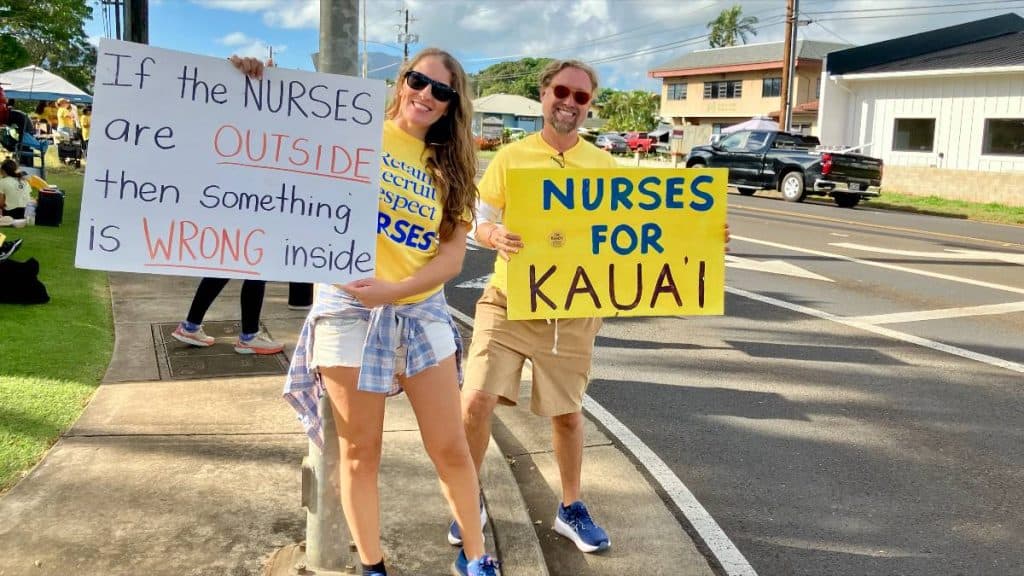
Nurses represented by the Hawai‘i Nurses’ Association (HNA) at Wilcox Medical Center in Līhu‘e voted on Jan. 2 to authorize a strike, with more than 76 percent of 159 votes in favor, the union reported. The authorization followed months of bargaining over staffing, workplace safety and other contract terms, and HNA said it has filed unfair labor practice complaints with the National Labor Relations Board.
Union leaders said the vote was driven by persistent concerns about unsafe nurse-to-patient staffing ratios, particularly on the medical-surgical unit, and by alleged harassment and retaliation by management during negotiations. HNA announced a planned three-day strike slated to run Jan. 14–17, 2026, saying nurses are fighting for enforceable staffing standards and better working conditions to ensure patient safety.
Wilcox Medical Center, part of Hawai‘i Pacific Health, responded that leadership was "disappointed" by the union’s decision and said hospital officials believe they are close to an agreement. The hospital said it has offered additional negotiation dates and that it will remain open and serve patients if the strike proceeds.
The labor action at Wilcox comes amid parallel negotiations and recent labor activity among hospital workers on O‘ahu over similar issues. Union leaders and health care advocates have framed enforceable staffing standards as a public health priority, arguing that stable, lower nurse-to-patient ratios reduce medical errors, improve outcomes and help retain experienced staff. Hospital management and health systems have countered that implementation must balance workforce availability and budgetary constraints.
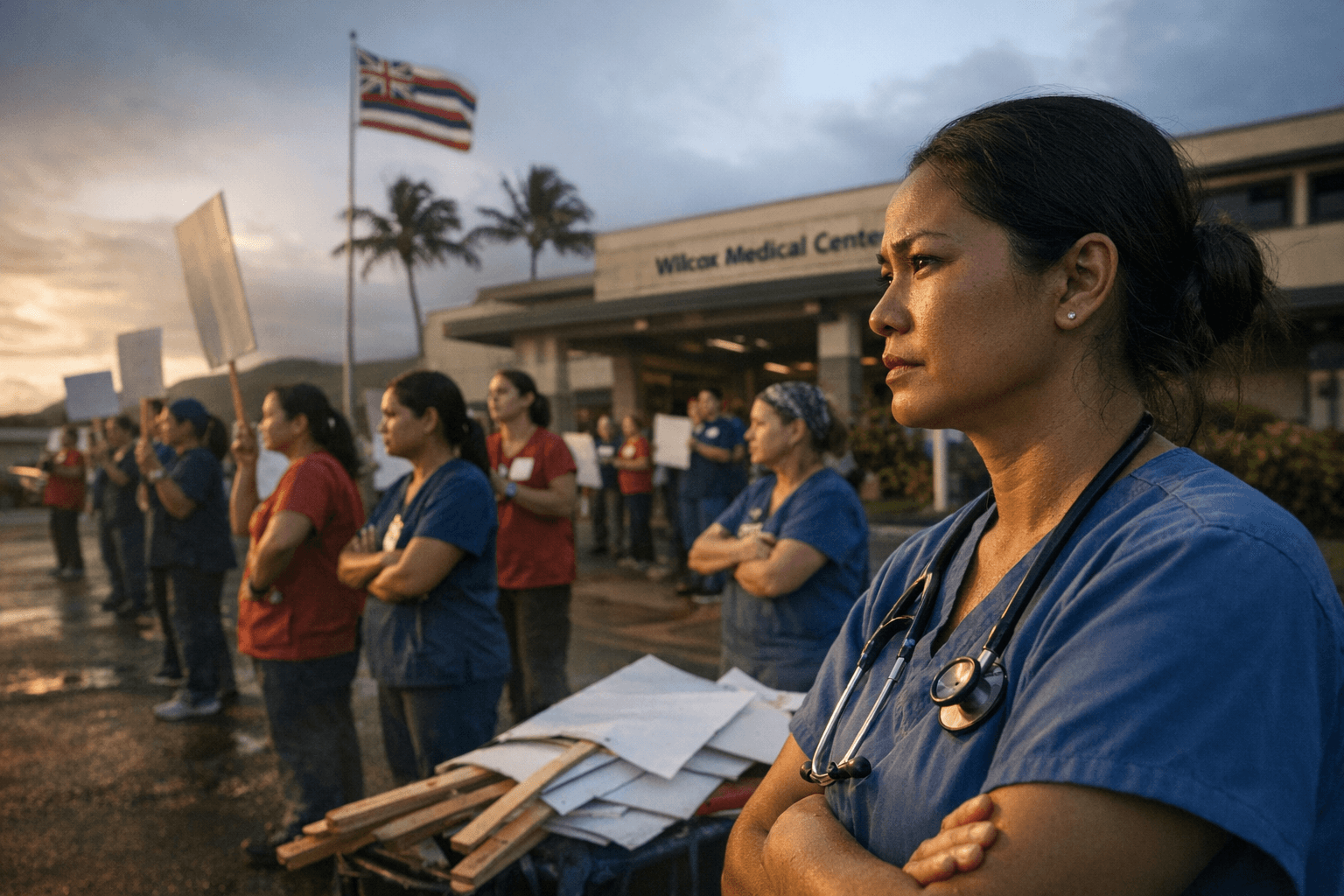
For Kauai County residents, the dispute raises immediate questions about access to timely care and the safety of hospital staffing levels. A strike at a single hospital can create ripple effects across local health services, forcing emergency departments and outpatient clinics to adjust staffing or divert patients. Hospital assurances that services will continue aim to limit disruption, but the potential for delays and strained resources underscores how working conditions for clinicians are tightly linked to community health.
Beyond the immediate operational concerns, the Wilcox vote highlights broader policy and equity issues in Hawaii’s health system. Rural and island communities depend on a limited number of providers, making staffing shortages and labor disputes more consequential for patient access. Advocates say enforceable staffing standards could promote safer care and fairer working conditions, while critics caution that rigid mandates without funding or workforce investments may be difficult to sustain.
As negotiations continue after the Jan. 2 vote, both HNA and hospital officials face pressure to find a resolution that protects patient safety, secures fair labor practices and maintains essential services for Kauai County residents.
Sources:
Know something we missed? Have a correction or additional information?
Submit a Tip