Kīlauea Point Moves to Ticketing System, Raises Access Questions
Kīlauea Point National Wildlife Refuge has shifted to a reservation and ticketing system for visitor access through Recreation.gov, changing how residents and visitors plan trips to the northernmost point of Kauaʻi. The change affects access to the historic Daniel K. Inouye Kīlauea Point Lighthouse, seabird colonies, and coastal wildlife viewing, and it raises questions about local access, tourism flows, and stewardship priorities.
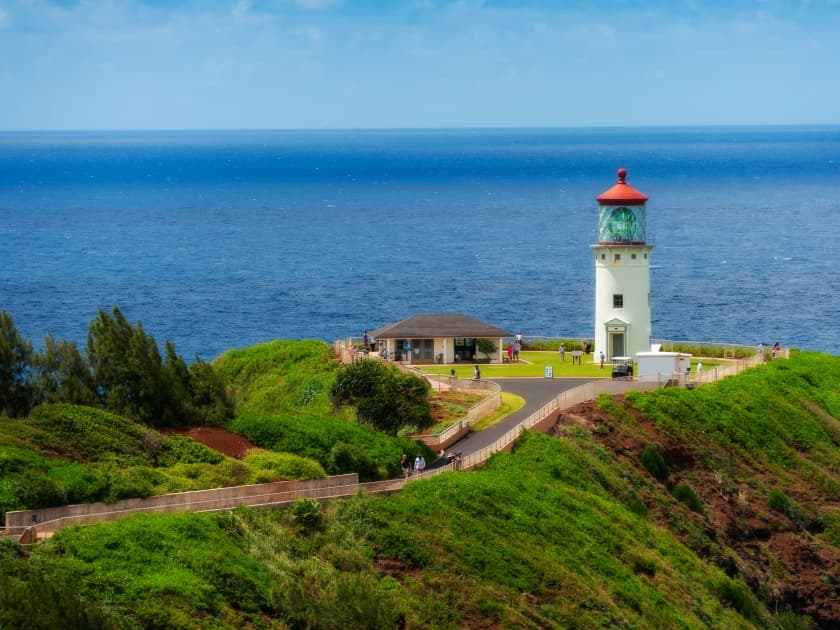
Kīlauea Point National Wildlife Refuge on the northernmost point of Kauaʻi now requires reservations and tickets through Recreation.gov for visitor access. The site includes the Daniel K. Inouye Kīlauea Point Lighthouse, built in 1913, and protects large seabird colonies including red footed boobies, great frigatebirds, and Laysan albatrosses. The refuge also provides opportunities to see nēnē, monk seals, green sea turtles, and seasonal humpback whales offshore during the November to April migration. The lighthouse and light station are listed on the National Register of Historic Places, and the location carries cultural and navigational significance dating to early twentieth century trans Pacific navigation.
The access change is part of broader management practices intended to protect habitat and manage visitor impact while sustaining educational programming, the visitor center, and ongoing habitat restoration work. These programs are core functions of the refuge and shape daily operations and volunteer opportunities. For residents who have long relied on informal visits, the reservation system alters planning, timing, and potentially the cost of visiting for family outings, school groups, and community volunteers who support restoration projects.
The policy implications are practical and civic. Ticketing can reduce crowding and help protect nesting seabirds, but it can also concentrate visitation into reserved time slots and shift tourism patterns across the island. Local businesses that depend on predictable visitor flows may see changes in demand, while equity advocates may press for provisions that preserve access for low income residents, kamaʻāina, and school groups. Federal management by the U.S. Fish and Wildlife Service and the refuge s listing on the National Register create preservation obligations that complicate any rapid operational changes, and they also open pathways for federal funding for repairs and conservation work.

For Kauaʻi s civic life, the change offers a clear point for engagement. County officials, community groups, educators, and voters can weigh in on how local needs and heritage values are balanced with conservation goals and tourism management. Residents planning visits should verify reservation requirements, hours, and any temporary closures or repair notices before traveling to the refuge.
Sources:
Know something we missed? Have a correction or additional information?
Submit a Tip