Kosovo Charges Three Over Canal Explosion Threatening Power Plants
Kosovo prosecutors filed charges against three suspects over a November 2024 blast at the Ibër Lepenc canal, an attack that damaged critical water infrastructure and disrupted drinking water and electricity production. The case raises immediate questions about energy security, regional tensions with Serbia, and the economic costs of protecting essential infrastructure.

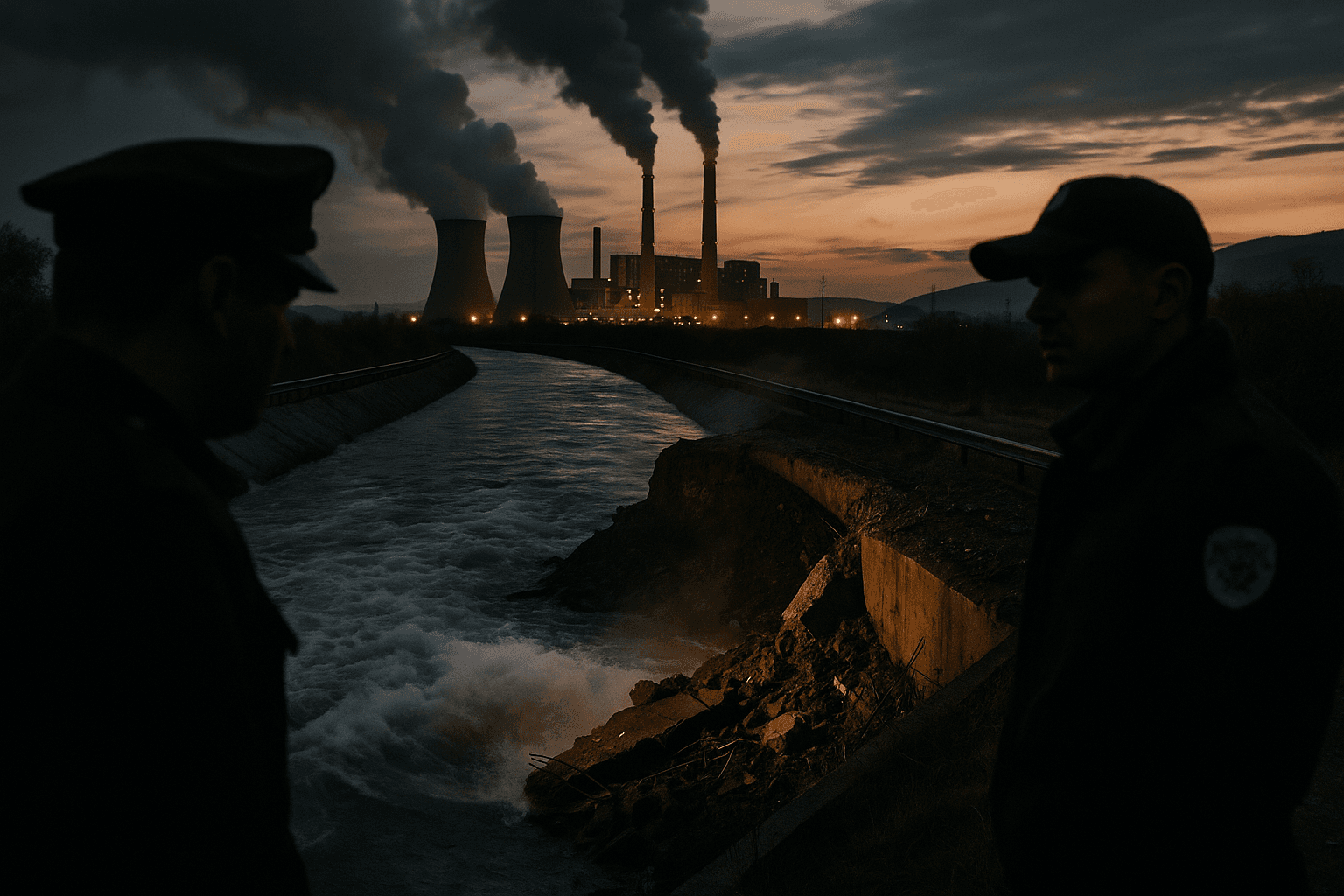
Kosovo prosecutors on Tuesday filed charges against three suspects accused of carrying out a November 2024 explosion at the Ibër Lepenc canal, a key water conduit that supplies two of the country’s main power plants. Authorities said roughly 20 kilograms of TNT had been placed in the canal, causing severe structural damage, interrupting drinking water supplies and threatening electricity generation that depends on the canal’s flow.
The defendants were identified only by initials and face an array of serious charges including terrorism, espionage and endangering the constitutional order. Prosecutors allege one of the accused works for Serbia’s military intelligence, an assertion that comes amid already strained relations between Pristina and Belgrade. Kosovo has labeled the blast a terrorist act orchestrated by Serbia, a claim Belgrade has rejected. Security patrols around the canal were increased in the aftermath of the prosecution announcement.
Beyond the criminal case, the incident has immediate economic and market implications. The canal supplies water to two major plants whose operations are sensitive to water availability and infrastructure integrity. The sudden interruption of water services forced operators to curtail or alter production cycles, raising the risk of higher electricity imports as Kosovo seeks to cover shortfalls. For an economy that has in recent years sought to stabilize energy supplies and attract investment in power generation, such disruptions increase the cost of doing business and raise the effective risk premium faced by investors in the energy sector.
A violent attack on critical infrastructure imposes both direct and indirect costs. Direct costs include emergency repairs to the canal and any plant maintenance tied to the shock. Indirect costs encompass higher wholesale electricity prices, compensatory diesel usage or imports, and potential penalties for measured service failures in water supply. Those costs can filter through to households and firms, increasing utility bills and reducing industrial competitiveness at a time when regional supply chains remain sensitive to price swings.
The prosecution underscores a wider policy challenge. Protecting energy and water infrastructure requires sustained investment in physical security, surveillance and rapid response capabilities, all of which carry budgetary implications for a small economy. The case also touches on cross border intelligence and legal coordination, since the involvement of an alleged foreign intelligence operative elevates the incident from a criminal act to a matter of state security and diplomacy.
Longer term, the episode may accelerate policy shifts toward diversification and resilience. Governments and regulators in the Balkans and across Europe have begun to reassess dependencies that leave power systems vulnerable to single points of failure. Strengthening redundancy in water and energy networks, accelerating modular and distributed generation, and embedding contingency procurement strategies are likely to move higher up policy agendas.
Kosovo’s prosecution marks a decisive legal step in assigning responsibility, but the broader economic fallout will depend on the speed of infrastructure repairs, the outcome of diplomatic exchanges with Serbia, and the extent to which investors perceive the risk to critical assets as manageable. For households and businesses already coping with inflationary pressures, the disruption serves as a reminder that physical security and geopolitical tensions can quickly translate into tangible economic pain.
Sources:
Know something we missed? Have a correction or additional information?
Submit a Tip