Kumu Hula Nālani Kanakaʻole Dies at 79; Hilo Mourns Cultural Loss
Nālani Kanakaʻole, a revered kumu hula who preserved and taught ancient Hawaiian chant and hula kahiko, died peacefully in Hilo on January 5, 2026, at age 79. Her passing marks a substantial loss for Big Island cultural life, where her decades of teaching and leadership at Hālau O Kekuhi sustained intergenerational transmission of mele oli and traditional dance.

Nālani Kanakaʻole, a widely respected kumu hula and cultural practitioner, died peacefully in Hilo on January 5, 2026. Born March 19, 1946, in Keaukaha, Hilo, she spent her life transmitting Hawaiian cultural knowledge through chant, hula kahiko and the vigorous ‘aihaʻa-style dance that became a signature of her teaching.
Kanakaʻole trained from a very young age under the guidance of her grandmother and mother, inheriting a lineage of practice that she later extended to students across the island and beyond. For decades she led Hālau O Kekuhi, an institution known locally for its emphasis on mele oli—unaccompanied chant—and rigorous traditional choreography. Her work focused on perpetuating Hawaiian cultural knowledge through daily instruction, performance and mentoring of younger kumu and practitioners.
The immediate impact on Hilo and the larger Big Island community is profound. Hālau O Kekuhi has been a focal point for cultural education, ceremony and public performances that reinforce Hawaiian language, history and identity in community life. The loss of a leader with seven decades of lived experience in chant and kahiko raises questions about succession and the continued practice of lineal teaching methods that rely on close, intergenerational transmission.
Beyond intangible cultural loss, Kanakaʻole’s decades of activity supported community cohesion and cultural tourism that draws visitors to local performances and educational events. Her role underscores the economic as well as social value of investing in cultural institutions, language revitalization and training for new teachers. Local policymakers and funders may need to reassess support for halau programs, archives of chant and dance, and initiatives that document and sustain embodied knowledge before further experienced practitioners retire or pass on.
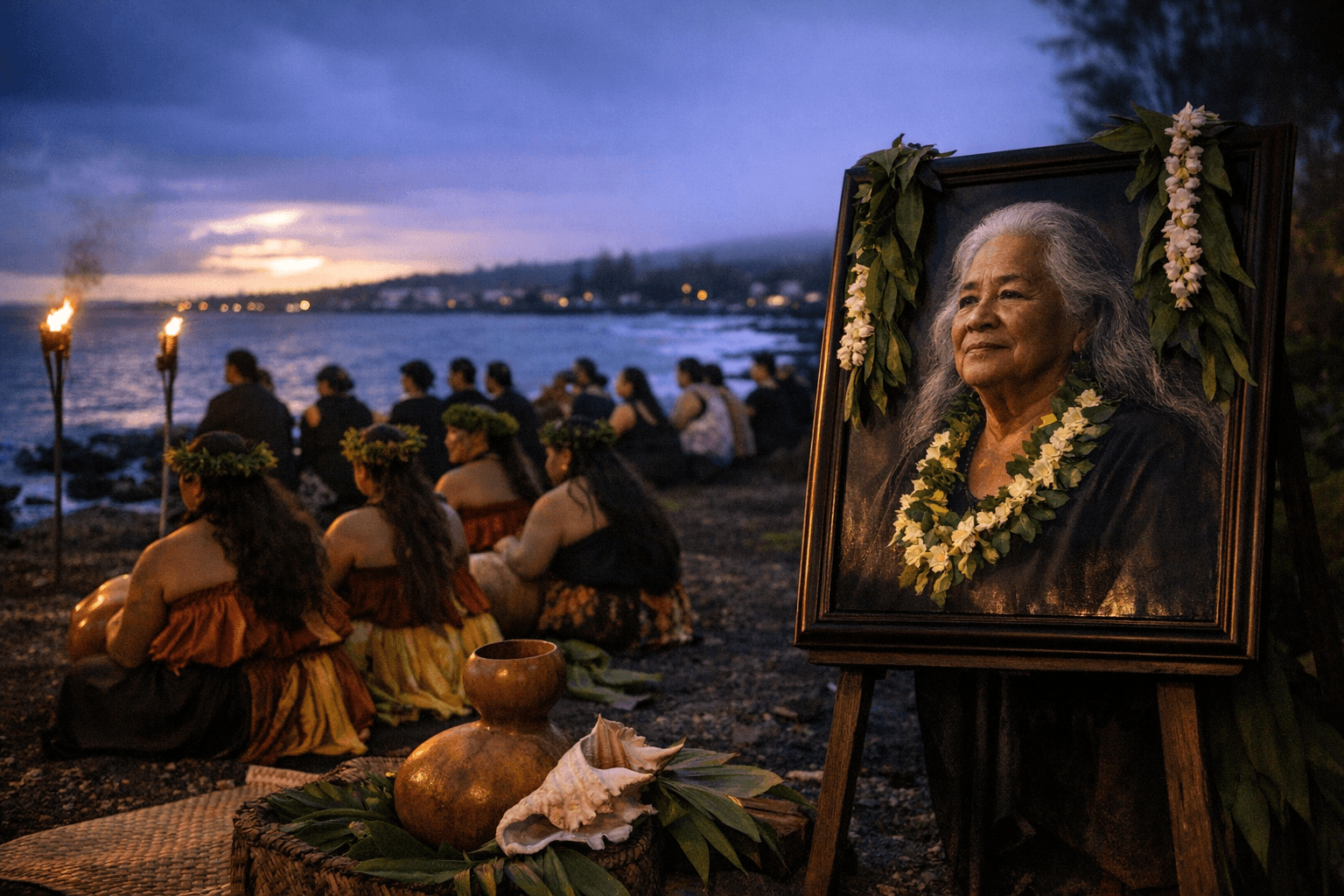
Kanakaʻole’s legacy will persist through the students she taught and the practices she helped keep alive. Her focus on mele oli and the ‘aihaʻa style anchored a living connection to Hawaiian traditions in Hilo neighborhoods like Keaukaha and beyond. As the community moves into a period of mourning, attention will turn to preserving recordings, training materials and the informal mentorship networks that enabled her decades-long work to endure.
Her death closes a chapter in Big Island cultural stewardship but also highlights the urgency of safeguarding transmission pathways so future generations can continue the chants, the steps and the meanings she dedicated her life to preserving.
Sources:
Know something we missed? Have a correction or additional information?
Submit a Tip