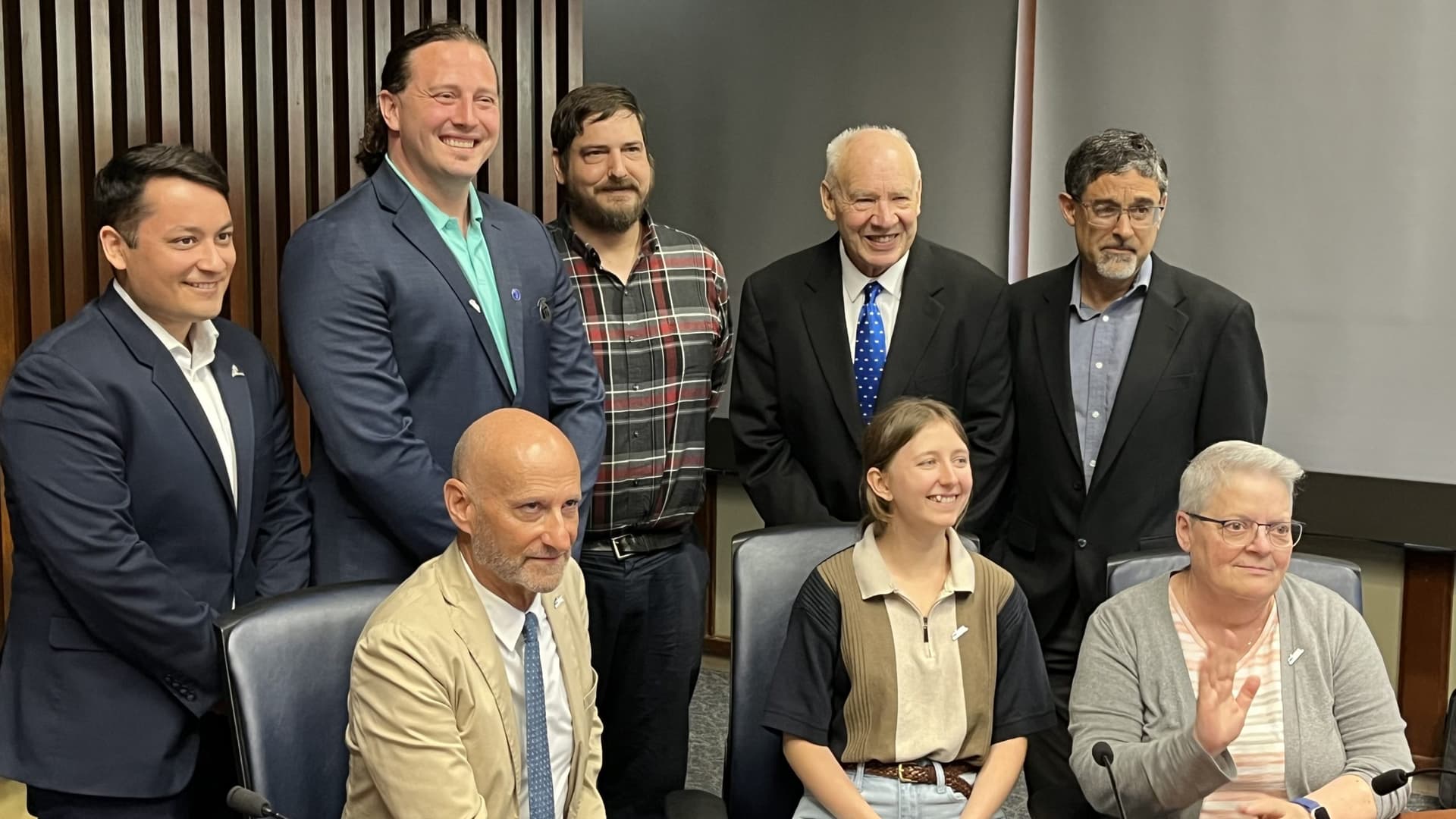
LCC Board Held Executive Session on Labor Negotiations
Lane Community College's Board of Education held an executive session on Friday December 5 2025 to deliberate labor negotiations under ORS 192.660 (2)(d). The meeting took place in the LCC Boardroom on the main campus and meeting materials were made available on the BoardDocs portal, a development that matters for faculty and staff bargaining and for community programs tied to the college.
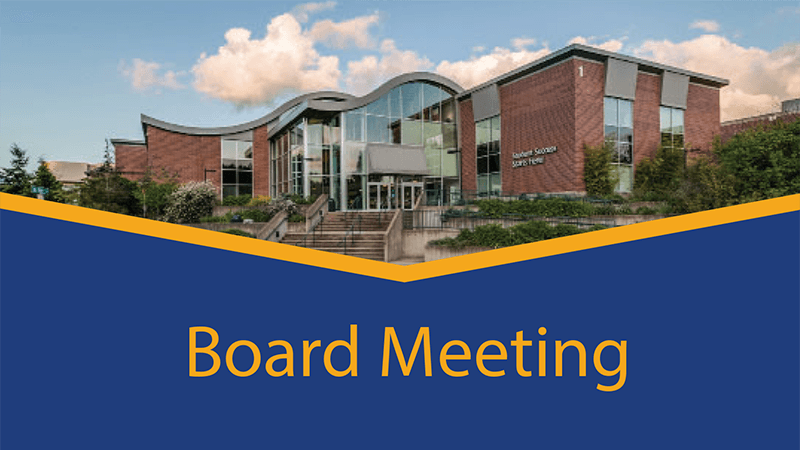
Lane Community College's Board of Education convened a closed executive session on December 5 2025 to conduct deliberations related to labor negotiations under Oregon statute ORS 192.660 (2)(d). The session was hosted in the LCC Boardroom in Building 3 on the main campus, and the college posted meeting materials on its BoardDocs portal for public review.
The college indicated the session was part of routine board governance around bargaining and institutional business. Media contact information was provided by the institution for follow up questions. Lane Community College serves more than 17 000 students and is a major economic partner in the region, making the outcome of bargaining discussions relevant beyond campus boundaries.
Under the cited statute the board may meet in private to discuss negotiation strategy and personnel matters related to collective bargaining. Executive sessions limit public attendance while preserving the board's ability to deliberate on sensitive negotiation positions. The college made logistical information available in advance, and the public record will include any actions the board takes following the closed deliberations.
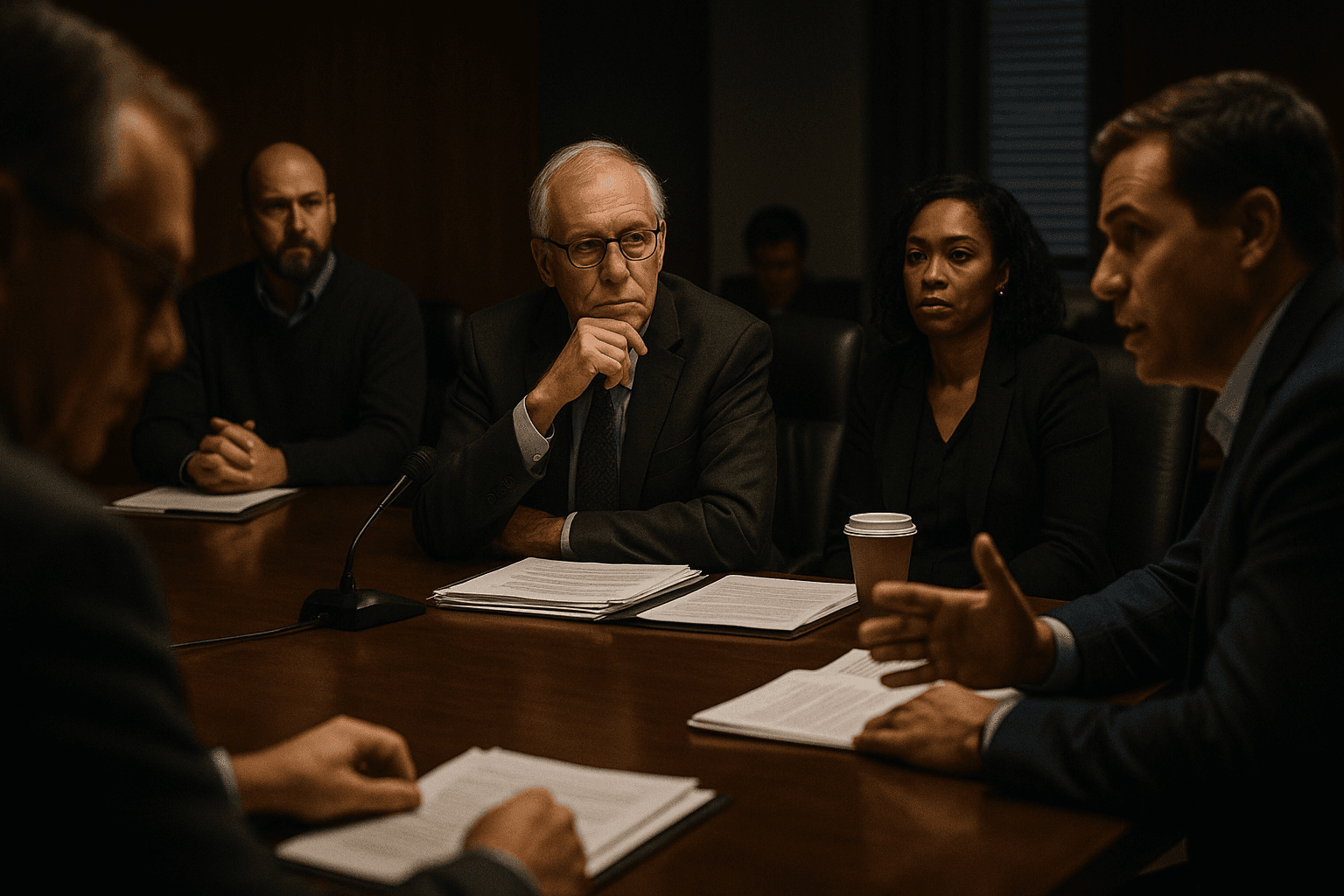
For Lane County residents the effects of labor negotiations can be practical and immediate. Settlements influence faculty and staff compensation, work rules, and staffing levels which in turn affect class availability, student support services, and program continuity. Budget decisions tied to negotiated agreements can also shape the college's capacity to maintain workforce training programs that feed local employers and support regional economic development.
Transparency around timing and documentation matters for civic oversight. Residents and stakeholders who wish to track developments should review the posted meeting materials on the BoardDocs portal and direct questions to the college media contact. Any formal ratification of agreements or subsequent open board action will be reflected in public minutes and future board agendas, which will provide the fuller record of decisions that affect students staff and the wider Lane County community.