Living Treasures Program Honors Six Cultural Stewards in 2026
The Honpa Hongwanji Mission of Hawai‘i announced the 51st-year Living Treasures of Hawai‘i honorees on Jan. 3, 2026, recognizing six individuals for lasting contributions to cultural preservation, disability access, and community health. The awards highlight local work that sustains traditions, improves services for blind and low-vision residents, and links cultural practice to physical and mental well-being; a luncheon is scheduled Feb. 21 at the Hilton Hawaiian Village Coral Ballroom.
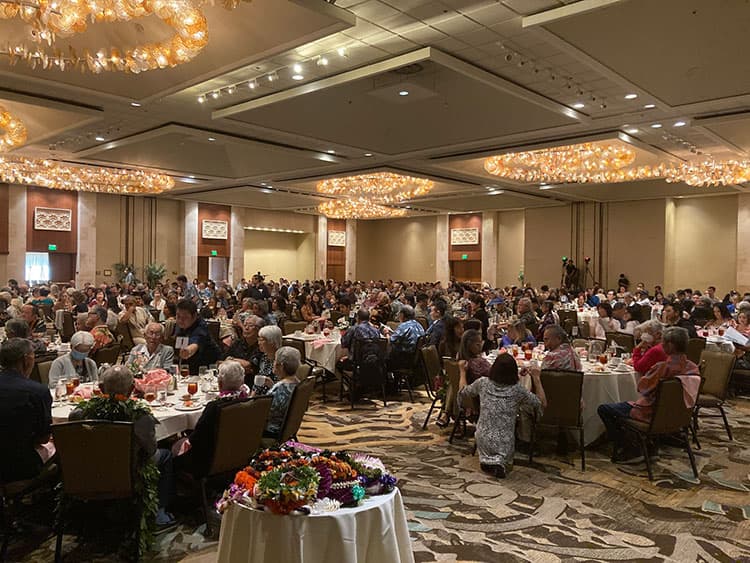
On Jan. 3, 2026, the Living Treasures of Hawai‘i program, created by the Honpa Hongwanji Mission of Hawai‘i and inspired by Japan’s Living National Treasures, announced its 51st-year honorees. The program recognized six people whose lifetimes of work have strengthened cultural life, community health, and social inclusion across the islands.
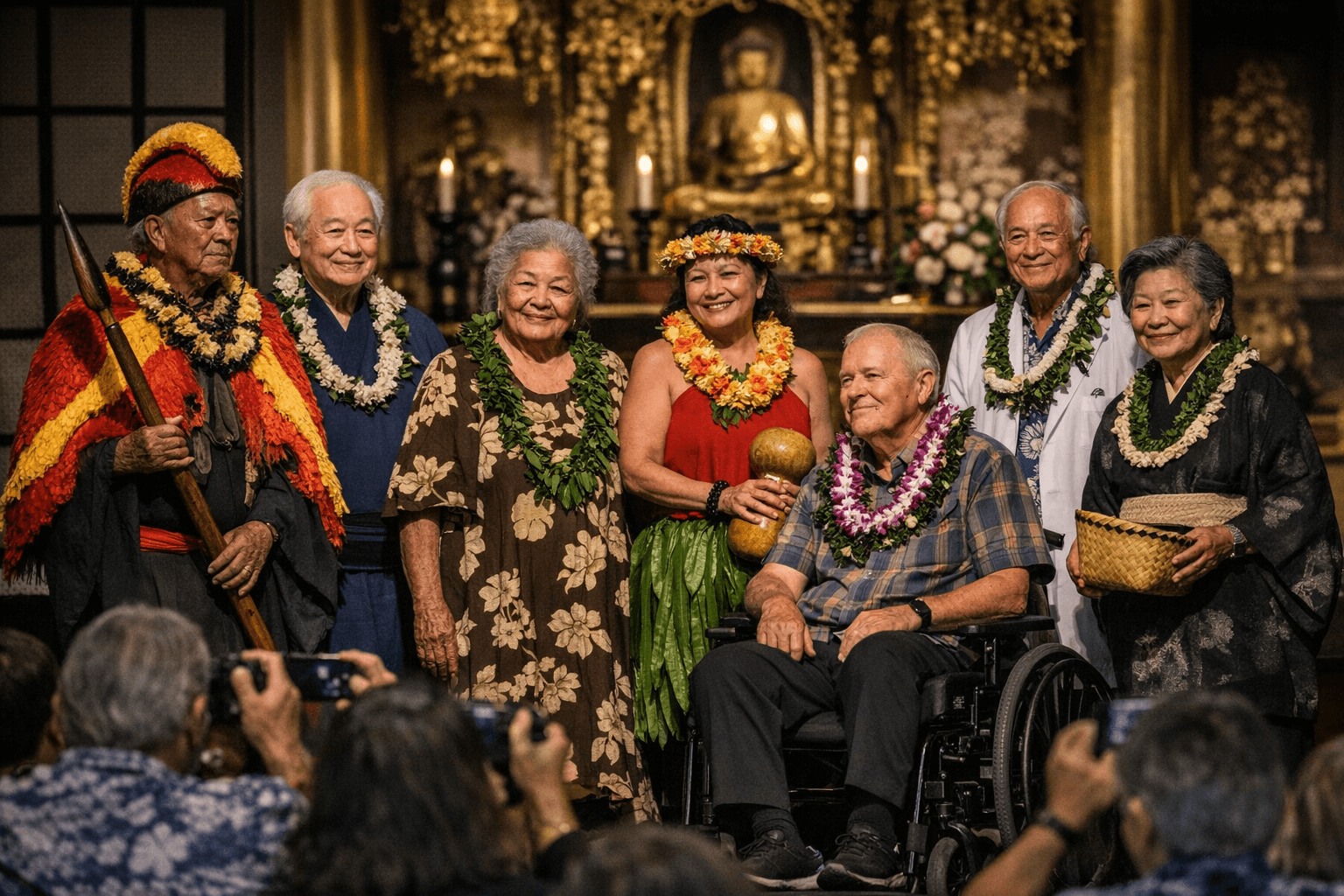
Honorees include Dr. Billy Bergin, a veterinarian and Parker Ranch leader who has documented and preserved paniolo traditions and ranching knowledge that anchor parts of Hawai‘i’s rural culture. Dr. Bruce Ka‘imiloa Chrisman, a physician and cultural practitioner, has revived traditional Hawaiian arts and teaches the ipu pawehe, helping restore practices that carry both cultural meaning and pathways to wellbeing. Kumu hula Māpuana de Silva was honored for a career devoted to preserving traditional hula and for leading programs that explicitly connect hula to health and community well-being. Jim and Vickie Kennedy were recognized for decades of disability advocacy and nonprofit leadership that improve access and services for blind and low-vision residents. Sheree Tamura was honored as a longtime teacher and performer of Japanese classical dance and as an educator who has expanded cultural understanding in Hawai‘i.
The Living Treasures selections underscore how cultural practitioners and advocates serve public health and social equity goals. Preservation of language, dance, crafts, and ranching knowledge can bolster intergenerational ties and mental health, while community programs that incorporate traditional arts offer low-cost, culturally relevant ways to support physical activity and emotional resilience. Meanwhile, advocacy for blind and low-vision residents addresses barriers to access that shape daily life, employment, and social participation, particularly in island communities where services can be scarce or centralized on other islands.
For Kauai County residents, the honorees’ work highlights local priorities: sustaining cultural transmission, expanding inclusive services, and investing in community-based approaches to health. The recognition also raises policy questions about funding and infrastructure that support practitioners, educators, and disability service organizations across all islands. Strengthening partnerships between government, nonprofits, and cultural institutions can help ensure programs reach rural and remote residents and that cultural health initiatives are recognized as essential components of community wellbeing.
The Living Treasures luncheon is scheduled for Feb. 21, 2026, at the Hilton Hawaiian Village Coral Ballroom. Residents seeking tickets or more information can visit the Living Treasures of Hawai‘i website. The awards are a reminder that preserving culture and expanding access are central to the islands’ public health and social equity.
Sources:
Know something we missed? Have a correction or additional information?
Submit a Tip