Los Angeles Jury Awards 40 Million in Talc Ovarian Cases
A Los Angeles jury on December 13 and 14 awarded a total of 40 million to two women who alleged long term use of Johnson and Johnson talc products caused their ovarian cancer. The decision, part of the first bellwether trial in California coordinated proceedings, deepens public scrutiny of the company and raises questions about regulatory oversight and support for affected patients.
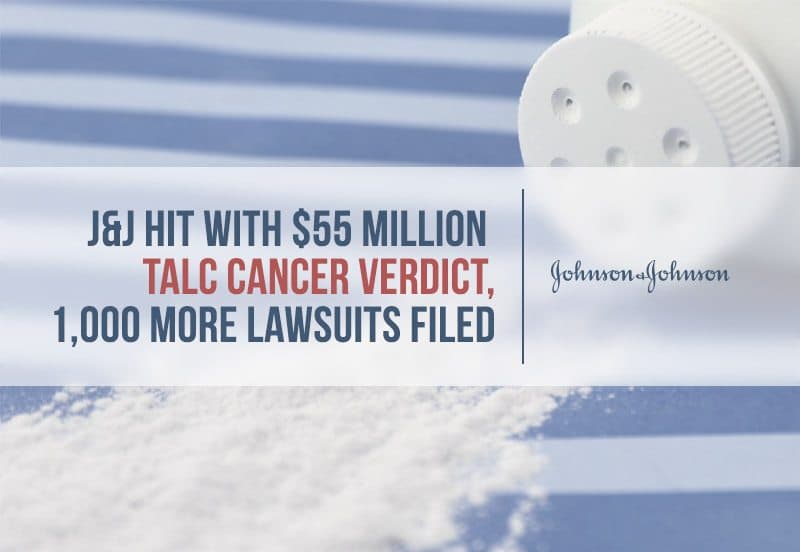
A Los Angeles jury on December 13 and 14 returned a 40 million verdict for two women who said long term use of Johnson and Johnson talcum powder products led to ovarian cancer. The award was apportioned as 18 million to Monica Kent and 22 million to Deborah Schultz and her husband, with reporting characterizing the sums as compensatory and non economic damages. The jury did not award punitive damages and did not find that Johnson and Johnson acted with malice or fraud in this case.
The trial was the first bellwether in California’s coordinated proceedings over whether talc in Johnson and Johnson Baby Powder and Shower to Shower can cause ovarian cancer and other gynecological disease. Bellwether trials are intended to test legal theories and help both sides evaluate exposure and strategy, and this outcome will shape the prospect of future litigation and possible settlement talks. Johnson and Johnson said it intends to appeal both the liability finding and the compensatory awards.
The verdict arrives amid a long and turbulent history of talc litigation against the company. In 2017 a Los Angeles jury awarded 417 million to plaintiff Eva Echeverria, a verdict later overturned on appeal after expedited trial proceedings related to the plaintiff’s declining health. Other large awards in cases claiming asbestos contamination and links to mesothelioma have been widely reported, including a multimillion dollar jury decision referenced in coverage last year. In April 2025 a U.S. bankruptcy court judge rejected Johnson and Johnson’s proposed 9 billion settlement intended to resolve thousands of talc related claims.
Johnson and Johnson has changed course on product formulation in recent years, replacing talc with cornstarch in baby powder sold in most of North America in 2020 and ending sales of talc based powder worldwide in 2023. Those corporate steps, together with repeated jury awards and appellate rulings, have left consumers, health professionals and regulators confronting unsettled questions about long term exposure, risk communication and corporate accountability.
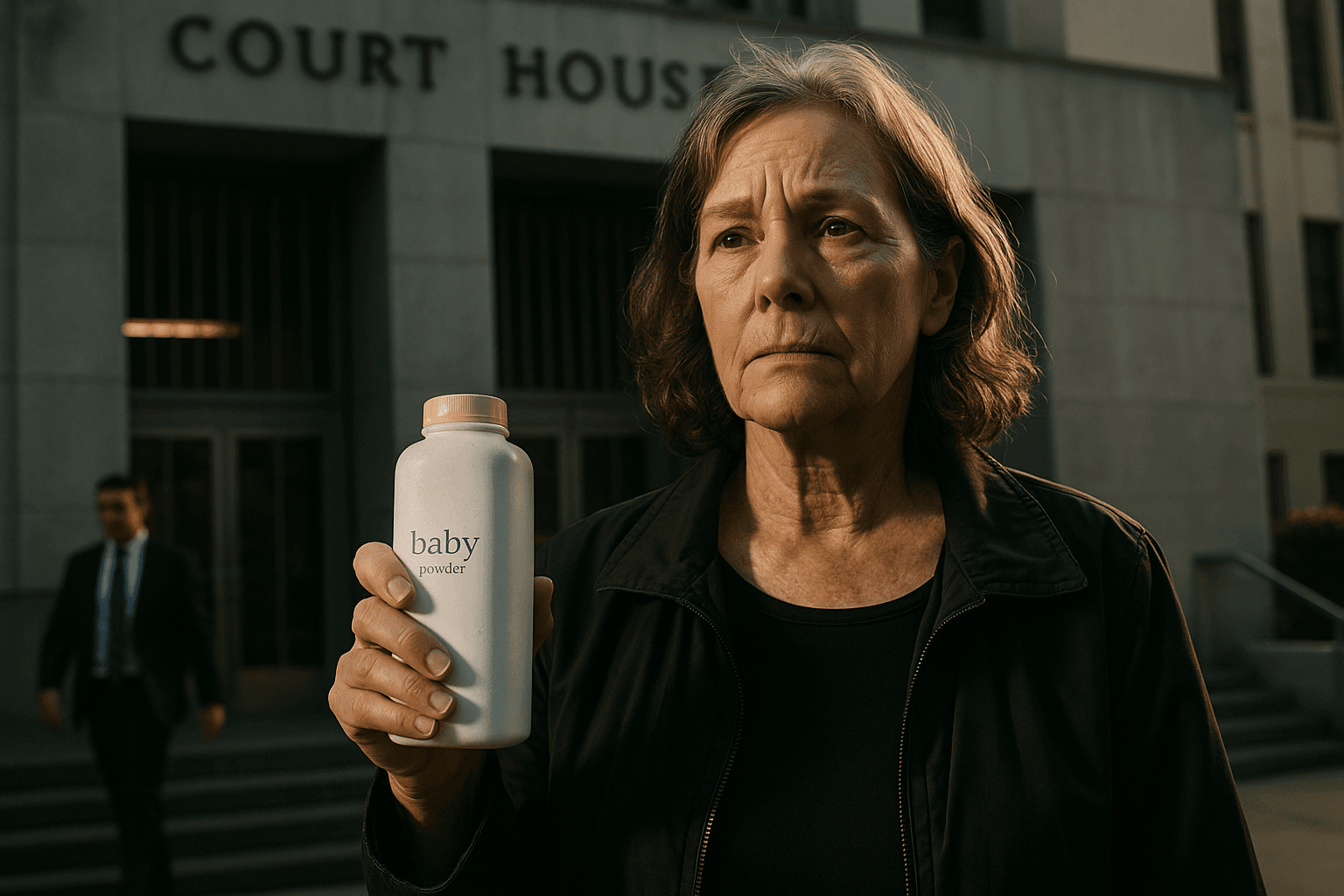
Public health specialists say the litigation spotlights gaps in scientific certainty and regulatory clarity around consumer products that historically have been marketed for infant care and feminine hygiene. The verdict will likely prompt renewed calls for independent research into potential links between cosmetic talc and ovarian cancer, and for clearer guidance from federal and state agencies on product safety and labeling. For patients and families already grappling with cancer, legal outcomes provide one route to compensation, but do not resolve the broader needs for medical care, screening, and support services that often fall hardest on low income and underserved communities.
As the case moves to appeal, the award will be closely watched by plaintiffs in coordinated state courts and survivors who say they still seek answers and accountability. The legal trajectory will continue to intersect with ongoing scientific debate and policy questions about how consumer safety is regulated and how communities affected by chronic disease can obtain both care and redress.
Sources:
Know something we missed? Have a correction or additional information?
Submit a Tip