Markets Price Near Certain Fed Rate Cut, Debate Over Hawkish Cut
Futures and major banks are pricing in a 25 basis point Federal Reserve cut at the December 9 and 10 meeting, a near certainty that is reshaping markets and borrowing costs. Investors face a delicate calculus, if the Fed pairs easing with a deliberately cautious statement the central bank could blunt expectations for further cuts and influence yields and risk appetite.
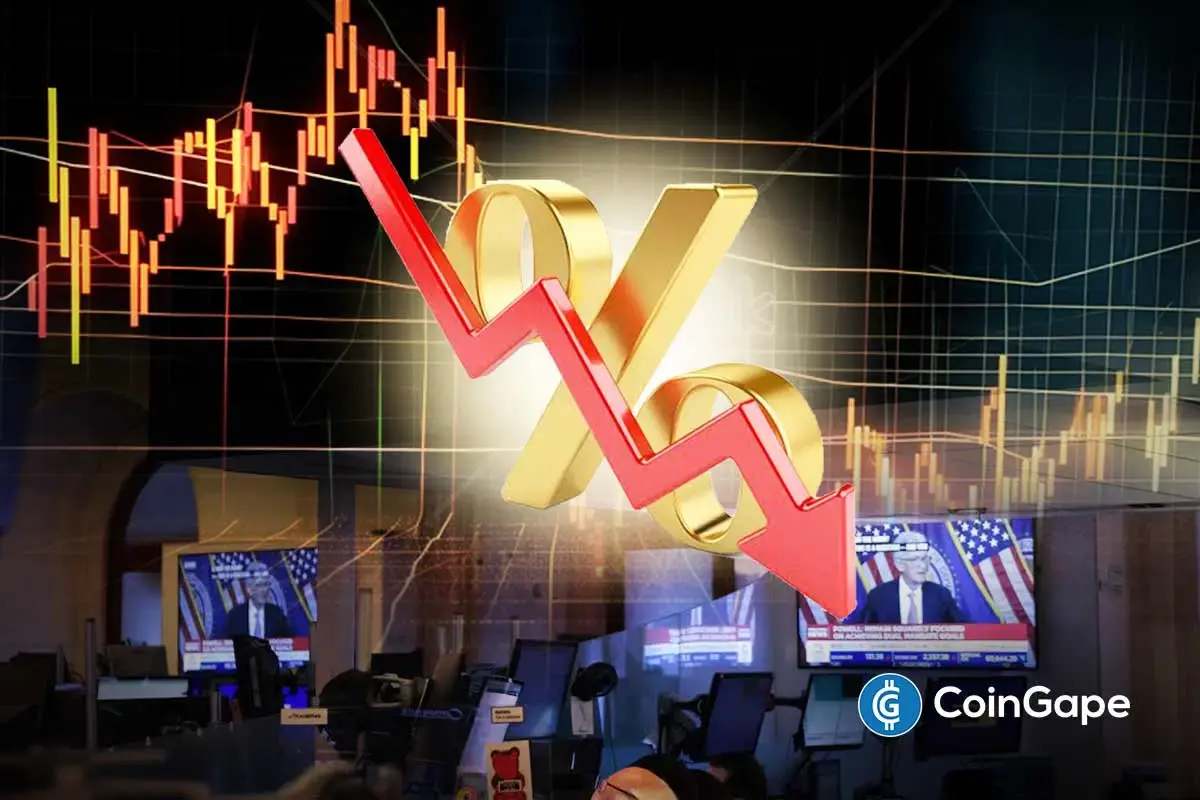
Financial markets are moving decisively toward an expectation that the Federal Reserve will reduce its policy rate by 25 basis points at the December 9 and 10 Federal Open Market Committee meeting, pricing in what market participants describe as a near certain outcome. The consensus among futures and large institutions has tightened over the past 24 hours, reflecting softer signs in the labor market and easing inflation pressures that together have reduced the urgency of restrictive policy.
Economists point to a string of recent indicators that have weakened the case for further tightening, and that now support initial easing. Employment gains have cooled from the rapid pace seen in the recovery years, and measures of price growth have moderated from peaks recorded earlier in the cycle. Those dynamics have shifted market odds toward an opening move to lower policy rates, with major banks and short term interest rate contracts reflecting a 25 basis point step down as the baseline.
At the same time the Fed is confronting a policy communication challenge. Several officials reportedly favor pairing a rate cut with a forward looking statement that signals caution on the path ahead, an approach being described in markets as a hawkish cut. The aim would be to reduce near term borrowing costs while restraining expectations for a rapid sequence of additional cuts, thereby keeping a leash on medium term inflation expectations and long term yields.
The distinction matters for market pricing. A plain rate cut accompanied by permissive forward guidance would likely push down Treasury yields across the curve and strengthen risk appetite, lowering borrowing costs for mortgages and corporate credit. A hawkish cut that emphasizes data dependence and the possibility of a higher terminal rate would temper those moves, likely leaving longer term yields and risk premia higher than in a full accommodation scenario.

Investors will scrutinize the language of the policy statement and any accompanying projections. The Fed’s ability to thread the needle depends on the clarity of its message and the credibility of its inflation control record. Officials caution that premature easing could reignite price pressures, a concern that underlies the reported preference among some policymakers for a cautious, guarded tone even while initiating cuts.
Market participants are also watching how the Fed’s communication strategy could influence the transmission of policy. If a hawkish cut materializes, term premia may not compress as much as in prior easing cycles, which would limit the pass through to consumer and business borrowing costs. Conversely, more dovish messaging could amplify the impact of a single 25 basis point cut into broader easing expectations, raising the prospect of a quicker reduction in real interest rates.
As the December meeting approaches, the interaction between actual policy action and the Fed’s narrative will determine whether markets view this as the start of sustained easing or as a one off adjustment. That decision has implications for asset allocation, credit conditions, and the trajectory of inflation and growth into 2026.
%3Amax_bytes(150000)%3Astrip_icc()%2F100901867_soybeans-60844bfb2b68432a8447f18fa34d28b5.jpg&w=1920&q=75)