MatterHackers filament hub cuts guesswork from printing and finishing
MatterHackers maintains practical filament guides covering PLA, PETG, ABS, Nylon, TPU and blends to help pick materials and solve printing issues. Use the pages for setup, adhesion and finishing tips.
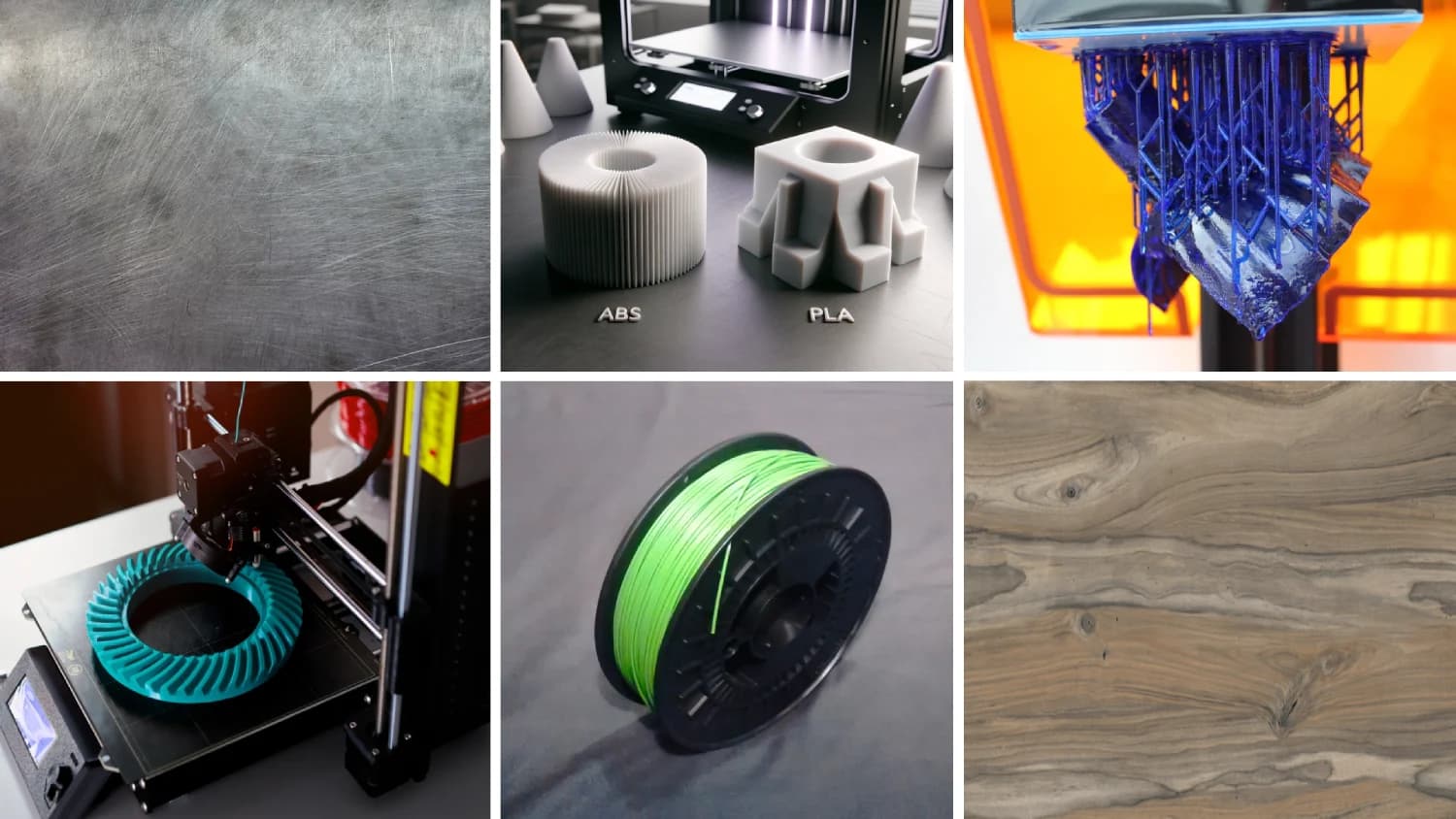
MatterHackers maintains a set of practical, hands-on guides for choosing and printing with common and specialty filaments, giving community builders a single place to check material tradeoffs, slicer settings and post-processing tips. The pages cover PLA, PETG, ABS, Nylon, TPU and specialty blends, and link to how-to articles that address filament comparison, recommended temperature and bed settings, adhesion strategies, and finishing and troubleshooting workflows.
The site’s filament comparison charts and linked articles collect the kinds of details most often scattered across forum threads and test prints: which materials favor strength or flexibility, how surface and bed prep affect adhesion, and how finishing approaches influence final appearance and durability. MatterHackers backs the content as a vendor, but the pages include specific printing recommendations and practical surface and adhesion suggestions that experienced makers use to tune slicer profiles and reduce print failures.
For anyone wrestling with warping, stringing, poor layer adhesion or brittle parts, the pages serve as a quick lookup for starting points and next steps. The resources group recommended temperature and bed settings alongside troubleshooting paths and finishing tutorials, so you can move from a failed print to a calibrated setup and then to sanding, painting or other finishing methods. The site also links deeper into tutorials that explain step-by-step adjustments rather than leaving readers to guess at fixes.
Community relevance is straightforward: having consolidated, actionable advice saves time and filament. Instead of hunting disparate forum posts, check the filament pages for targeted guidance and linked deep dives. Verify the recommendations against your printer and slicer, run a small calibration print, and keep notes on the settings that work for your hot end, build surface and ambient conditions.

Access the material directly at matterhackers.com/store/c/3d-printer-filament for comparison charts, recommended settings and troubleshooting articles. Use the pages as a living reference: cross-check slicer profiles, test one variable at a time, and apply the finishing workflows to lift a part from rough print to usable piece.
What this means for makers is practical: fewer wasted spools, quicker dialing in of profiles, and clearer paths from first-layer troubles to finished parts. Expect to save time on material selection and reduce iteration cycles by treating the MatterHackers filament pages as a calibration and finishing playbook tailored to hobby-level printers.
Sources:
Know something we missed? Have a correction or additional information?
Submit a Tip

