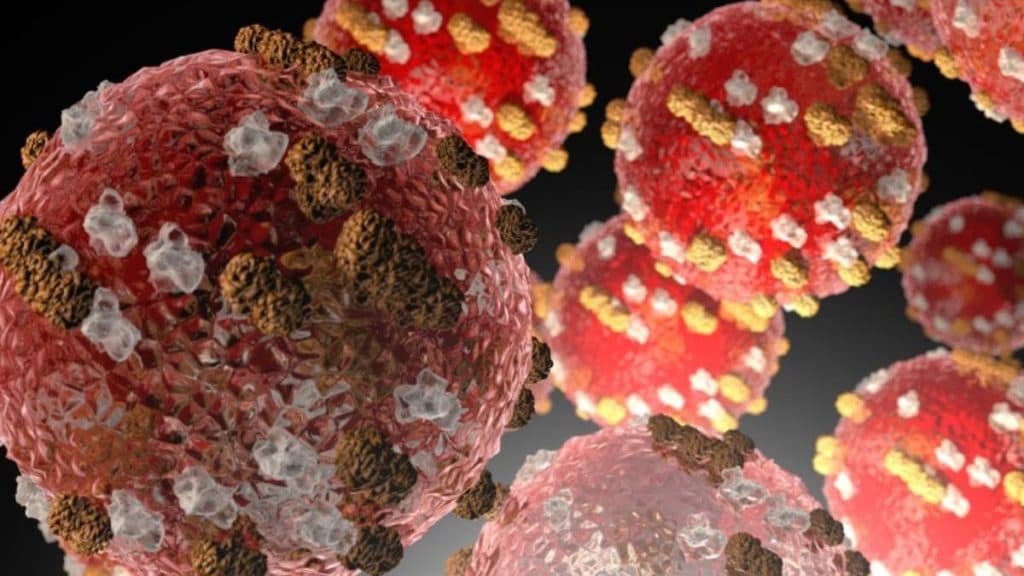
Medical Authorities Urge Timely Hepatitis B Vaccine for Newborns
On December 8, 2025, the West Coast Health Alliance and major medical societies urged that newborns continue to receive the first dose of hepatitis B vaccine within 24 hours of birth for babies who meet the weight threshold, followed by completion of the full series. The guidance responds to recent federal changes and matters to Kauai families because the birth dose serves as a critical safety net against chronic infection and reduces the chance that infants miss the vaccine series.
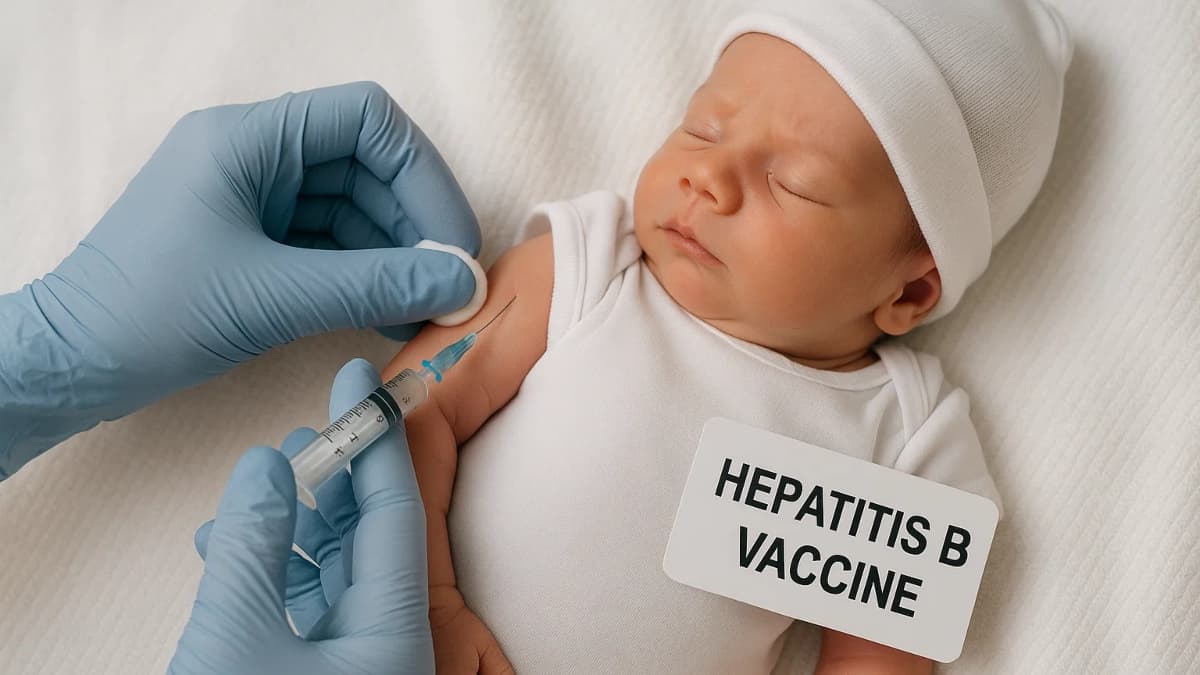
The West Coast Health Alliance joined national pediatric, obstetric, and infectious disease organizations on December 8, 2025 in urging hospitals and birthing providers to routinely offer hepatitis B vaccination to newborns within 24 hours when infants weigh at least 4 pounds, 7 ounces, and to ensure completion of the vaccine series. The recommendation aligns with guidance from the American Academy of Pediatrics, the American College of Obstetricians and Gynecologists, and the Infectious Diseases Society of America and comes in response to recent federal advisory committee changes that removed a universal newborn requirement.
Medical experts framed the early dose as a safety net. Infants infected at birth face up to a 90 percent risk of developing chronic hepatitis B, which can lead to chronic liver disease, liver cancer, and premature death. Health officials warned that delaying the first dose could increase the risk of infection and reduce the likelihood that families complete the full vaccine series.
For Kauai County residents the practical implications are immediate. Birthing hospitals, midwives, and pediatric clinics on the island will need to maintain protocols to offer the birth dose before newborns leave the hospital, and public health partners must ensure follow up for the remaining doses. Rural geography, transportation barriers, and gaps in insurance coverage can make completion of multi dose vaccine series more difficult here, so keeping the initial dose at birth helps protect infants who may otherwise lose access to routine pediatric care.
The Hawaiʻi Department of Health and local providers will have a central role in communicating the continued recommendation to expectant parents, coordinating perinatal screening for hepatitis B, and monitoring vaccination rates. Maintaining high coverage at birth supports health equity by protecting infants from households or other contacts who may unknowingly carry the virus, and by reducing preventable lifelong illness in communities already facing health disparities.
As hospitals and clinics update protocols, parents in Kauai are advised to discuss hepatitis B vaccination with their birth team during prenatal visits, confirm infant weight eligibility at delivery, and plan for timely follow up appointments to complete the vaccine series.
Sources:
Know something we missed? Have a correction or additional information?
Submit a Tip