Mixue Opens Los Angeles Store as Brazil Crop Outlook Softens
On January 1, 2026, the Chinese coffee and dessert chain Mixue launched its first United States location in Los Angeles as part of a broader global expansion. At the same time, analysts cut Brazil's 2025–26 arabica expectations after erratic weather, and ICE coffee futures moved unevenly as traders weighed weather and inventory signals—developments that affect sourcing, pricing, and local competition.
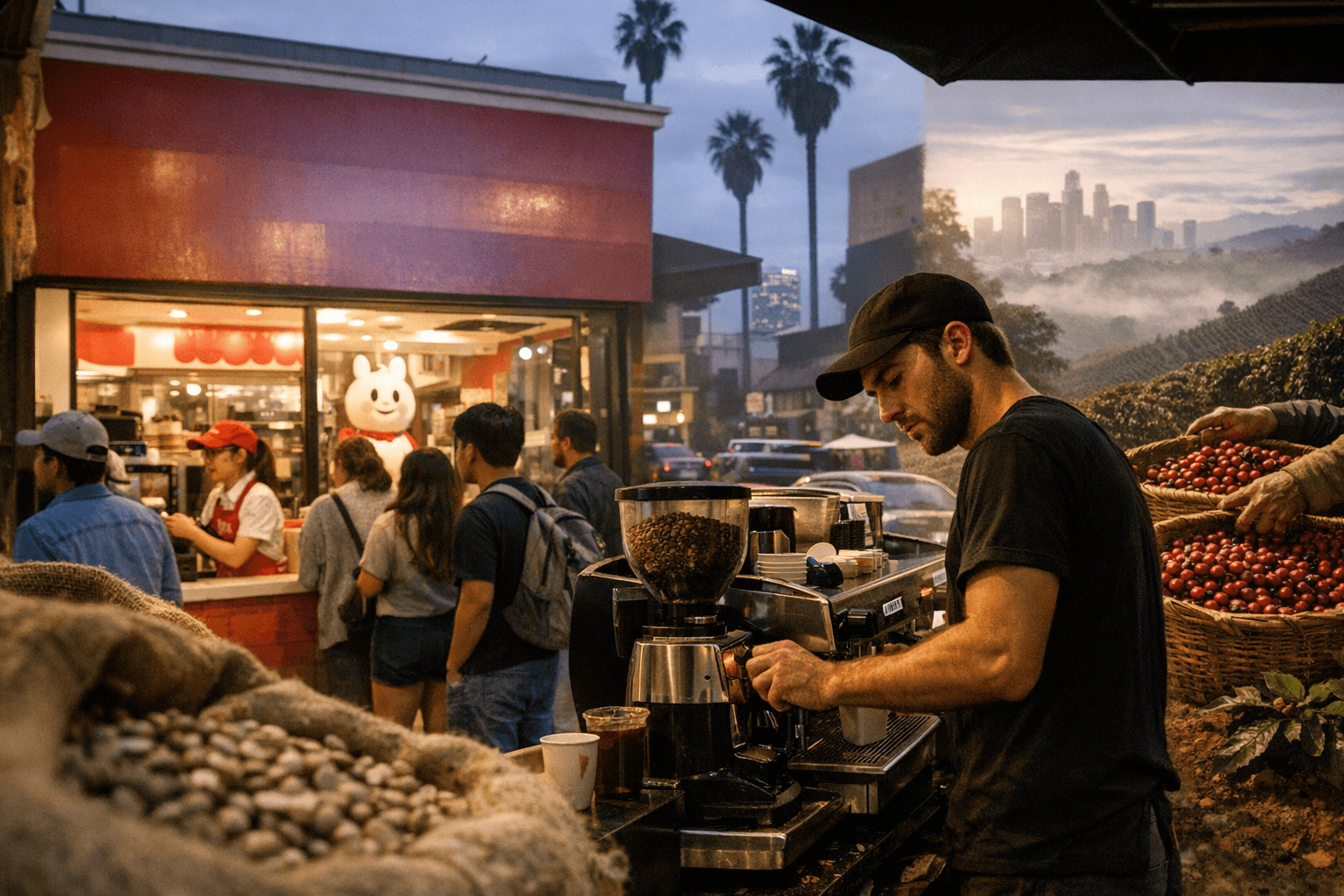
Mixue made its U.S. debut with a new Los Angeles storefront on January 1, 2026, advancing a global expansion strategy that industry watchers say will bring a new player into crowded metropolitan retail markets. The arrival introduces another retail option for consumers and a potential competitor for local cafés, particularly in neighborhoods where affordable, high-traffic concepts drive footfall and impulse purchases. For independent shop owners and roasters, the immediate impact will depend on location and customer demographics; expect targeted competition for quick-serve trade and social media-driven visits.
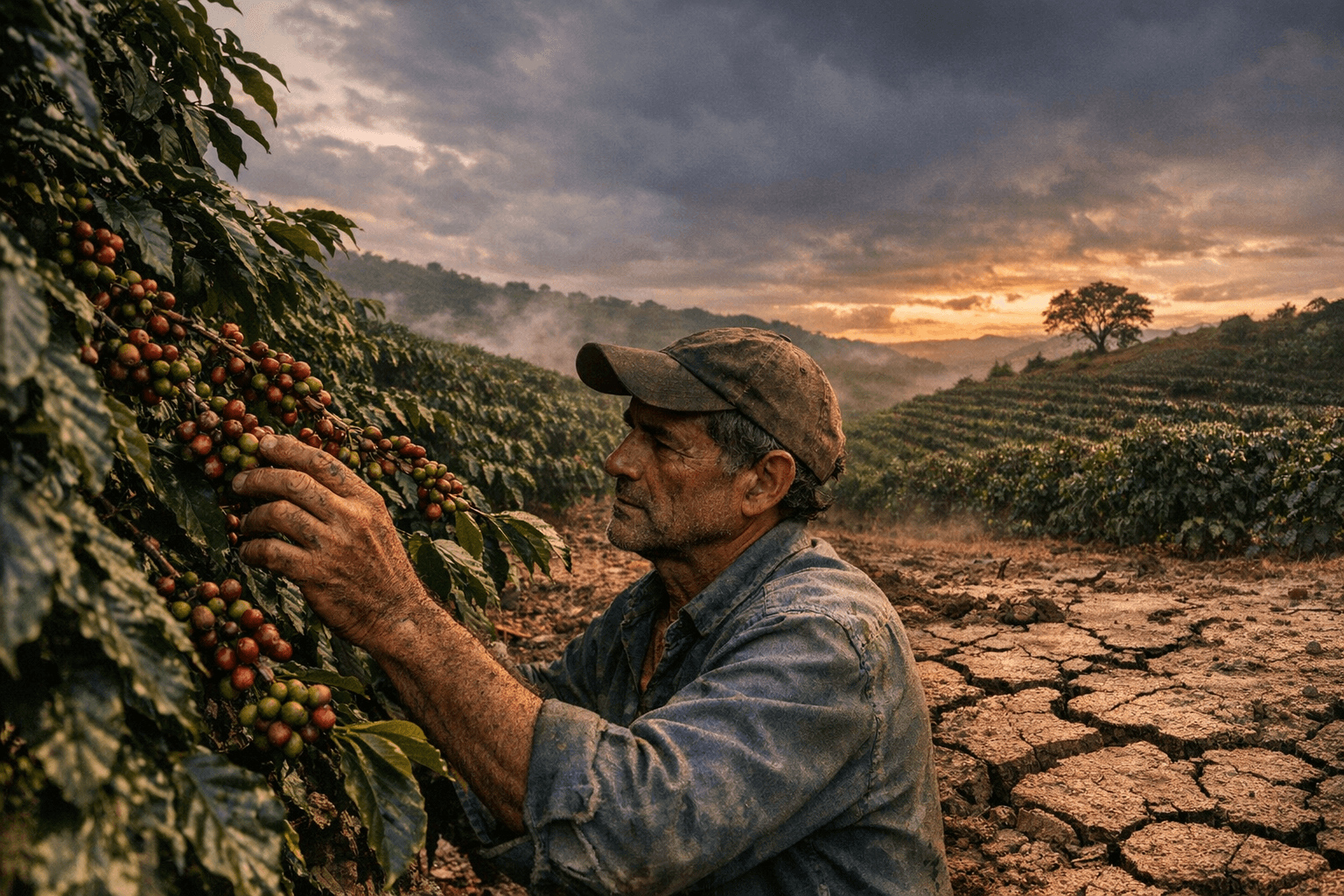
At the same time, outlooks for Brazil's 2025–26 arabica crop were revised downward after an erratic stretch of weather. Reporting based on DTN and USDA information indicated that arabica expectations were cut and that overall Brazil coffee production is projected to be a few percent lower year-over-year. A smaller crop from Brazil, the world’s largest coffee producer, can alter the balance between available green beans and demand, increasing the importance of inventory planning for roasters, importers, and wholesale buyers.
ICE coffee futures posted mixed movements as traders reacted to the interplay of weather forecasts and inventory dynamics. Price action remains sensitive to short-term weather signals in key producing regions and to monthly stock reports that influence perceived supply tightness. For buyers and sellers who manage exposure through futures, the current environment calls for closer monitoring of contracts, delivery months, and storage levels to avoid unexpected cost swings.
Practical steps for coffee businesses emerge clearly from these developments. Monitor ICE futures daily if you hedge, or at least weekly if you rely on spot markets. Reassess green-bean inventories and stagger purchases to avoid concentrated exposure to a single harvest. Consider diversifying origin lists beyond Brazil for some lot allocations to reduce quality and quantity risk. For retailers in Los Angeles and similar markets, visit Mixue locations to observe product mix and price positioning, then adjust offerings or promotions to protect regulars and capture foot traffic.
Taken together, the U.S. retail expansion and the shifting supply outlook in Brazil underline two linked realities: retail competition can change consumer flows at the street level, while origin-side developments can reshape costs upstream. Stay flexible on sourcing and marketing to manage both sides of the business through the coming season.
Sources:
Know something we missed? Have a correction or additional information?
Submit a Tip