Nationwide Protests Erupt After Federal Officer Shootings in Minneapolis, Portland
Demonstrations spread across multiple U.S. cities after two separate federal officer-involved shootings in Minneapolis and Portland, fueling demands for transparency and renewed scrutiny of federal enforcement. The clashes underscore deepening local-federal tensions, raise public health and safety concerns for affected communities, and intensify calls for policy changes around immigration enforcement and officer accountability.
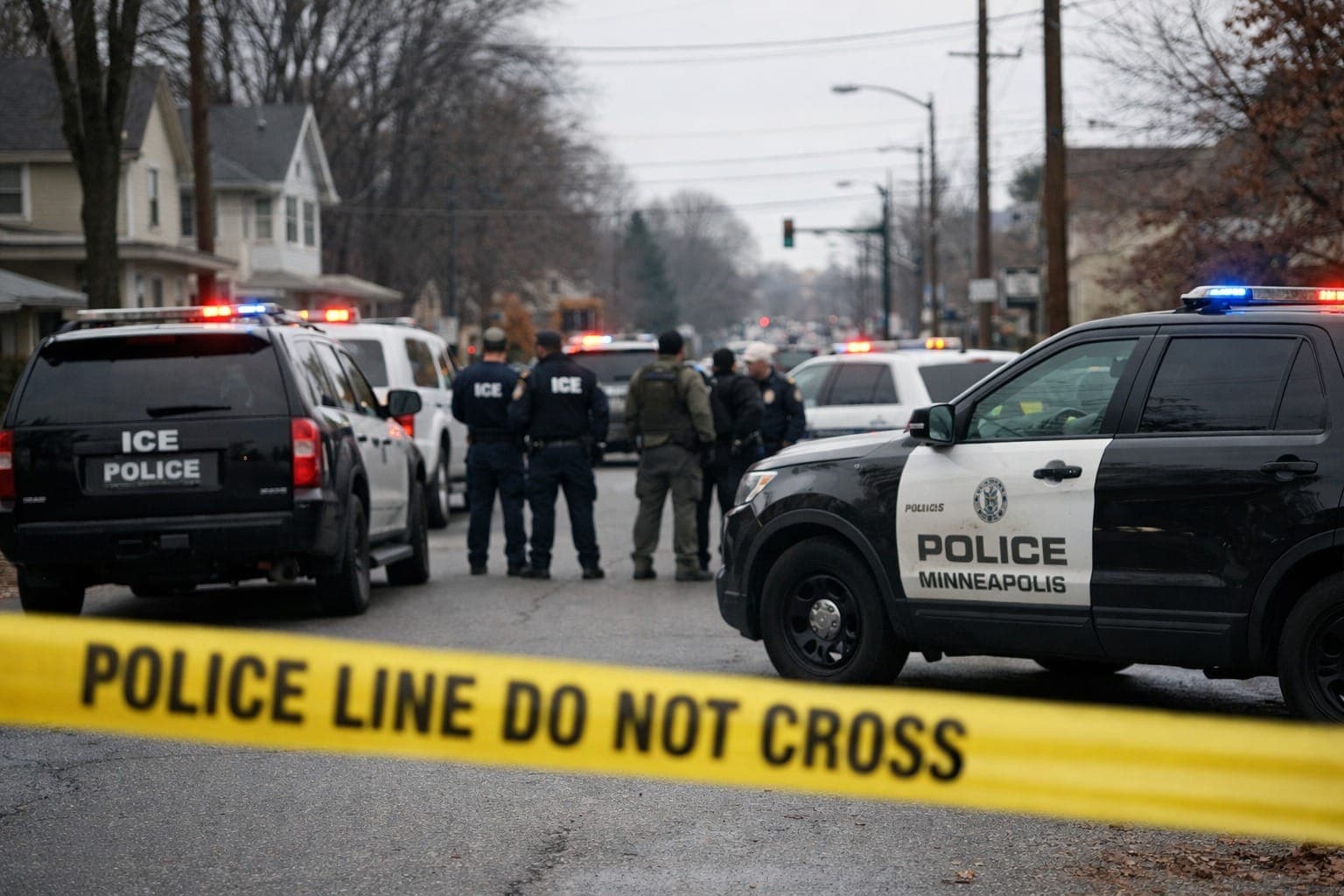
Nationwide demonstrations intensified today after two successive federal officer-involved shootings in Minneapolis and Portland prompted outrage, vigils, and confrontations outside federal facilities. The incidents, which left one person dead in Minneapolis and two wounded in Portland, have reignited long-standing disputes over federal enforcement tactics, transparency in investigations, and the safety of immigrant communities.
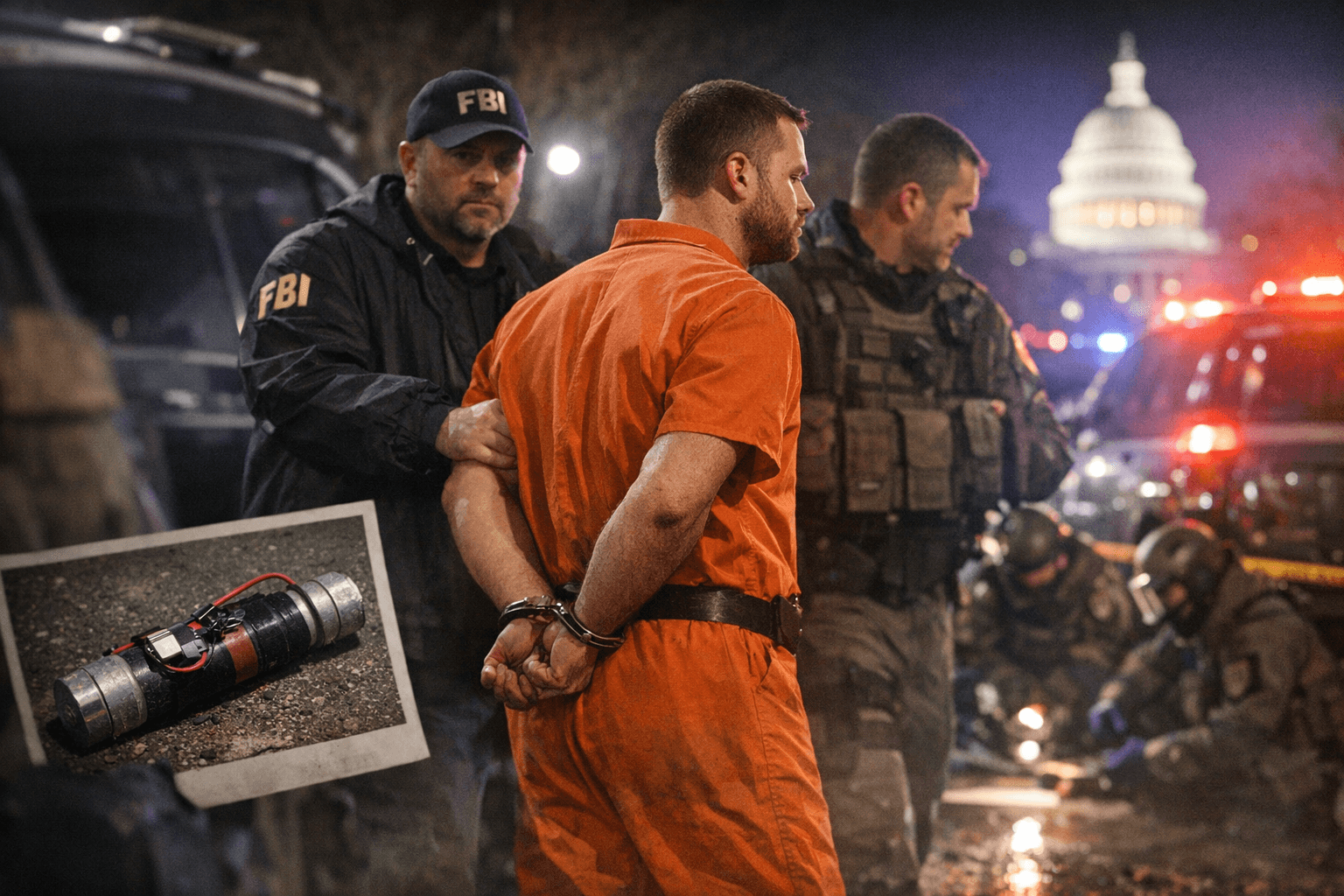
In south Minneapolis, a 37-year-old woman identified in reporting as Renee Nicole Good was killed during an immigration enforcement operation conducted by federal officers. Local neighbors described Good and her partner as quiet homebodies who lived with a young son. Federal authorities characterized the incident as involving an assailant who attempted to run officers over and framed the action as a threat to federal personnel. Local elected officials who reviewed video footage have disputed the federal account and criticized the response, saying the shooting did not appear to be an act of self-defense. State and federal investigators, with the FBI taking a lead role in portions of the inquiry, are conducting parallel probes; the name of the ICE officer involved has not been released.
In Portland, a Border Patrol agent shot two people in the Hazelwood neighborhood, wounding a man in the arm and a woman in the chest. Both victims were hospitalized. Department of Homeland Security public statements asserted the two people shot were members of the Tren de Aragua gang. Local leaders in Portland have demanded a pause in federal enforcement operations while investigators review the incident, and police detained demonstrators outside the ICE facility as crowds gathered.
Protests spread beyond the two cities to Los Angeles, Oxnard, Pershing Square and Mariachi Plaza, New York City outside One World Trade Center during a visit by the Homeland Security secretary, and other urban centers. Demonstrations ranged from candlelight vigils and organized rallies to more confrontational actions in which protesters attempted to block federal vehicles and clashed with law enforcement. Some organizers used symbolic tactics to mock federal characterizations of protesters, while security and law enforcement officials voiced concern that coordinated national actions could escalate into further violence.
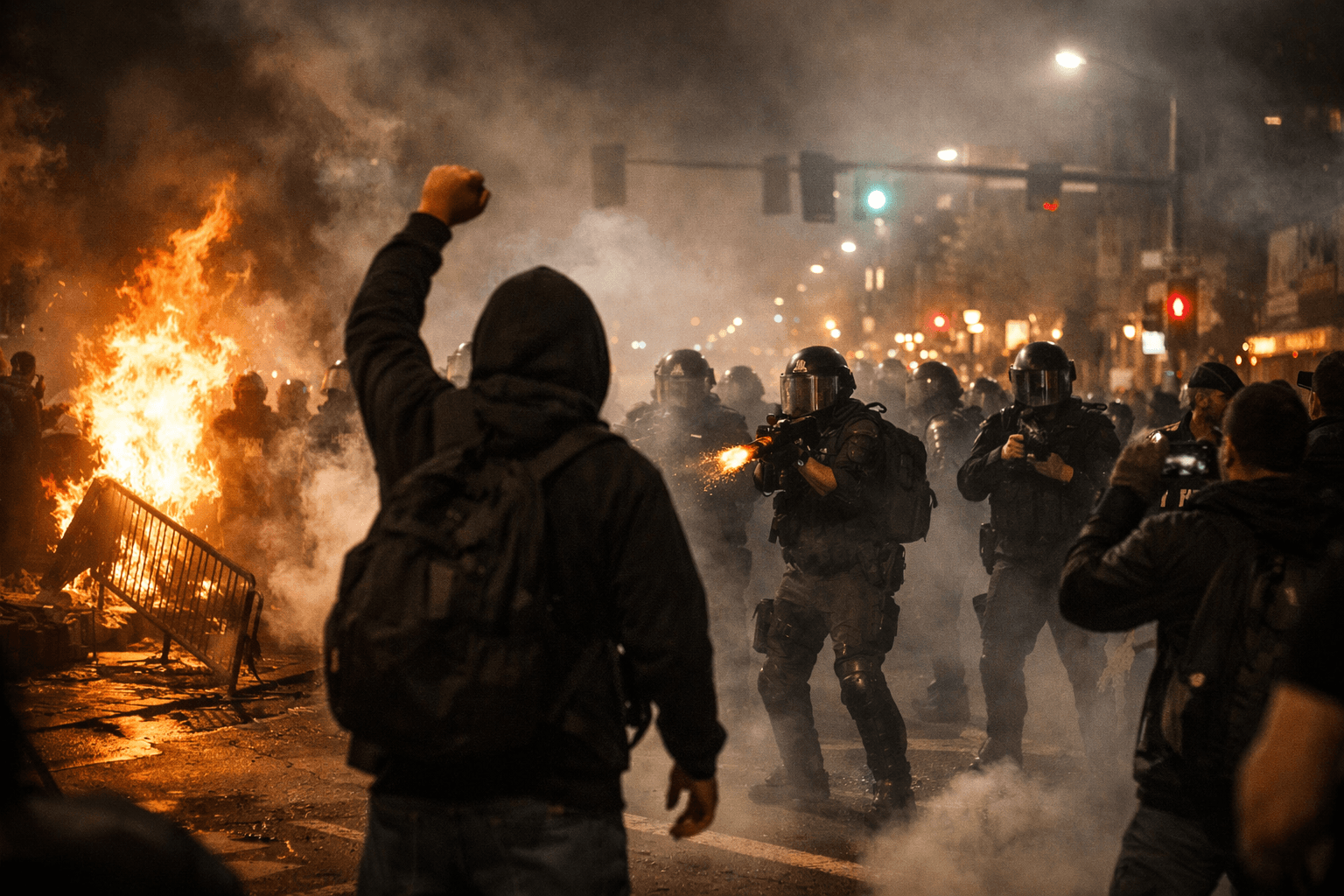
The events have immediate public health and community impacts. Hospitals and emergency medical services treated the wounded in Portland, and neighborhoods where enforcement operations occurred reported heightened fear and trauma, particularly among immigrant families. Community leaders warned that aggressive federal tactics can deter residents from seeking medical care or calling for emergency assistance, compounding health inequities. Mental health advocates urged rapid deployment of trauma-informed supports, language-accessible outreach, and coordination between hospitals and community clinics to address acute needs.
Politically, the shootings have sharpened debate over oversight and policy. Mayors and state officials called for transparency, suspension of certain federal operations pending investigation, and the release of officer identities and body-camera footage. Advocates pressed for independent civilian review and legislative hearings to examine federal enforcement methods and their disproportionate effects on marginalized communities.
Key questions remain unresolved: exact circumstances leading to the Minneapolis shooting, the identities and conditions of the Portland victims beyond public assertions, and the findings that will emerge from ongoing state and federal investigations. With protests continuing tonight, local leaders, health agencies, and federal officials face mounting pressure to provide answers, mitigate harm to vulnerable populations, and chart policy responses that address both public safety and community trust.
Know something we missed? Have a correction or additional information?
Submit a Tip