Newsom proposes $200 million state EV rebate to offset lost federal credits
Governor Gavin Newsom has proposed $200 million in California funding to create a new electric vehicle rebate program intended to partially backfill federal tax incentives that expired in 2024. The move seeks to blunt a downturn in EV purchases, but key program design questions and budget approvals remain unsettled and could shape the near-term market for zero-emission vehicles.
Governor Gavin Newsom’s 2026–2027 budget package included a $200 million line item on Jan. 9, 2026 to establish a new light-duty zero-emission vehicle incentive and rebate program aimed at offsetting the expiration of federal EV tax credits. The federal program, which provided up to $7,500 for new EV purchases and $4,000 for used EVs, expired on Sept. 30, 2024. California officials framed the state proposal as a targeted response to a sharp decline in EV sales in late 2024 after the federal incentives ended.
The proposal appears in budget materials for the fiscal year beginning July 1, 2026 and will require legislative approval during spring budget negotiations. The administration said the money would be drawn from state climate-related funds, including cap-and-trade revenues and an air pollution regulation fund. Department of Finance officials described the plan as a work in progress intended to balance fiscal discipline with targeted spending.
Agency details remain sparse. The California Air Resources Board said it was "not yet clear" how much would be offered per vehicle, and administration spokespeople indicated finer program mechanics are still being worked out. It is likewise unresolved whether rebates would be point-of-sale discounts applied to the sticker price as "on the hood" reductions, or whether they would be post-purchase reimbursements. Eligibility rules, income limits, vehicle price caps, the number of vehicles to be supported, and whether the appropriation would fund a single year or a multiyear program have not been finalized.
At $200 million, the proposed pool is modest relative to past state and federal supports. California’s prior Clean Vehicle Rebate Program, which ended in 2023, spent about $1.49 billion over roughly a decade to subsidize 586,000 vehicles, an average subsidy of roughly $2,544 per vehicle. If California were to match the full federal new-vehicle credit of $7,500, $200 million would cover roughly 26,700 vehicles; if the program resembled the prior average rebate, the same funding could support roughly 78,600 vehicles.
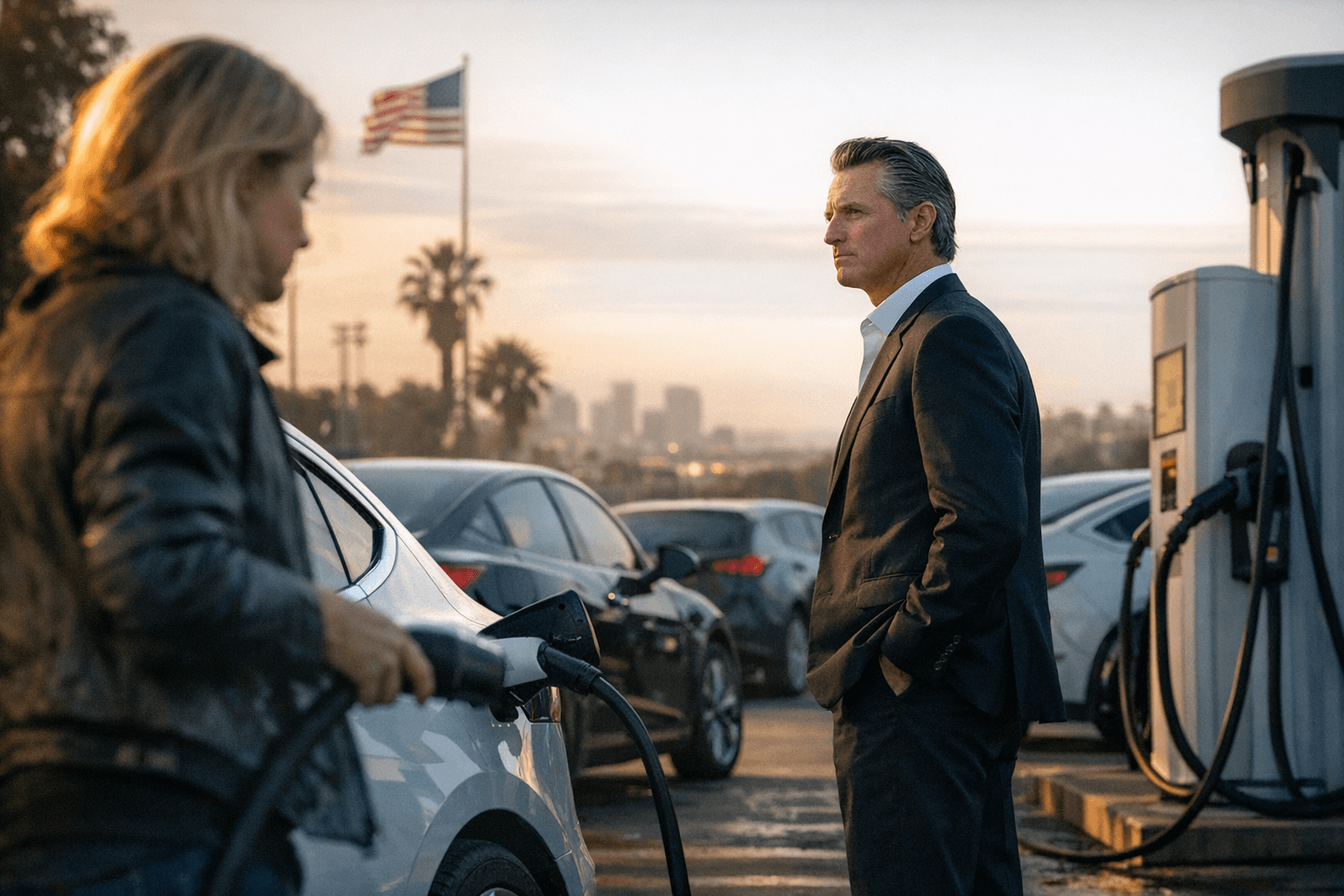
The difference in scale matters for markets. California is by far the largest U.S. EV market, and even a modest state rebate can influence dealership pricing, consumer demand elasticities, and automakers’ sales strategies. Automakers have publicly warned that the loss of federal incentives depressed demand in the final quarter of 2024, and state-level incentives could help stabilize order flow and inventory management, particularly for plug-in hybrid and battery electric models priced near mainstream thresholds.
Using cap-and-trade and air pollution funds also carries tradeoffs. Those revenues are subject to volatility and competing climate priorities, from transit and charging infrastructure to community air quality projects. Lawmakers weighing the budget must decide how much climate revenue to reallocate toward vehicle purchase incentives versus other decarbonization investments.
Legislative negotiations begin in January and stretch toward mid-June and July budget deadlines. CARB and the governor’s office will need to finalize program rules before funding can be appropriated and implemented. The outcome will determine how consequential the $200 million is for California’s EV transition and for automakers navigating a market that lost major federal support in 2024.
Sources:
Know something we missed? Have a correction or additional information?
Submit a Tip