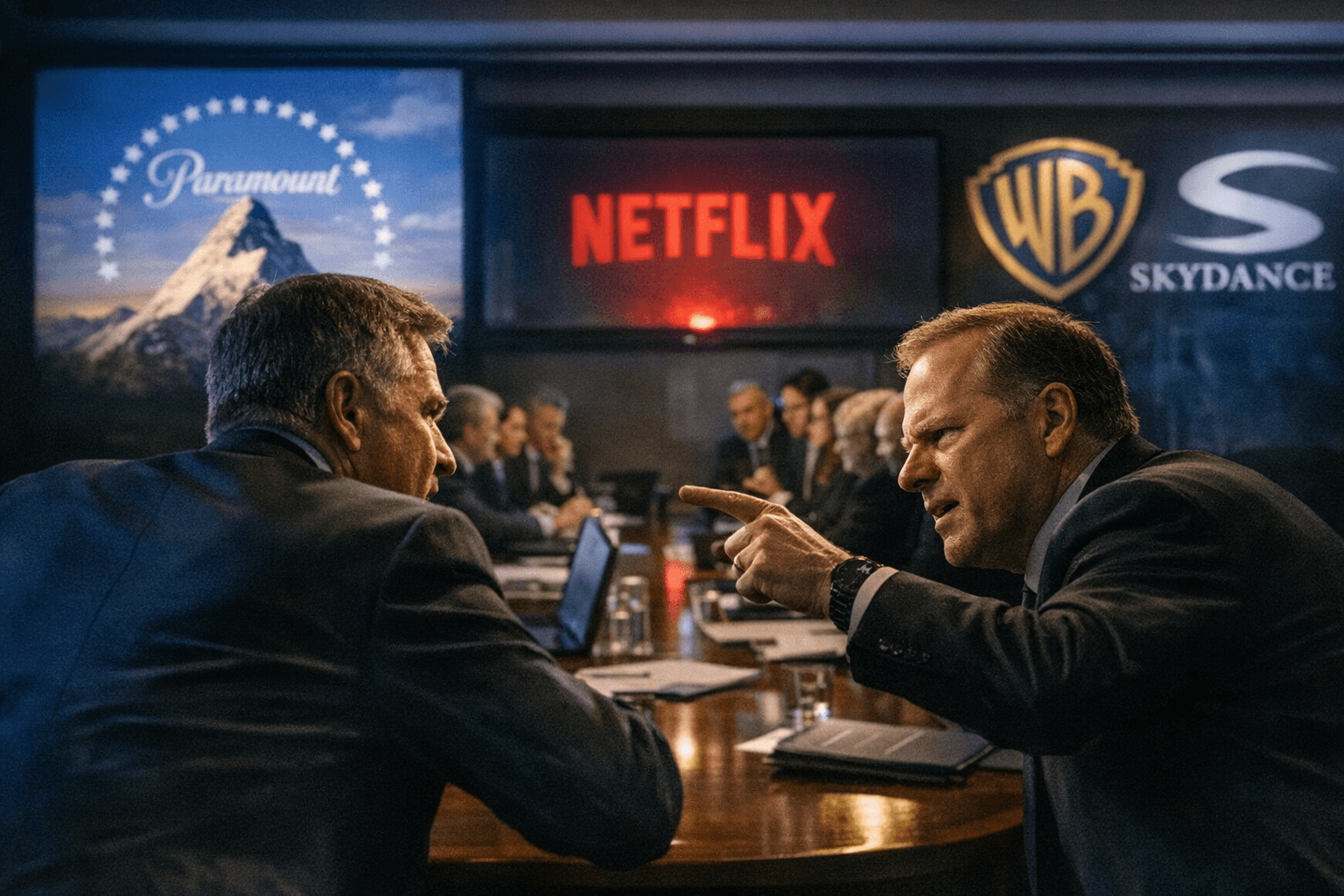
Netflix prepares all-cash offer for Warner Bros Discovery studios and streaming
Netflix is moving to an all-cash bid for Warner Bros Discovery’s studios and streaming units to accelerate a sale amid a rival hostile offer and growing political scrutiny.
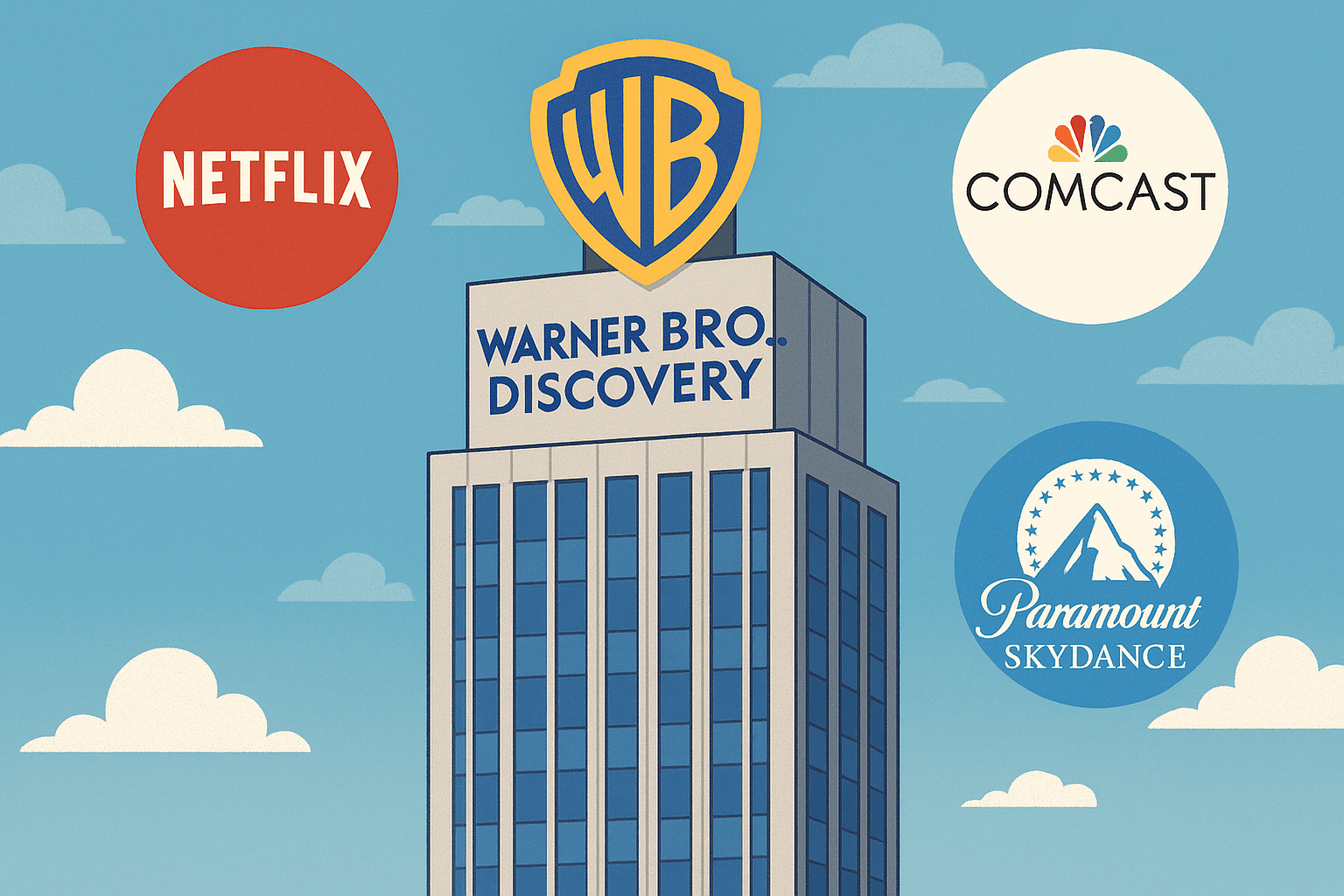
Netflix is preparing to convert its previously announced cash-and-stock proposal for Warner Bros Discovery’s studios and streaming businesses into a 100 percent cash offer, people familiar with the matter say, a shift intended to speed a transaction facing intense competition and political scrutiny. The change would replace the stock component of the original proposal with cash while preserving the deal’s imperative: control of some of Hollywood’s most valuable franchises and library assets.
Under Netflix’s original terms Warner Bros Discovery shareholders were to receive $23.25 in cash plus $4.50 in Netflix common stock per share at closing, a headline price of $27.75 that implied an enterprise value near $82.7 billion. The initial agreement included a contingency that adjusted the stock element if Netflix shares traded below $97.91. The potential all-cash revision comes as Netflix shares have declined since the takeover pursuit began, trading as low as $89.07 this week, a factor that raised investor concern about the stock component’s reliability.
The proposed structural shift comes amid an aggressive rival bid from Paramount Skydance, which has offered $30 per share in cash and mounted a legal and shareholder challenge. Paramount’s campaign includes a lawsuit seeking additional corporate information and plans for a proxy contest to nominate directors who would support its offer, moves that underscore how contested the auction for Warner Bros Discovery’s prized content has become.
Financial and regulatory stakes are large. The signed agreement carried substantial termination provisions: Netflix would be liable for a $5.8 billion breakup fee if regulatory action blocks the deal, while Warner Bros Discovery would owe Netflix $2.8 billion should it abandon the agreement. Whether Netflix will maintain the same per-share valuation when converting the stock component to cash remains an open question that could reshape the rival bids and shareholder calculus.

The assets on the table are culturally vast. The package includes studios and streaming operations that house franchises from Harry Potter and Game of Thrones to Friends and the DC Comics universe, plus a trove of classic films. Ownership consolidation of such intellectual property would further concentrate control of global cultural touchstones in the hands of a handful of streaming giants, intensifying debates among lawmakers and consumer advocates over competition, price-setting power and choices available to viewers.
For the industry the potential all-cash pivot signals mounting pressure to simplify transactions that regulators and skeptical politicians can scrutinize for months. Buyers are balancing financing realities against the strategic imperative of scale in a streaming landscape where deep libraries drive subscriber acquisition and retention. An all-cash bid could make closing simpler from the seller’s perspective but may also raise questions about debt funding, shareholder returns and how combined corporate cultures will manage creative pipelines.
Investors and policymakers will be watching closely as Netflix and Warner Bros Discovery boards deliberate, Paramount pursues its legal and proxy strategy, and regulators assess whether further consolidation diminishes competition or harms consumers. The outcome will reverberate through Hollywood, streaming economics and the broader cultural marketplace where ownership of stories increasingly equates to market power.
Know something we missed? Have a correction or additional information?
Submit a Tip